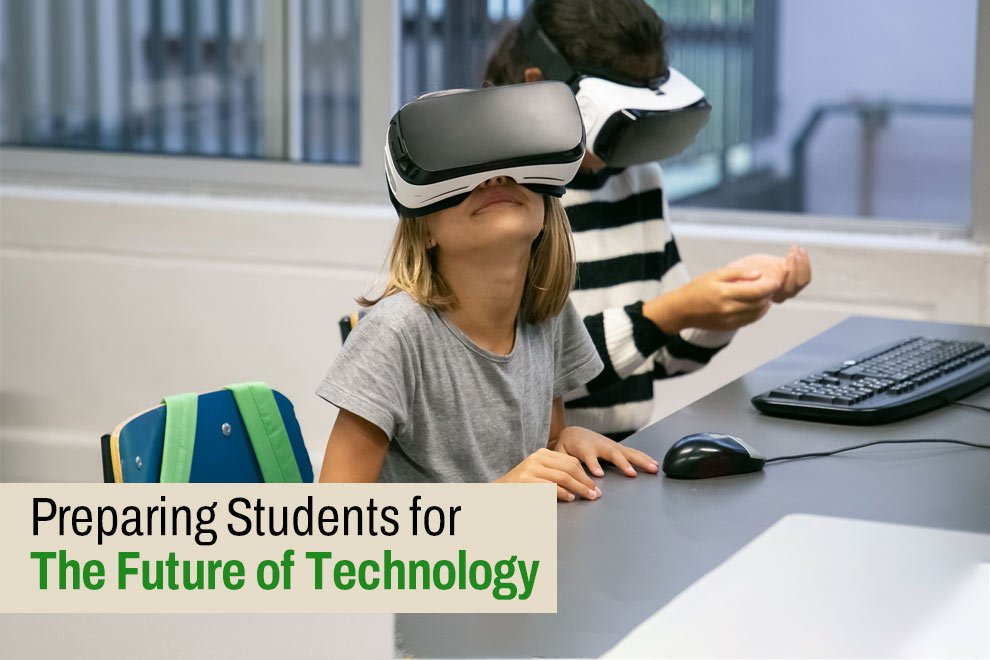
Many parents and teachers worry that students are not ready for new technology. In fact, over half of future jobs will need strong digital skills. This post will show you simple ways to help students learn digital literacy and tech skills at school and at home.
Stay here to discover how easy it can be!
Essential Digital Skills for Future-Ready Students
Students need strong digital skills to keep up with new technology. These skills help them solve problems and think in creative ways.
Coding and programming
Coding helps students build digital literacy and problem-solving skills. Learning to code teaches logic, patience, and creative thinking. In 2023, more than 250 million students worldwide used online platforms like Scratch or Code.org to practice coding basics.
These tools make learning fun with simple projects and games.
Many schools in the United States now include programming lessons in their STEM education curriculums for grades as early as first grade. Kids can start with block-based coding before moving to languages like Python or JavaScript by middle school.
Coding skills help students prepare for tech-driven jobs of the future and foster adaptability across different subjects.
Data literacy and analysis
Data literacy is vital for students today. It means understanding and using data effectively. Students need to know how to read charts, graphs, and statistics. They should also learn how to analyze information and draw conclusions from it. This skill helps them make informed decisions in their future careers.
Being able to work with data opens many doors. Students who are data literate can solve problems more efficiently. They can understand trends and patterns that affect their lives and businesses around them.
Schools should teach these skills so that all students become tech-savvy individuals ready for the workforce. Data literacy equips students with critical thinking skills essential for success.
Next, we will explore cybersecurity awareness as another key skill for future-ready students.
Cybersecurity awareness
Cybersecurity awareness is crucial for students today. They need to understand how to protect their online information. This includes passwords, personal data, and accounts. Cyber threats are everywhere. Students must learn to spot scams and phishing attempts.
Teaching cybersecurity helps build digital literacy skills. It empowers students to make smart choices online. Schools can offer lessons on safe internet use and privacy protection.
Engaging activities can reinforce these concepts in a fun way. These practices prepare students for future jobs where tech skills matter most, including coding and programming knowledge.
Benefits of Integrating Technology in Education
Technology makes learning more fun and engaging. It helps students think better, work together, and adapt to new ideas.
Enhancing problem-solving and critical thinking
Problem-solving and critical thinking are key skills for students today. Teaching these skills helps prepare them for future challenges. Students learn to analyze problems clearly. They find solutions by breaking issues down into smaller parts.
Using technology in the classroom boosts these skills. For example, coding encourages logical thinking. It requires students to approach tasks step by step. Project-based learning also plays a big role; it allows students to tackle real-life situations together.
This builds their ability to think critically and work as a team while using technology effectively.
Encouraging collaboration and teamwork
Collaboration and teamwork are vital skills for students. In the future, many jobs will require people to work together. Schools can help by creating group projects. These projects allow students to share ideas and solve problems as a team. Working together helps build communication skills too.
Students get hands-on experience from collaboration. They learn to compromise and make decisions as a group. This prepares them for real-world challenges where teamwork is essential. With effective strategies, educators can foster an environment that values cooperation among peers while enhancing creative thinking abilities in their students.
Fostering adaptability and innovation
Students need to be ready for change. Technology moves fast, and they must keep up. Schools can help by teaching students to adapt. This means learning how to solve problems in new ways. They should think creatively about challenges.
Hands-on experience is key. Students who work on real projects learn better. They find solutions and try out their ideas. This process builds confidence and encourages new thoughts. By fostering adaptability, education prepares them for future jobs that don’t even exist yet.
Effective Strategies for Technology-Driven Learning
Effective strategies for technology-driven learning include hands-on projects that relate to real-life situations. These methods help students gain practical experience and prepare them for the future.
Want to know more? Keep reading!
Project-based learning for real-world applications
Project-based learning helps students connect with real-life problems. They can see how their skills apply in the world.
- Students work on real projects that solve actual issues. This makes learning more relevant and exciting.
- Projects can range from environmental issues to community needs. Students choose topics that interest them and impact their lives.In addition to coding, integrating a drone curriculum can enhance students’ understanding of technology in a hands-on, engaging way.
- Teams encourage collaboration among peers. Working together builds teamwork skills essential for the future workplace.
- Adults from the community can mentor students. These mentors provide guidance and share their experience in various fields.
- Presenting projects boosts communication skills. Students learn to express ideas clearly and confidently, which is vital for success.
- These hands-on experiences foster creative thinking. Students think outside the box to find solutions, promoting innovation.
- Real-world applications teach problem-solving skills well. Students face challenges that prepare them for future obstacles.
- Digital tools support project work easily; they help with research, design, and presentation elements.
- Assessments focus on both group effort and individual growth; this balance helps measure learning accurately.
Incorporating entrepreneurial and career-focused courses
Building on project-based learning, incorporating entrepreneurial and career-focused courses is vital for student success. These courses help students gain skills for their future.
- Courses teach valuable business concepts. Students learn how to create real products or services. This prepares them for the workforce.
- Students discover basic financial literacy. Understanding budgets and money management is key to future independence.
- Hands-on experiences allow students to run mock businesses. They face challenges that entrepreneurs encounter in real life.
- Learning teamwork is a major focus of these classes. Students collaborate on projects, which builds essential communication skills.
- Programs connect students with local businesses. Guest speakers share their careers and offer practical insights.
- Career exploration helps students identify interests early on. It opens paths in various fields like tech, health care, and arts.
- Workshops often cover job skills like resume writing and interviewing techniques. These are critical tools for entering the job market.
- Online platforms can provide extra resources and connections to mentors. This expands learning beyond the classroom.
- Incorporating coding into business courses can enhance digital fluency. Knowing how to code gives students an edge in many jobs today.
These strategies make education relevant and engaging, ensuring students are ready for tomorrow’s careers in technology and beyond.
Leveraging online learning platforms for skill development
Online learning platforms are great tools for skill development. They help students become tech-savvy and ready for future jobs.
- Many platforms offer coding courses that teach the basics of programming. These skills are vital in today’s job market.
- Students can access data literacy lessons on various sites. Understanding data helps them analyze information and make smart decisions.
- Cybersecurity modules provide important safety skills for online activities. Being aware of digital threats is crucial in our technology-driven world.
- Platforms encourage collaboration through interactive projects. Students can work together, even if they are miles apart.
- Online courses let students learn at their own pace. This adaptability allows them to balance other responsibilities and interests.
- Gamified learning makes serious subjects fun and engaging. Competition can motivate students to develop perseverance and problem-solving skills.
- Many resources focus on real-world applications of technology. This hands-on experience prepares students for future careers in a fast-paced environment.
In education, the role of educators and communities is key in technology preparation.
Role of Educators and Communities in Technology Preparation
Educators play a key role in helping students learn technology. Communities can support this by getting involved and encouraging families to join the effort.
Professional development for teachers
Teachers need to stay updated on tech trends. Their growth improves student learning.
- Workshops offer hands-on training in digital tools. They help teachers learn new tech skills quickly and effectively.
- Online courses provide flexible learning options. Teachers can study at their own pace while balancing their schedules.
- Peer networking events foster collaboration among educators. Sharing ideas boosts creativity and can lead to new teaching methods.
- Coaching sessions give personalized support to teachers. Mentors help them integrate technology into their classrooms smoothly.
- Conferences feature experts who share innovative practices in education technology. Attending these events inspires teachers to try new approaches.
- Feedback sessions allow teachers to discuss challenges they face with tech integration. This open dialogue leads to better practices and solutions.
- Access to resources is essential for ongoing development. Tools such as articles, videos, and online communities keep educators informed and engaged.
Professional development boosts teacher confidence in using technology effectively in the classroom, promoting a better learning environment for students ready for the future of technology.
Engaging parents and communities in the learning process
Schools and families should work together. Parents and communities can make a big impact on students’ technology skills.
- Host workshops for parents to learn about digital tools. These sessions help parents understand how to support their children’s learning at home.
- Create volunteering opportunities for community members in schools. This allows them to share knowledge and skills with students.
- Share resources with families about online safety. Providing tips helps keep children safe while using technology.
- Involve local businesses in school projects. Business partnerships can give students real-world technology experiences.
- Organize community events focused on technology education. Events like tech fairs can spark interest in digital literacy among all ages.
- Provide regular updates to parents through newsletters or social media. Keeping everyone informed fosters a strong connection between home and school.
- Encourage feedback from families on technology programs. Listening to their thoughts helps improve tech education efforts.
- Build a parent advisory board for technology initiatives. This group can guide schools on the best ways to engage families in learning.
- Use online platforms for collaboration between schools and homes. Tools like video calls or discussion boards enhance communication about student progress in digital skills.
Conclusion
Preparing students for the future of technology is key. Digital skills open doors to many opportunities. Teachers and communities must work together in this effort. By integrating tech into learning, we prepare students to tackle real-world challenges.
These steps will help young people thrive in a tech-driven world.
Also Read: How Context-Aware Technology Is Redefining App Performance