If you’re a parent in a metro today, you’ve probably noticed that preschool choices are being judged differently. Families ask about teacher stability, safety routines, play-based learning, and support for speech, social skills, and emotional regulation. In Hyderabad and Chennai, many centres are moving from flashy add-ons to solid early-years practice that shows up in the classroom every day.
What “quality” looks like at age two to five
In early education, quality is not about pushing reading worksheets early. It’s about building foundations that make later learning easier: language, curiosity, self-control, fine and gross motor skills, and the ability to work with others. Strong preschools in both cities are leaning into these basics and paying attention to how young children actually learn.
You can usually spot quality through:
- teachers who are warm, patient, and attentive
- routines that feel calm and predictable, not rushed
- play materials that invite exploration, not just decoration
- communication that helps parents understand progress without pressure
Hyderabad: structure first, then smart innovation
Hyderabad’s preschool ecosystem is shaped by a fast-paced workforce and parents who value reliability. The most impressive preschools in Hyderabad are raising standards by tightening the core classroom experience and then adding thoughtful upgrades.
Better teaching through coaching
Instead of relying only on annual workshops, several centres use ongoing coaching. A mentor observes lessons, gives specific feedback, and helps teachers plan small improvements. Over time, this reduces “activity for the sake of activity” and increases purposeful interaction – more conversation, more guided play.
Play with clear learning goals
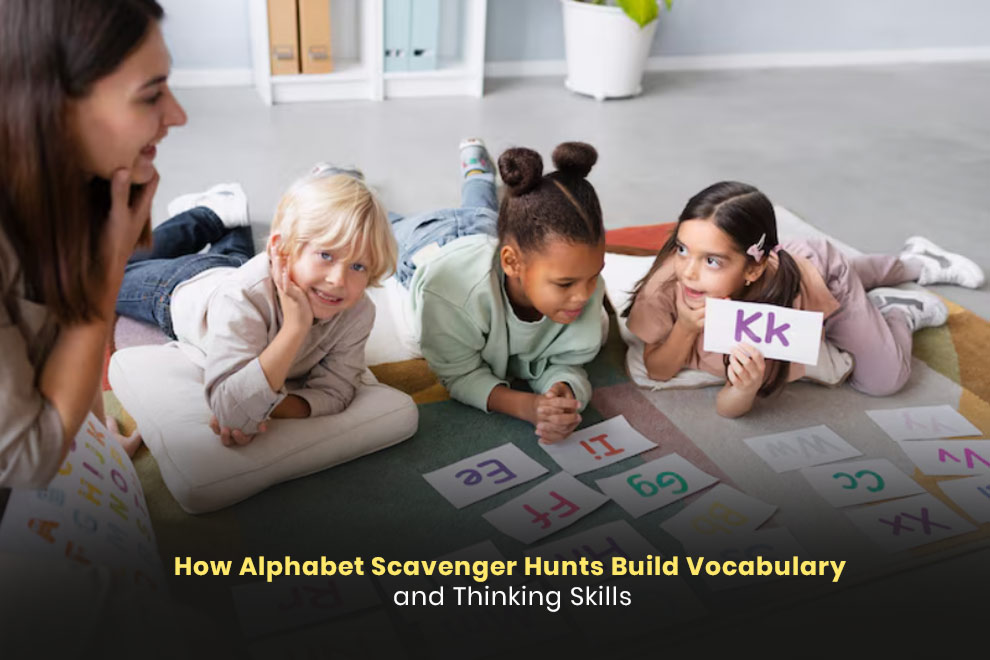
You’ll still see sensory trays, role-play corners, and block areas, but they are organised around skills. Blocks support balance and early maths language (bigger, smaller, taller). Pretend play supports turn-taking and vocabulary. Art time builds grip strength and patience, not just wall displays.
Family partnership that feels manageable
Hyderabad schools are improving at how they involve parents. The best updates explain the “why” in plain language: what your child tried, what that practice strengthens, and one simple way to follow it up at home. It feels supportive, not like homework.
Chennai: strong pedagogy and language-rich days
Chennai brings a steady, learning-first culture to early education. Many preschools here are modern in method, but grounded in consistency. The result is often a classroom atmosphere that feels calm and focused – ideal for young children who thrive on routine.
Daily language building
Top centres treat language as the backbone of learning. You’ll notice storytelling, circle-time discussion, rhymes, and show-and-tell happening every day. Teachers model full sentences and encourage children to explain ideas, not just answer yes or no. This builds confidence that shows up later in reading and classroom participation.
Thoughtful bilingual exposure
Instead of forcing a sudden switch to English, good programmes introduce it gradually while respecting Tamil and other home languages. Children feel understood, so they speak more. That extra talk time is where vocabulary and thinking grow.
Gentle discipline through predictable transitions
From arrival to clean-up to snack time, children are guided through simple steps. Clear expectations reduce conflict and help kids learn self-regulation. Teachers often use songs, visual cues, and short instructions rather than scolding.
Shared improvements across both cities
When you compare strong centres in Hyderabad and Chennai, the most meaningful gains look very similar.
Teachers are treated as specialists
Early years educators are being supported as professionals, not babysitters. Schools are investing in better onboarding, lesson planning support, and peer learning. Retention improves when teachers feel respected, and children benefit from familiar faces.
Inclusion is planned into the day
More classrooms now plan for different learning needs. Small-group activities, sensory-friendly corners, and visual schedules help children who struggle with noise, attention, or transitions. Many centres also keep referral links with speech or occupational therapists, so parents can seek help early.
Safety is a system, not a slogan
CCTV matters, but quality centres also focus on the basics:
- controlled entry and exit procedures
- background checks and clear staff roles
- child-friendly toilets, handwashing routines, and clean drinking water
- first-aid readiness and rehearsed emergency drills
Assessment is based on observation
Instead of tests, teachers track progress through daily moments: how a child joins play, follows two-step directions, holds a pencil, or narrates a story. Parents receive specific notes, not rankings.
How parents can choose a high-quality preschool
A brochure can look perfect, so rely on what you see during a visit. Watch the children. If they look busy and curious, that’s a good sign. Listen to the teacher’s tone. If it’s respectful and steady, children usually feel safe.
Also, compare what you value across cities. A quality preschool in Chennai might have excellent digital communication and transport systems, while Hyderabad may offer easier access to specialists, and Chennai may shine in language and routine. The “best” choice is the one that matches your child’s temperament and your family’s daily rhythm.
The bigger story: rising expectations
Quality is improving because parents and schools are raising expectations together. And it is reshaping what ‘good preschool’ means nationwide. Families want play-based learning that still builds real skills. Schools are responding with better-trained teachers, safer campuses, and clearer learning design. For children in Hyderabad and Chennai, that means stronger foundations and a happier start to school life.