Experiencing an ACL tear can be an intimidating and painful journey, impacting your physical abilities and mental well-being. This common injury, affecting the anterior cruciate ligament in the knee, often requires dedicated care and rehabilitation from graduates of physical therapy programs to regain strength, stability, and function.
Discover what an ACL tear entails and the essential steps involved in the rehabilitation process through physical therapy in this guide.
What Is an ACL Tear?
The anterior cruciate ligament (ACL) is one of the major ligaments in the knee, playing a crucial role in providing stability during movements such as pivoting, cutting, and jumping. An ACL tear occurs when this ligament is overstretched or torn, typically resulting from sudden stops or changes in direction, direct impact to the knee, or hyperextension of the joint.
This injury is prevalent among athletes participating in high-demand sports such as basketball, soccer, and skiing. When an ACL tear occurs, individuals often report a distinct popping sensation followed by swelling, pain, and instability in the knee.
First Steps: Initial Evaluation and Treatment
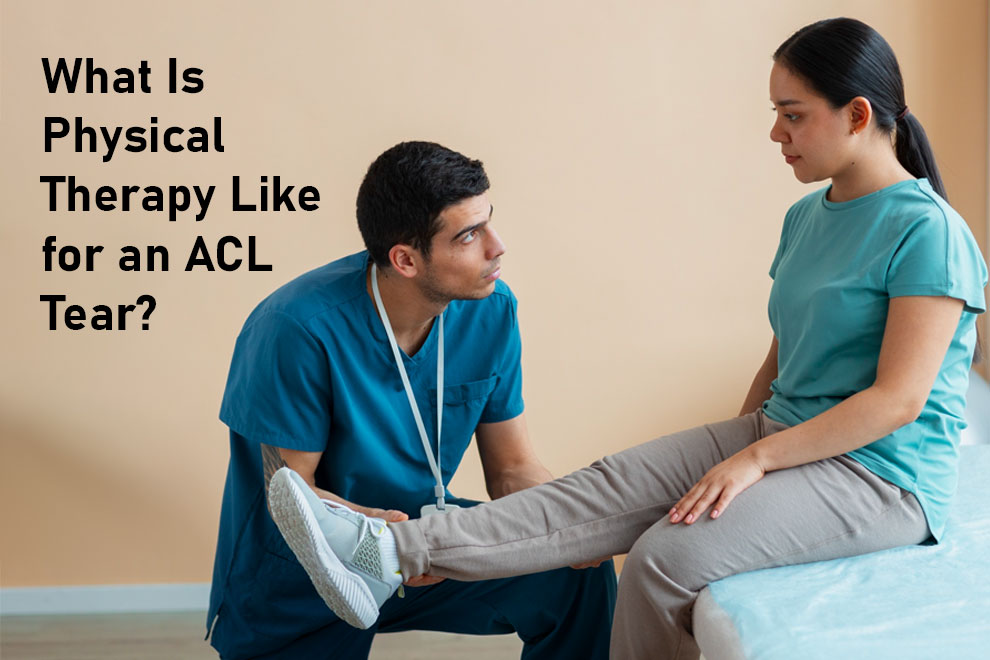
Upon commencing physical therapy for an ACL tear, the first crucial step involves an in-depth evaluation by a physical therapist. This evaluation aims to assess the initial injury, understand the patient’s medical history, and identify specific goals for the rehabilitation process.
Through a series of tests, discussions, and observations, the physical therapist develops a personalized treatment plan that addresses the individual’s unique challenges and requirements. Based on the initial evaluation, treatment modalities are initiated to manage pain, reduce inflammation, and begin the process of restoring mobility and function to the knee.
Strength and Stability: Building the Foundation
One of the primary focuses of physical therapy following an ACL tear is to rebuild strength and stability in the knee joint. Strengthening exercises play a vital role in enhancing the supportive structures around the knee, including the muscles in the quadriceps, hamstrings, and calves.
By targeting these muscle groups through targeted exercises, individuals can improve joint stability, reduce the risk of future injuries, and promote a faster recovery timeline. Physical therapists employ a progressive approach to strength training, gradually increasing the intensity and complexity of exercises as the patient’s condition improves.
These exercises aid in regaining lost strength and contribute to improved proprioception, balance, and coordination — a critical aspect in returning to daily activities and athletic pursuits after injury. Building a foundation of strength and stability through physical therapy is key to restoring functionality and confidence in the injured knee.
Flexibility and Range of Motion: Restoring Mobility
In the rehabilitation journey following an ACL tear, restoring flexibility and range of motion in the knee is crucial to regaining full functionality. Physical therapists focus on tailored stretching exercises and therapies to improve joint mobility and flexibility.
By gradually increasing the range of motion in the knee joint through these targeted interventions, individuals can enhance their ability to perform daily activities with greater ease and reduced discomfort. Consistent efforts in improving flexibility play a crucial role in facilitating a smooth recovery process and minimizing the risk of re-injury.
The Path to Normalcy: Functional Training and Return to Activity
As individuals progress in their physical therapy programs, the emphasis shifts towards functional training — a phase aimed at preparing them to return to their regular activities. Through a structured approach that simulates real-life movements and tasks, patients gradually build strength, balance, and coordination in the knee joint.
By incorporating functional exercises tailored to the individual’s specific needs and activity levels, physical therapists guide patients towards a seamless transition back to their desired level of activity. This stage is crucial for boosting confidence, restoring functional capabilities, and regaining independence in daily pursuits after injury.
Maintaining Progress: Long-Term Strategies
Beyond the intensive phase of physical therapy, adopting long-term strategies is key to sustaining progress and preventing future injuries. Physical therapists offer guidance on incorporating regular exercises, lifestyle modifications, and preventive measures to maintain joint health and strength over time.
By staying engaged with prescribed exercises, adhering to recommended activity levels, and seeking timely follow-ups as needed, individuals can safeguard their knee health and minimize the chances of re-injury. Long-term commitment to these strategies ensures continued improvement and a lasting impact on overall well-being.
Empowering Health Through Physical Therapy and Long-Term Wellness
In the journey towards recovery from an ACL tear, physical therapy guides individuals through a systematic and progressive approach to rehabilitation. From the initial stages of evaluation and treatment to the final phase of functional training and beyond, physical therapy programs play a pivotal role in restoring strength, flexibility, and function to the injured knee.
The collaborative efforts between patients and physical therapists pave the way for a successful recovery, enabling individuals to reclaim their mobility, confidence, and quality of life. Let the journey of physical therapy offer hope and empowerment, propelling individuals towards a future filled with restored mobility, renewed vitality, and lasting well-being.