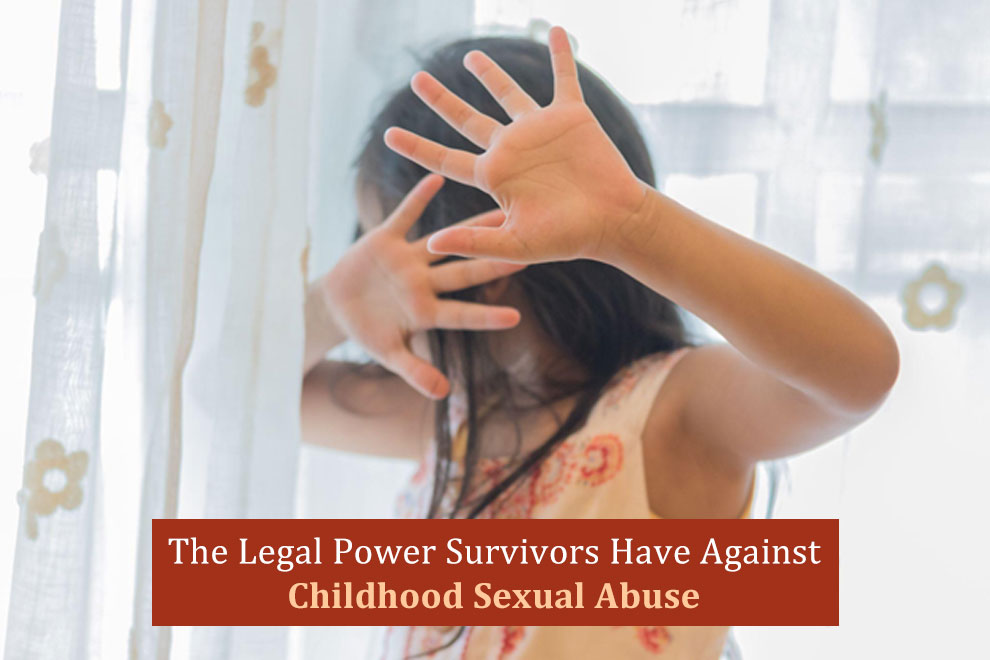
Childhood sexual abuse leaves marks that are often invisible but deeply lasting. Survivors may struggle with trust, self-esteem, and emotional well-being long after the abuse has ended. This type of abuse can happen in many settings—at home, in schools, within religious organizations, or other institutions where children are meant to be safe.
So, recognizing the patterns of abuse and its impact is the first step toward reclaiming control. The law offers survivors avenues to hold abusers and negligent institutions accountable.
Common Legal Challenges Survivors Face
Statutes of Limitations
Many survivors face time limits when filing claims. These statutes of limitations can prevent cases from moving forward if too much time has passed since the abuse occurred. Some states have started extending or removing these deadlines, understanding that trauma can delay reporting. Knowing your state’s rules is essential for anyone considering legal action.
Gathering Evidence Years Later
Abuse often goes unreported for years. Gathering evidence long after the incident can be difficult. Survivors may rely on old records, photographs, or witness accounts to support their claims. Expert testimony from medical or psychological professionals can also strengthen a case. Documenting memories and maintaining any proof of past complaints is key to building a strong claim.
Emotional Barriers and Privacy Concerns
Coming forward takes courage. Survivors often worry about privacy or fear public exposure. Legal processes have protections to maintain confidentiality, allowing survivors to present their cases without unnecessary exposure. Knowing these safeguards exist can help survivors feel more confident in pursuing justice.
The Role of a Child Sexual Abuse Lawyer
Legal Guidance for Survivors
A child sexual abuse attorney can provide essential guidance. They explain the legal options available, helping survivors understand the steps needed to pursue a claim. Having professional guidance ensures that survivors do not navigate this process alone and can focus on their well-being while legal matters are addressed.
Holding Institutions Accountable
Many abuse cases involve organizations that failed to protect children. A skilled lawyer can hold these institutions accountable by proving negligence or liability. This process often includes identifying policies or oversight failures that allowed abuse to occur. Legal action against negligent organizations can lead to systemic changes that protect other children in the future.
Maximizing Compensation and Support
Beyond holding abusers accountable, legal action can help survivors secure compensation for therapy, medical care, and long-term support. Settlements or trial awards can cover costs associated with mental health treatment, lost opportunities, and other life adjustments. Working with an attorney ensures that survivors receive fair evaluation and that their needs are addressed comprehensively.
Practical Steps Survivors Can Take
Taking the first steps toward legal action can feel overwhelming, but there are concrete measures survivors can follow:
● Document Personal Accounts: Write down detailed recollections of the abuse and keep them safe.
● Collect Records: Maintain any prior complaints, emails, or related documents.
● Seek Professional Support: Engage with medical, psychological, or counseling services for care and documentation.
● Contact a Lawyer: Consulting a child sexual abuse attorney early can clarify options, explain legal timelines, and help prepare a case.
These steps create a stronger foundation for pursuing justice while providing a support network for the survivor’s emotional and physical well-being.
How the Law Empowers Survivors
Legal action gives survivors a voice and a platform to seek accountability. Civil lawsuits allow for financial restitution and recognition of the harm suffered. By holding abusers and negligent institutions responsible, survivors not only reclaim control over their lives but also contribute to broader change. Lawsuits can prompt organizations to improve safety measures and prevent future abuse. Survivors are never powerless when they understand their rights and have the right legal support.
Why Legal Action Matters
Taking legal steps can bring clarity and closure. It reinforces that abuse is unacceptable and that survivors have the right to defend themselves. Survivors are able to recover some control over their narrative, ensure justice is pursued, and gain resources to rebuild their lives.
Taking the First Step Toward Justice
Connecting with a skilled child sexual abuse attorney gives survivors the guidance they need to move forward confidently. A lawyer can help evaluate the strength of a case, organize sensitive evidence, and explain legal procedures in a way that reduces stress. Having professional support ensures survivors are informed about their options and can make decisions that protect both their rights and well-being. Early consultation also helps clarify timelines and potential outcomes, making the process less overwhelming.
Key steps to consider:
● Document your experiences carefully.
● Preserve any related records or communications.
● Seek professional counseling.
● Consult a qualified attorney for guidance.
Final Thoughts
The journey after childhood sexual abuse is challenging, but the law provides tools to stand strong. By understanding legal options, documenting experiences, and seeking professional guidance, survivors can reclaim control and pursue justice.
Every step taken is a move toward safety, accountability, and support. Legal action not only addresses past harms but also protects future generations from similar abuse.
Also Read: When Weekly Treatment Sessions Are Exactly What You Need