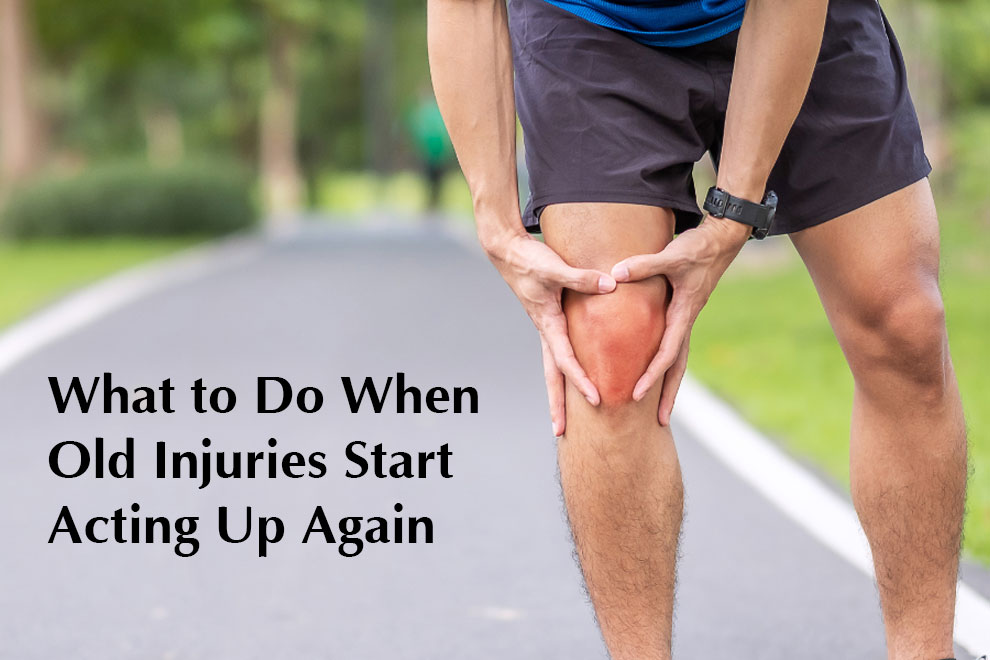
You thought it was behind you—an injury from years ago that healed enough to stop interfering with your daily life. But now, without warning, the pain is back. Maybe it’s a dull ache in your knee, a sharp twinge in your lower back, or lingering stiffness in a shoulder that was once injured. What gives?
It’s more common than you think for old injuries to resurface months or even years after the initial healing. Whether caused by age, compensation patterns, lifestyle changes, or simply wear and tear, reactivated injuries are your body’s way of saying something still isn’t right.
Fortunately, you’re not stuck repeating the pain cycle. With the right physical therapy approach, you can address what’s beneath the surface and restore function—often better than before.
Why Old Injuries Resurface
Pain from a previous injury often comes back because the body never fully returned to balance. Even after the initial healing phase, subtle weaknesses, joint restrictions, or compensations may remain. Over time, those imbalances accumulate, especially if you return to daily activities without proper rehab.
Here are the most common reasons old injuries come back:
1. Muscle Compensation
When one area of the body is injured, other muscles and joints pick up the slack. Over time, these compensation patterns lead to overuse in the wrong places and underuse in the right ones. That imbalance can cause pain to flare up again—even if the original injury site seems fine.
For example, a patient who once injured their knee may unknowingly shift weight to the opposite leg, hips, or lower back. Eventually, this imbalance leads to the return of knee pain treatment as a clinical need—not because of a new injury, but because of unaddressed dysfunction.
2. Scar Tissue and Mobility Restrictions
After an injury, scar tissue forms as part of the healing process. While necessary, this tissue is less elastic and more restrictive than healthy tissue. Without proper mobilization through therapy, it can limit movement, create stiffness, and set the stage for recurring discomfort—especially with repetitive activity.
3. Postural Stress and Sedentary Habits
Sitting for hours, poor lifting mechanics, and lack of movement can irritate old injury sites. What used to be manageable becomes inflamed again because the surrounding muscles and joints aren’t supporting the area properly.
This is especially common with spinal injuries. Many patients benefit from targeted physical therapy for lower back pain when discomfort returns due to postural strain or muscle fatigue years after an initial episode.
4. Age-Related Degeneration
As we age, tissues naturally lose strength, elasticity, and hydration. Joints affected by previous trauma are often the first to feel the impact of arthritis or degeneration. What once felt like a “fully healed” injury may become more sensitive over time as the surrounding structures change.
5. Incomplete or Rushed Rehab
In many cases, pain returns because the original rehab process was cut short. Whether due to insurance limits, time constraints, or a belief that the pain had “gone away,” stopping physical therapy too soon can leave residual deficits. Eventually, those weaknesses return as pain.
How Physical Therapy Restores Balance
The good news? Old injuries don’t have to define your future. With a skilled physical therapist, you can retrain your body to move correctly, rebuild strength, and restore balance—even years after an injury first occurred.
Here’s how physical therapy helps when past injuries flare up:
Comprehensive Movement Assessment
Physical therapists start with a full-body assessment, not just the site of pain. They look at how you walk, sit, lift, and stand to identify faulty patterns and compensation strategies. The goal is to determine why the pain returned—not just where it hurts.
This is particularly valuable for those dealing with recurring or widespread pain. Specialists in chronic pain physical therapy treatment understand the complexity of how the nervous system and movement systems interact over time.
Corrective Exercises and Strengthening
Targeted exercises can rebuild stability around vulnerable joints. Strengthening weak muscles and improving control helps support previously injured areas, reducing the risk of reinjury.
For example:
- Hip and glute strengthening to support the knee
- Core stabilization to unload the spine
- Scapular control to prevent shoulder flare-ups
Progressive, functional exercises build endurance and balance so you can move with more control in everyday life—not just in the clinic.
Manual Therapy and Tissue Mobilization
Hands-on therapy helps release restrictions from old scar tissue, improve joint mobility, and reduce tension in overactive muscles. This improves blood flow, decreases inflammation, and helps the body relearn how to move without pain.
Education and Movement Re-Education
Understanding why the pain returned is key to preventing future flare-ups. Therapists guide you through movement retraining—like how to bend, lift, and twist—so your body learns to distribute load evenly.
Patients recovering from old lower back or spinal injuries often regain freedom of motion through this process, especially when combined with physical therapy for lower back pain programs designed for long-term maintenance.
Lifestyle Adjustments
Sometimes, small changes in posture, workstation ergonomics, or activity modification can prevent recurring flare-ups. Physical therapists help identify daily habits that may be contributing to stress on previously injured areas and teach ways to optimize movement for longevity.
Final Thoughts: You’re Not Back to Square One
It’s frustrating when an old injury starts acting up again—but it doesn’t mean you’re starting over. Your body still holds valuable memory from past healing. With expert physical therapy guidance, you can build on that foundation and restore long-term balance.
Whether you’re dealing with a familiar ache in your knee, stiffness in your spine, or general discomfort that seems to come and go, don’t ignore it. Old injuries resurface for a reason—and that reason can be addressed.