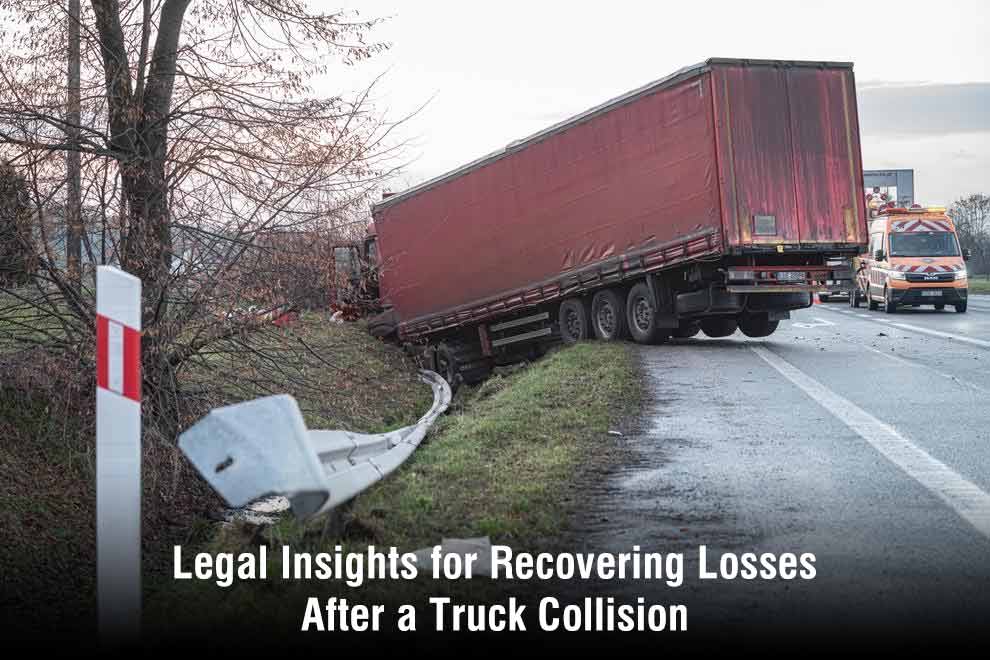
Truck collisions often leave far-reaching consequences that extend beyond the initial crash. Injuries, financial burdens, and disruptions to daily life can quickly accumulate, making recovery complicated and overwhelming.
Beyond medical bills and vehicle repairs, there are lost wages, long-term treatment, and even permanent changes to work or lifestyle. Facing this reality requires careful planning and informed decisions. Understanding the legal options available after a truck collision is essential to ensure that all losses are addressed.
This guide highlights the steps victims can take and the strategies that support effective recovery and fair compensation.
Understanding the Full Scope of Losses
The consequences of a truck accident extend far beyond what is visible immediately after the crash. Medical expenses, including emergency care, surgeries, medications, and rehabilitation, are often the first concern. Vehicle damage adds another layer of financial pressure.
Yet, these tangible costs are only part of the story. Lost income from missed work, reduced earning capacity, and long-term care needs all contribute to the overall impact. Emotional and lifestyle disruptions, though harder to measure, also affect recovery.
Taking prompt steps toward legal action against negligent trucking companies helps victims pursue full compensation for both visible and hidden losses.
Collecting Evidence to Strengthen Your Case
Solid evidence is the backbone of any legal claim after a truck collision. Police reports, witness statements, photographs of the scene, and dashcam footage help establish how the accident occurred. Detailed medical records and documentation of ongoing treatments prove the severity of injuries and associated costs.
Keeping track of lost wages, daily challenges, and other related expenses ensures that all damages are accounted for. Legal professionals can guide victims on which records to preserve, how to gather supporting documentation, and ways to present the evidence effectively to insurers or in court.
Navigating Insurance Negotiations
Insurance companies often attempt to minimize payouts, using assessments that may not fully reflect the long-term impact of a truck collision. Negotiating with insurers requires knowledge of policy terms, liability considerations, and the full extent of damages. Legal representation provides an advantage by presenting claims that clearly outline both current and projected losses.
Skilled attorneys anticipate common counterarguments and ensure that settlement offers do not undervalue the true costs of the accident. Negotiation without proper guidance can result in accepting an amount that fails to cover ongoing medical care or lost income.
Legal Strategies to Maximize Recovery
Pursuing legal action against negligent trucking companies involves a strategic approach that considers every detail of the accident and its consequences. This may include filing personal injury claims, seeking compensation for property damage, or pursuing claims for future medical expenses and income loss. Experts, such as accident reconstruction specialists, can provide testimony to establish liability and strengthen a case.
A qualified lawyer ensures that the claim addresses both immediate and long-term losses while accounting for shared responsibility among multiple parties. Professional representation guides victims through the complexities of legal procedures, helping them recover the compensation they deserve.
Common Mistakes That Can Limit Compensation
Several mistakes can prevent victims from obtaining a full recovery. Waiting too long to contact a lawyer may allow evidence to fade or deadlines to pass. Failing to document all damages, including lost wages or ongoing medical treatment, can reduce the settlement.
Accepting a quick insurance offer without understanding the full scope of losses often leaves victims undercompensated. Being proactive, keeping accurate records, and seeking experienced legal support are essential to avoid these pitfalls and strengthen the case for fair compensation.
Immediate Steps for Victims
- Seek Immediate Medical Attention – Prioritize your health and ensure all injuries are documented. Keep copies of all medical reports and treatment records.
- Document the Accident – Take photos of vehicle damage, the scene, and any visible injuries. Note details such as time, location, and weather conditions.
- Track Daily and Work Impacts – Record how injuries affect your daily activities, work, and overall quality of life.
- Contact an Experienced Lawyer – Reach out to a truck accident lawyer who can evaluate your case and identify all liable parties.
- Maintain Financial Records – Keep receipts, bills, and documentation of lost income related to the accident.
Closing Thoughts
Truck collisions bring challenges that extend far beyond the accident itself. Recovering losses requires understanding the range of damages, identifying liable parties, and navigating complex insurance and legal processes. Pursuing legal action against negligent trucking companies ensures that victims can address both immediate costs and long-term impacts.
By documenting losses, consulting skilled professionals, and taking informed steps, victims can protect their rights and secure the compensation needed to recover and rebuild. The path to fair recovery is clearer when legal guidance is sought early and carefully applied to every aspect of the claim.
Also Read: Why Truck Accidents Surged by 15% Despite Stricter Regulations and Enforcement Measures in NJ