Careers in education often begin long before a formal job title appears. They take shape in small, everyday settings where responsibility, care, and routine come together. In one such setting, a young student spent time helping at a family-run daycare, taking on simple tasks that offered an early view of how children learn and grow.
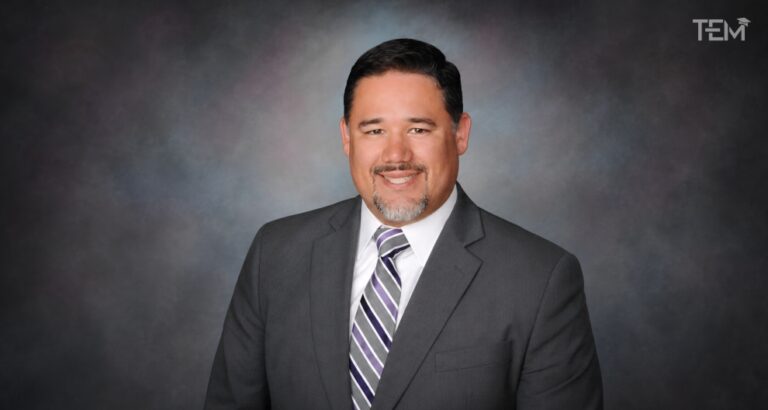
That early exposure stayed with Dr. Antonio Castro, Superintendent of Ventura Unified School District, who would go on to build a career spanning more than twenty-five years in public education. Dr. Castrobegan in student-focused roles as a paraprofessional before moving into the classroom as both a general and special education teacher. Those experiences grounded his understanding of how support systems and instruction shape student outcomes.
Over time, his responsibilities expanded across a range of leadership roles, including assistant principal, middle school principal, and director-level positions in special education and student support. He later served in district leadership roles before being appointed Superintendent in 2022.
Dr. Castro’s academic path includes a bachelor’s degree from Arizona State University and graduate degrees from California Lutheran University, reflecting a steady commitment to the work he chose early on.
Leading with Focus and Shared Effort
The role of a superintendent extends across classrooms, campuses, and the wider community. For Dr. Castro, it begins with working closely with the Board of Education to set direction and keep schools focused on improving student outcomes. His responsibilities include supporting instruction, overseeing operations, and maintaining strong relationships with families and community partners.
Much of what he values most comes from collective progress. “Our teachers, staff, families, and students are all part of what makes our district strong,” he notes. Rising graduation rates, now among the highest since changes to California’s accountability system, reflect that shared effort.
Expanding academic programs, career pathways, and student support services continues to create more opportunities for students to grow and prepare for what comes next.
Expanding Opportunities and Strengthening the Foundation
Connecting classroom learning to real-world outcomes has been a key focus in recent years. Dr. Castro has expanded Career Technical Education pathways and increased dual enrollment opportunities, allowing students to take college-level courses while still in school. These efforts help students explore interests early and understand possible career directions.
He has also strengthened support systems across campuses. Wellness services, social-emotional programs, and expanded co-teaching models have created classrooms where students feel supported and ready to engage.
His work includes long-term planning as well. Through the Measure E bond, campuses are being upgraded with improvements to infrastructure, playgrounds, and athletic facilities. He continues to approach these changes with careful planning, keeping student opportunities at the center while addressing enrollment and funding challenges.
Planning for What Comes Next
Looking ahead requires balancing ambition with the realities schools face today. Dr. Castro has centered his vision on ensuring every student receives a well-rounded education that prepares them for the future. He continues to strengthen academic outcomes while expanding access to arts, athletics, and career pathways. Efforts include broader access to college preparatory courses, stronger dual enrollment opportunities, and early literacy support at the elementary level.
He is also rethinking how programs are structured. With declining enrollment and financial pressures, he views these challenges as a chance to redesign systems more thoughtfully. In some cases, this includes consolidating programs so more students can access stronger, better-supported opportunities.
He measures progress through a mix of outcomes, including academic performance, student participation, attendance, and the overall strength of school communities.
Ensuring Access Where It Matters Most
Classrooms often reveal where support is needed long before it appears in reports. Dr. Castro pays close attention to those gaps, using student performance data and school-level input to guide how resources are distributed. He works with campuses to manage budgets in ways that direct support where it can have the most impact, rather than spreading it evenly.
He has also strengthened targeted programs for students who face additional challenges, including English learners, students with disabilities, those in foster care, and students experiencing homelessness. These supports are designed to remove barriers that can affect both learning and consistency in school.
For him, equity is not an abstract goal. It is reflected in whether each student has the support, access, and opportunity needed to keep moving forward.
Measuring What Matters in Schools
A set of numbers can show progress, but it rarely explains what is happening inside a classroom. Dr. Castro looks at both sides. He tracks graduation rates, attendance, academic growth, access to advanced coursework, and student engagement, using structured reviews of data across grade levels and student groups. Systems are also in place to monitor early literacy and mathematics, helping schools respond before gaps widen.
He does not rely on data alone. Regular visits to campuses give him a clearer picture of how students and staff are experiencing school. “Numbers tell part of the story, but listening to people completes it,” he says.
Leading Through Uncertainty
Decisions become harder when resources tighten, but expectations remain high. Dr. Castro has navigated periods marked by funding uncertainty, declining enrollment, and increasing student needs, while also working closely with staff and union partners. He has focused on clear communication and steady decision-making, ensuring the community understands both the challenges and the choices being made.
Dr. Castro approaches these situations with a long-term view, weighing what will sustain schools over time. Even when decisions are difficult, he keeps student access to strong educational opportunities at the center.
Reimagining What Schools Could Offer
As an aspirational exercise reflecting a broader vision of what could be achieved if schools were funded at the level many believe public education deserves, Dr. Castro outlines how he would use that expanded support where it matters most. He would invest in smaller class sizes, individualized tutoring, and stronger mental health services, along with additional support for students facing food and housing challenges. Early learning and extended-day programs would also see greater access.
He would also strengthen opportunities beyond the classroom, including arts, athletics, and hands-on career experiences. Improving educator pay remains important to attract and retain strong professionals. Expanding internships and mentorships would help students connect their education to real-world paths, ensuring they feel supported and prepared for what comes next.
Staying Connected Beyond the Role
Work in education extends beyond school walls. Dr. Castro remains closely tied to the community through service outside his role in the district. He currently serves on the Moorpark City Council and has been involved with organizations such as the Ventura County United Way and the Moorpark College Foundation.
These experiences keep him connected to the needs and perspectives of the wider community. He sees this involvement as an extension of his work in education, reinforcing the connection between schools and the communities they serve.
Looking Ahead with a Broader Purpose
Dr. Castro continues to focus on building school systems that stay centered on students while remaining closely connected to the communities they serve. He places importance on strengthening academic programs, expanding career pathways, and creating opportunities that support both personal and academic growth.
He also aims to ensure that students and families feel prepared for life after school, whether that leads to college, careers, or other paths. His broader goal remains steady: to contribute to systems that open doors and create meaningful opportunities for every student.
A Perspective That Guides Leadership
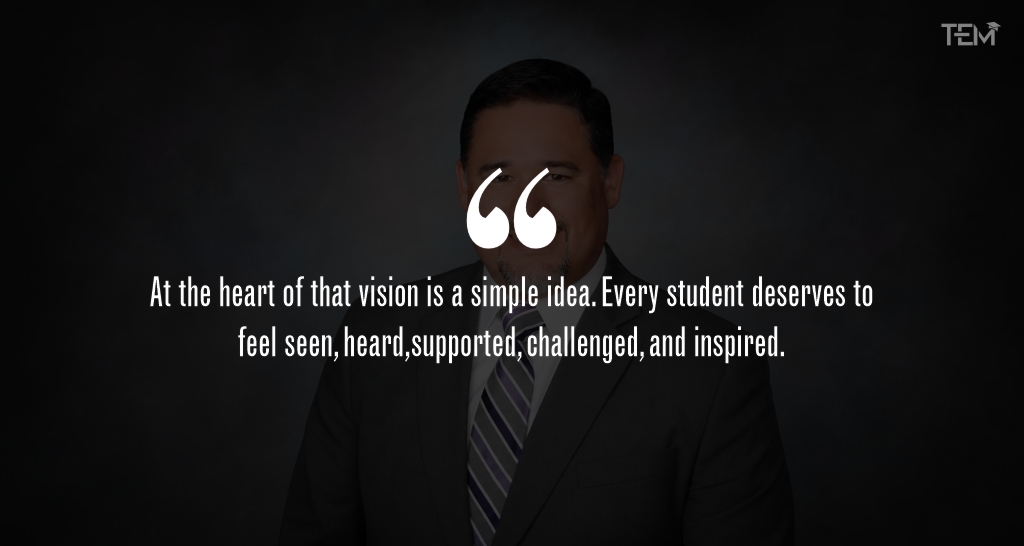
Dr. Castro believes leadership is built on listening, trust, and clear intent. He focuses on decisions that benefit students and strengthen the connection between schools, families, and the community. He sees education as a space where students begin to understand themselves, develop their abilities, and prepare for what lies ahead. That belief continues to shape how he leads each day.
Quotes
Also Read: The 10 Inspiring Education Leaders