In many American cities, public schools sit at the center of larger questions. What does opportunity look like? Who gets access to it? And what happens when a child begins to believe in their own potential? Jersey City is one such place where diversity is not an idea but a daily reality inside classrooms.
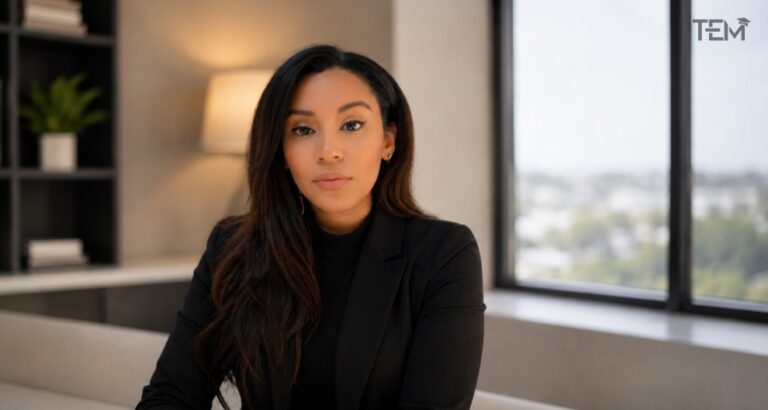
Dr. Nadira Jack grew up inside that reality. Raised and educated in Jersey City, she experienced its public schools not as an outsider, but as a student shaped by them. She saw moments that worked. She also saw where systems fell short. “I witnessed firsthand how education could transform lives when students were given access to opportunity,” she says, recalling the teachers and environments that made a difference.
Her early path did not point toward education. She studied criminal justice and political science, with plans to pursue law. The shift came later, and it came with clarity. Schools, she realized, were not just about academics. They shaped identity, confidence, and leadership in ways few other spaces could.
That belief led her to co-found Jersey City Global Charter School, a place designed to reflect the community she calls home and to prepare students for a world far beyond it.
Turning Vision into Daily Practice
Leading a school requires more than a clear idea. It demands constant translation of that idea into daily decisions. As CEO and co-founder, Dr. Jack moves between strategy and execution with steady focus. She oversees academics, operations, compliance, and staff development, while shaping long-term plans that guide the school’s direction.
What began as a belief has grown into a K–8 community serving hundreds of families. The school’s Tier 1 recognition across New Jersey and Hudson County reflects that progress. Still, she points elsewhere. “The real reward is seeing students find confidence and teachers step into leadership,” she says.
Learning That Feels Like the Real World
Inside the school, learning does not stay on paper. One of the most defining initiatives, the MicroSociety program, turns the campus into a working community. Students run businesses, take part in government, and manage their own systems. The work feels real because it is.
“Mathematics matters more when you are managing a budget,” Dr. Jack explains. The same holds for writing, which comes alive through pitches and presentations. Alongside this, project-based learning and community partnerships expand that experience. The aim stays clear. Prepare students to think, lead, and move with confidence in a connected world.
Making Equity a Daily Practice
With students representing more than 28 countries, equity is not a slogan within the school. It shapes how decisions are made each day. Progress is closely tracked, and support is adjusted so students receive what they actually need, not just what is standard. Instruction shifts to meet learners where they are.
That approach extends beyond academics. Teachers are trained to understand cultural differences and build classrooms where students feel respected and included. “Equity means every child has access to opportunity,” Dr. Jack says. The focus stays practical. Make sure each student has the tools, support, and belief required to move forward.
Measuring What Truly Matters
Dr. Jack approaches measurement with a wider lens. Test scores matter, but they do not tell the full story. She ensures that academic data aligned with state standards is reviewed closely, helping her team identify gaps and adjust support where needed.
At the same time, she looks beyond numbers. Engagement, leadership, and social-emotional growth carry equal weight in how she defines progress. Through regular data meetings, she brings educators together to refine instruction and respond in real time. “Success is not just performance,” she says. For her, it shows up in confidence, curiosity, and a student’s ability to think through the world ahead.
Leading Through Uncertainty
In the early days of building the school, Dr. Jack faced the kind of pressure that does not come with a clear roadmap. Opening a new institution meant working through uncertainty while earning the trust of families and creating systems strong enough to support both students and staff.
Those moments tested her patience and judgment. She leaned on collaboration and stayed anchored in the mission she had set out to build. “You have to believe in the work, even when the path is not clear,” she says.
What emerged from that period shaped how she leads today. Conviction matters, but so does humility.
Rethinking What School Can Be
Ask Dr. Jack how she would reshape public education with unlimited resources, and her answer moves quickly beyond scale to purpose. She would shift the focus toward creativity, real-world learning, and student agency. In her view, many systems still rely on structures that overlook how differently students think and learn.
She would invest in spaces that feel alive with ideas. Innovation labs, entrepreneurship programs, the arts, and strong community ties would sit at the center. At the same time, she would strengthen support for educators so they can sustain that kind of learning. “Students should not just absorb information,” she says. They should create, solve problems, and lead.
A Vision Anchored in What Comes Next
Looking ahead, Dr. Jack is shaping the future of the school around three steady pillars: innovation, equity, and student leadership. Her focus is not just on keeping pace with change, but preparing students to move ahead of it.
She plans to expand STEM learning, entrepreneurship, and problem-solving experiences that connect directly to the real world. Partnerships with universities, community groups, and industry leaders will open clearer paths toward future careers. “Exposure changes how students see what is possible,” she notes.
For her, success will extend beyond test scores. It will show in engagement, leadership, and the long-term impact students carry into their communities.
Extending the Work Beyond One School
Dr. Nadira Jack’s work is no longer contained within a single campus. As an author and nonprofit founder, she is now shaping ideas that travel further than classrooms. She is developing frameworks around leadership and presence-based education, exploring how schools can become places of transformation rather than routine instruction.
Her next chapter centers on reaching other educators and leaders who want to rethink the system itself. Through writing, speaking, and collaboration, she is adding her voice to a wider national conversation. “Schools should develop both intellect and human potential,” she says. The aim is not expansion for its own sake, but deeper impact.
Staying Grounded in the Work and Beyond
Dr. Jack treats balance as something that must be practiced, not assumed. Leading a school demands constant attention, but she makes space with intention. Time with her family, especially her son, brings her back to the reason the work matters. It keeps the larger purpose in view.
She also turns to quieter habits to reset. Reading, reflection, and writing help her step back and think with clarity. “You have to create space to recharge,” she says. That rhythm between responsibility and renewal allows her to lead with focus while staying connected to what matters most.
A Closing Reflection on What Education Makes Possible
After years of building and leading, Dr. Jack keeps returning to what first drew her into education. It is not just about outcomes or achievement. It is about what a student begins to believe about themselves when the environment is right.
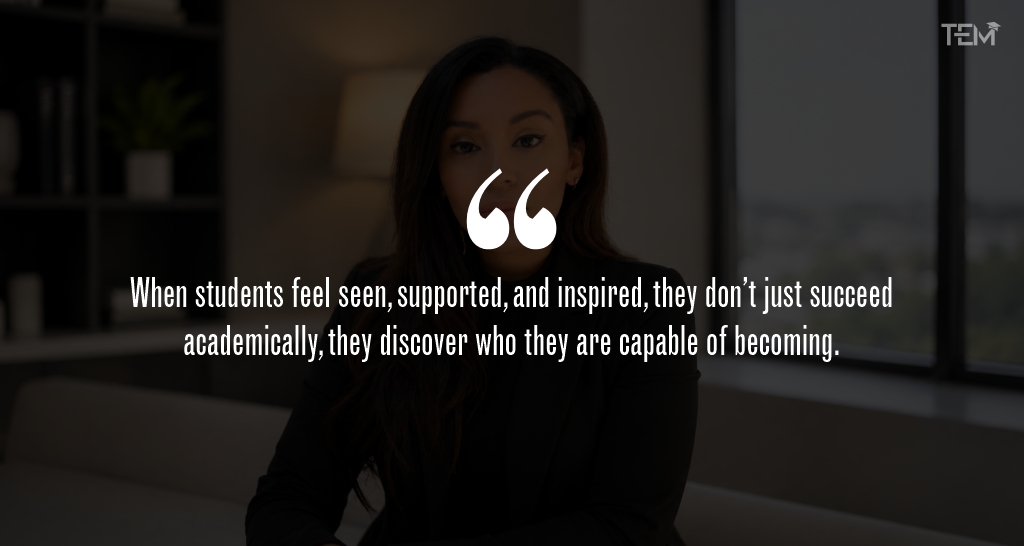
She speaks about schools as places that should nurture curiosity, confidence, and a sense of purpose. That requires educators to move past rigid models and design experiences that feel human and relevant. At the core of her perspective is a quiet but firm idea. Education works best when it helps students discover not just what they can do, but who they can become.
Quote
Also Read: The 10 Inspiring Education Leaders