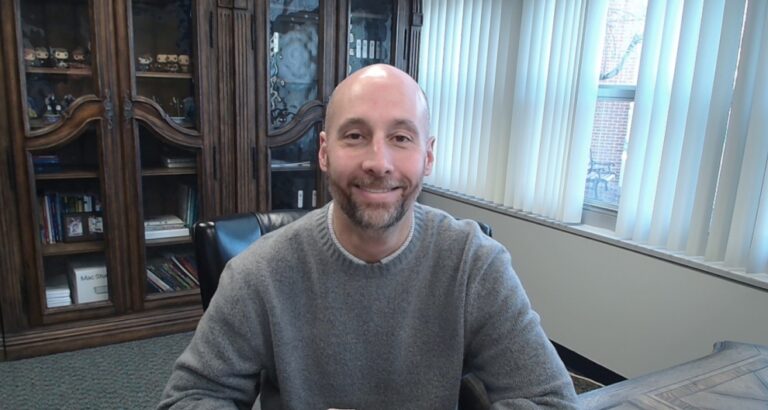
Long before he stepped into a superintendent’s office, the foundation of Salvatore M. Constantino’s work was built in a place far more immediate and demanding, a classroom in Dover. It was there, among students with different needs, personalities, and ambitions, that his understanding of education took shape in real time.
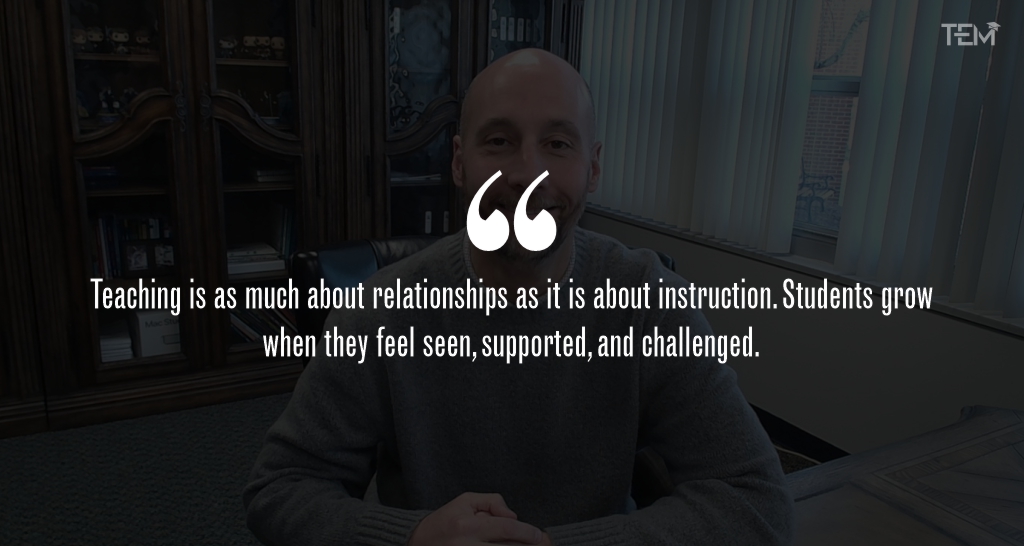
Those early years left a clear imprint. “Teaching is as much about relationships as it is about instruction,” he would come to believe, not as a theory, but as something tested daily. The lesson was simple, yet not easy. Students respond when they feel seen. They grow when they feel supported. And they rise when someone expects more from them.
As his career progressed, the roles changed. The teacher became the principal. The principal became superintendent. Each step brought new responsibilities, but the core idea stayed steady. The work was never just about systems or structures. It was about people. Classrooms, after all, do not function on policy alone. They depend on trust, connection, and a shared sense of purpose.
Now at Mendham Township School District, that same outlook continues to guide his leadership. The focus remains on building environments where both students and educators can do their best work, not in isolation, but together.
Responsibility in Motion
Leadership at the district level is rarely confined to an office. It unfolds in meetings, classrooms, and everyday decisions that shape how a system runs. In this role, Sal focuses on setting direction, strengthening instruction, and keeping student success at the center of every conversation.
The work calls for close coordination with staff, the Board of Education, and the wider community. “It’s about aligning goals and resources in a way that actually supports learning,” he notes.
Among his proudest achievements is building a culture rooted in trust and collaboration, while pushing forward new approaches to teaching and learning that benefit every student.
Turning Vision into Practice
A guiding idea only matters if it shows up in daily practice. Sal knows that the phrase “Every Student, Every Day” is not a slogan. It is a working standard that shapes decisions across the district. Over time, that perspective has been shaped not only by experience, but by a belief that schools must evolve alongside the world students are entering. That belief has guided his work in blending strong instructional practices with emerging areas such as artificial intelligence, social-emotional learning, and student voice.
The focus has been on making learning more meaningful and responsive. That includes stronger attention to social and emotional growth, along with giving students a clearer voice in their own education. Classrooms are also evolving through thoughtful use of technology and artificial intelligence to support personalized learning. “We are trying to meet students where they are,” he explains, “and help them grow in every sense.”
Looking Ahead with Purpose
As schools plan for what comes next, the challenge is not just to keep standards high, but to keep learning relevant. At Mendham Township, the focus is on doing both at the same time.
Sal believes the path forward centers on improving how students experience learning each day. That includes increasing engagement, opening more doors for innovative learning, and strengthening the support systems around them.
Success, in his view, goes beyond grades. It shows up in growth, participation, and well-being. Decisions, he adds, are guided by data, but never at the cost of seeing the whole student. This work also includes a growing emphasis on innovation. Under his leadership, the district has begun integrating artificial intelligence into classroom instruction in purposeful ways, helping students receive immediate feedback, engage more deeply with content, and take greater ownership of their learning. These efforts reflect a broader commitment to preparing students for a future that is both technologically advanced and human-centered.
Equity in Practice
Walk through any school day, and the differences among students become clear. Backgrounds vary. Languages differ. Needs rarely look the same. Sal understands that equity can only be attained by paying attention to those differences rather than smoothing them over.
His approach is deliberate. Resources are directed based on need, not distributed evenly for the sake of appearance. That means added support for students from diverse linguistic and cultural backgrounds, along with classroom practices that make space for everyone to participate.
It also requires preparing educators. Rather than relying on isolated professional development, the district emphasizes a culture of collaboration, where teachers learn from one another, refine their practice together, and continuously respond to the needs of their students. “Access matters,” he says, “but so does how we provide it.”
Measuring What Matters
In education, numbers often tell part of the story, but rarely all of it. Sal knows that understanding progress requires a wider lens, one that captures both performance and experience. Academic data and formative assessments provide structure. They help track where students stand and how they are improving over time. Standardized measures have their place, but they do not define the whole picture.
Equal weight is given to how students engage, how they grow, and how they experience learning day to day. Feedback from students, staff, and families also plays a role. “You have to listen,” he says, “if you want to improve in a real way.”
Leading Through Uncertainty
Some moments test leadership in ways no plan can fully prepare for. For Sal, that moment came during the COVID-19 pandemic, when uncertainty became part of daily operations. Guidelines shifted often. Decisions carried weight for student safety and learning alike. In that environment, the focus turned to clear communication and steady coordination with staff and families.
“We tried to create stability where we could,” he recalls, “while staying flexible as things changed.” The experience underscored the value of trust and transparency, and it left behind a stronger sense of connection across the school community. It required balancing health, learning, and community trust in real time. It also reinforced the importance of leading with empathy, ensuring that decisions reflected not only logistical realities but the emotional and social needs of students, staff, and families.
Rethinking What Is Possible
Ask any educator what they would change with unlimited resources, and the answers often point in a similar direction. But what Sal prioritises is not scale, but precision.
His focus would shift toward truly personalized learning, where each student’s strengths, interests, and needs shape the way they are taught. Alongside that, greater investment in mental health and support services would address a part of education that often goes under-resourced.
Attention would also turn to educators themselves. Continued professional development, he believes, is essential. “If we expect schools to evolve,” he says, “the people leading classrooms have to be supported to grow as well.” This includes aligning resources, expanding access to support services, and ensuring that classroom practices reflect a wide range of perspectives and experiences. The goal is not simply access, but meaningful participation for every student.
Life Beyond the Role
Maintaining balance takes effort, not chance. And Sal knows that means making time to step away from work and reset. He spends time with family, stays active, and looks for moments to disconnect from a full schedule. Spending time with family, exercising, and reading are part of that routine. Each offers a different kind of pause, one that helps clear the mind.
“I try to make space to recharge,” he says. Those habits are not separate from work. They shape how he returns to it, with more focus, patience, and perspective.
Looking Beyond the Present
The work of education does not end with what is in front of you. It extends into what students will face next. For Sal, that future is shaped by both care and curiosity.
The focus remains on strengthening the student experience, with close attention to mental health and the realities families are navigating today. At the same time, there is a growing interest in how science, technology, and artificial intelligence can improve how students learn.
“We are exploring how these tools can support teaching in a meaningful way,” he says. The larger aim is steady. Build systems that adapt, include, and prepare students not just for exams, but for life.
A Simple Idea That Stays
One idea continues to guide Sal’s thinking, drawn from Fred Rogers: “Look for the helpers.” In schools, those people are everywhere. Teachers, staff, families, and students step in quietly, often without recognition, to support one another. That belief shapes how Sal leads.
“Look for the helpers” is more than a reflection. It is a leadership approach. By creating the conditions for others to succeed, he believes the impact of a school system extends far beyond any one individual. In that way, leadership becomes less about position and more about purpose, building a culture where people feel valued, supported, and inspired to do their best work every day.
“Create the conditions for people to do their best work,” he says. The work, in the end, comes back to that. Support the people who show up each day, and the impact carries further than any policy ever could.
Quote
Also Read: The 10 Inspiring Education Leaders