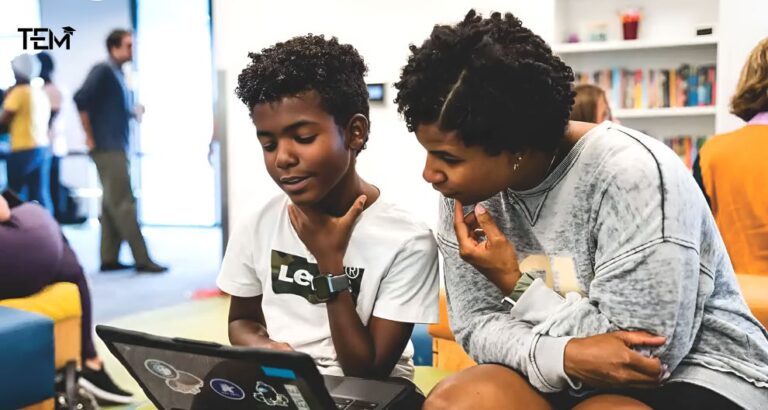
For years, classrooms have followed a familiar rhythm. Lessons move forward, students try to keep up, and success is often reduced to marks on a sheet. It works for some, but for many, something feels missing. Questions go unasked. Curiosity gets sidelined. Learning begins to feel like a task instead of an experience. That discomfort is where The Novatio School takes shape.
When the school launched at full scale in 2025, it carried with it the groundwork of two existing ideas, 2 Hour Learning and Prequel. Both had been exploring how to make learning more focused and engaging. Bringing them together was not just about combining models. It was about building something that could respond more closely to how students actually learn.
The early plan was still open-ended. A bilingual format was part of the initial thinking, and for a time, it seemed like a natural direction. But as conversations with families deepened, a different pattern began to emerge. The challenge was not always about language. More often, it was about pace. Some students needed more time to understand. Others were ready to move ahead but had to wait. That gap, between where a student is and where the system expects them to be, became hard to ignore.
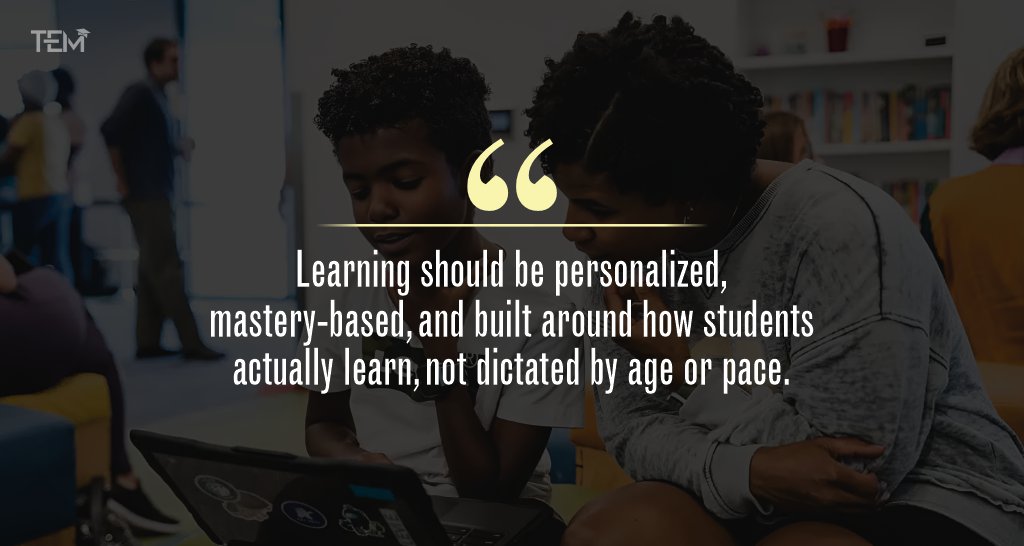
The school’s approach shifted from there. Instead of tying progress to a fixed schedule, it moved toward a mastery-based model where students advance when they are ready. The decision to operate as a fully virtual school supported that shift. It allowed learning to be structured around the student rather than the classroom. At its core, the mission is simple. Give students the space to learn at their own pace. Help them build confidence as they progress. Ensure that what they learn stays with them beyond tests and assignments.
Since its launch, the school has continued to evolve in measured ways. Its systems have been refined, its academic model has grown clearer, and its reach has expanded to include students looking for a more individual path. The idea behind it remains steady. Learning works better when it begins with the student, not the system.
Learning, Without the Rush
Most schools still group students by age and expect them to move together. Some keep up. Others fall slightly behind, often without anyone noticing where the gap began. Over time, that gap tends to grow.
Novatio takes a different view. Progress is not tied to age or a fixed pace. It depends on understanding. A student moves forward only after a concept makes sense to them. This changes how learning feels. There is less pressure to keep up and more room to get it right.
That thinking carries into the curriculum. Academic work remains strong, but it is not the only focus. Students also spend time on life skills that connect what they learn to everyday situations. They make choices, take ownership, and see how their efforts shape outcomes. Gradually, learning becomes something they take charge of, not something they are pushed through.
Structured Learning That Adapts to Each Student
Students at Novatio currently come from grades 4 through 8, a stage where learning habits begin to take shape. The academic program covers the essentials. Math, reading, language, writing, science, and social studies form the core of each student’s day. What changes is not what they study, but how they move through it.
Here, progress depends on understanding. A student does not move ahead because the calendar says so, but because they are ready. This keeps gaps from building up and gives a stronger footing as concepts grow more complex.
The structure around this is deliberate. There is a clear schedule, but also room to explore through life skills programs that encourage creativity and real-world thinking. Learning paths adjust as students grow, offering support where needed and challenge where possible. It feels less like a fixed track and more like a guided path that shifts with the learner.
A Team Focused on What Truly Works
Spend a little time around the school, and one thing becomes clear. The leadership is not trying to preserve an old system. They are trying to question it. Under the guidance of Karissa Ham, School Director at Novatio, the focus stays steady. Every student can grow in meaningful ways if the environment allows it.
That belief shows up in how they speak to different parts of the community. Students are encouraged to take charge of their own learning and see it as something they control. Parents are treated as partners, not observers, with a shared role in shaping outcomes. Educators are pushed to look beyond familiar methods and ask what truly works.
The message is consistent across the board. Learning should lead somewhere real. It should be measurable, but also lasting. And most importantly, it should belong to the student.
Admission, Without the Usual Filters
In most schools, admission decides who gets a seat. Here, it begins a conversation. The school does not rely on entrance exams or academic benchmarks. A student is not measured before they are understood. Instead, the process spends time with families, looking at how the student learns, what they need, and where they want to go. It sets the tone early. This is not a selection. It is alignment.
Access is treated with the same intent. There are no income requirements attached to entry. For families in Arizona and Texas, state-supported school choice programs can cover tuition in full. The school also ensures that every student has the technology needed to participate. The idea is straightforward. Opportunity should not depend on where a student starts.
Keeping Students Present, Even on a Screen
Online learning often struggles with one thing. Holding attention. Without the energy of a physical classroom, it is easy for students to drift. But at Novatio, they approach this challenge with intent, starting with who stands in front of the screen. Teachers are selected through a rigorous process that looks beyond subject knowledge. How they communicate, how they hold attention, and how they show up in a virtual space matter just as much. That standard shapes the experience from the first class.
The day itself has a clear rhythm. Students know when to show up and what is expected, but there is enough flexibility to keep it from feeling rigid. Teachers stay closely connected through regular check-ins, small group sessions, and ongoing conversations. Integrated platforms allow for quick feedback, so students are not left waiting or guessing. Over time, accountability builds naturally. Students are seen, heard, and expected to stay involved.
Different Starting Points, Same Expectations
No two students arrive with the same background. Some move ahead quickly. Others need time to rebuild the basics that were missed earlier. The school plans for this difference rather than trying to smooth it out.
The learning model adjusts to where each student stands. Progress happens at an individual level, which allows teachers to step in with targeted support when needed. Gaps are addressed early, and confidence grows alongside understanding. At the same time, expectations do not shift. Every student is held to a clear standard of what they should know and be able to do.
Support goes beyond instruction. Students are given the tools required to participate fully, including access to the right technology. The balance stays consistent. Meet students where they are, but do not lower the bar.
Looking Beyond Marks on a Report
Grades still exist, but they do not tell the full story at Novatio. A student’s progress is tracked through mastery of specific skills, which offers a clearer view of what they actually understand. It shifts the focus from scores to substance.
Growth is measured over time using tools like NWEA MAP, helping the school see how students improve through the year, not just where they stand at a single point. This adds another layer to how progress is understood.
There is also attention given to what happens outside traditional academics. Projects, participation, and day-to-day engagement reveal how students think, work, and take responsibility. Independence and accountability are treated as part of success, not separate from it. The result is a fuller picture. Not just how a student performs, but how they grow.
The People Who Hold It Together
Look closely at how The Novatio School operates, and a pattern begins to emerge. It depends on people who understand that teaching online demands more than subject knowledge. The faculty brings together educators from different parts of the world, each chosen not just for what they know, but for how they connect with students.
That connection shows up in the classroom and beyond it. Lessons feel more personal, and students are less likely to fade into the background. Alongside academics, the life skills program is carefully shaped to keep students engaged in ways that feel relevant.
Behind the scenes, a dedicated curriculum team, including the Director of Curriculum and academic coaches, keeps everything aligned. They refine content, support teachers, and ensure consistency across the board. It works because the effort is shared. Everyone moves in the same direction, with the student at the center of each decision.
Early Signs That It’s Working
Growth often shows up in numbers, but the more telling signs are in how students move forward. Since its full-scale launch in 2025, Novatio has begun to see both. One of the clearest markers came with its first round of NWEA MAP testing. The results stood out. Students showed close to 4.5 times the academic growth typically seen in traditional settings. For a model built on pace and mastery, it offered early proof that the approach was holding up.
Enrollment has also grown steadily, with more families looking for a learning environment that adapts to the student rather than the system. Alongside this, internal systems and platforms have been refined, improving both engagement and day-to-day experience. Taken together, these shifts point to something simple. The model is not just different. It is beginning to deliver.
Support That Extends Beyond the Classroom
Learning at the school does not end with academic lessons. Support is built into the day in quieter, consistent ways. Students stay in regular touch with their teachers through check-ins and one-on-one conversations, creating space to ask questions, reflect, and stay on track.
Mentorship grows naturally from these interactions. Over time, teachers come to understand how each student thinks, where they hesitate, and what helps them move forward. This makes support feel less formal and more personal.
Beyond this, life skills sessions give students a chance to explore interests and apply what they learn in real situations. They begin to see how their choices connect to outcomes.
Families remain part of the process throughout. Communication stays open, so support at school and at home move in the same direction. The aim is steady preparation, not just for the next grade, but for what comes after.
What Comes Next?
The next phase for The Novatio School is not about changing direction. It is about going deeper into what already works. The focus remains on refining the model while opening the doors to more students, without letting quality slip.
There is continued attention on strengthening the mastery-based approach, making sure it stays clear, consistent, and effective as the school grows. Academic outcomes remain a priority, but so does the expansion of life skills programs that prepare students beyond textbooks.
Technology is expected to play a larger role in this phase. Not as a feature, but as a support system that helps track progress, personalize learning paths, and make day-to-day experiences smoother for both students and teachers.
The path ahead feels measured. Grow carefully, improve steadily, and keep the student at the center of every decision.
Quote: