In many towns, schools carry a sense of continuity that stretches across generations. Families return to the same classrooms, and over time, those spaces begin to reflect not just learning, but the character of the community itself.
That sense of continuity is clear in Mendham Township School District, where a long-standing tradition of academic strength is closely tied to community pride. The district has served generations of students, gradually shaping an environment that feels both familiar and responsive to change.
Over time, its approach has shifted from a strong foundational model to one that places equal importance on academic rigor and the development of the whole child. Classrooms are designed to challenge students, but also to support curiosity, collaboration, and personal growth.
At the center of this work is a simple but steady focus: “Every Student, Every Day.” This idea reflects a commitment to ensuring that each student is seen, supported, and encouraged to reach their potential. It is not treated as a slogan, but as a guiding principle that shapes daily decisions.
The district’s direction continues to evolve with changing expectations in education, while holding on to the close-knit values that define the community. Innovation, engagement, and a strong sense of connection remain central, creating a learning environment that prepares students not only for academic success but for the world beyond school.
A Two-School Structure with a Clear Path Forward
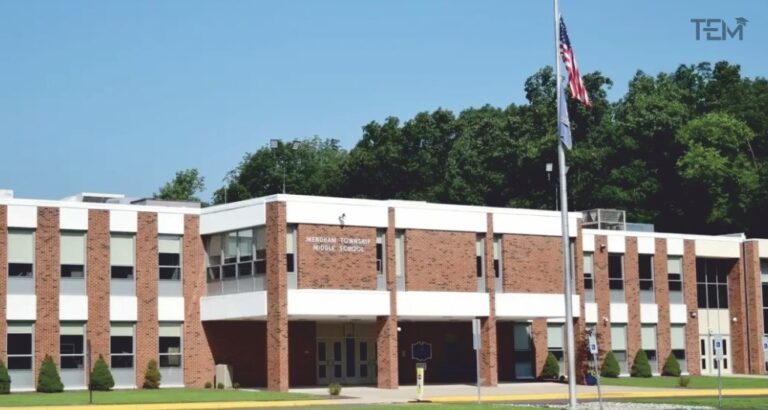
Students here move through a system that stays familiar from the early years into middle school. The district serves Pre-K through Grade 8 across two schools. Mendham Township Elementary School builds early academic and social foundations, where students develop core skills and begin to understand how they learn best. As they move into middle school, the focus gradually shifts toward independence, stronger study habits, and a greater sense of responsibility.
This transition is not abrupt. Expectations increase in a way that allows students to adjust while still feeling supported. Teachers across both schools remain aligned in their approach, which helps create consistency in how students experience learning.
Families play an active role throughout these years, staying closely connected to school life and reinforcing that sense of continuity. Because of this, students often move forward with a clear understanding of both expectations and support systems. The structure itself is simple, but it creates a steady path where each stage builds on the one before it.
A Curriculum That Builds Depth Over Time
What students experience in the classroom changes as they grow, but the expectations remain steady. In the elementary years, the focus stays on building strong skills in reading, writing, mathematics, science, and social studies. Instruction is adjusted to meet individual needs, giving students the time and support to understand concepts before moving ahead.
Within the district, that foundation gradually expands in the middle school years. Students take on more advanced coursework and work across subjects through interdisciplinary projects. Lessons begin to ask more from them, not just answers, but reasoning, connections, and independent thought.
Technology supports this process, but does not lead it. Teachers use it where it adds value, while keeping attention on how students think and engage. The shift from one stage to the next feels gradual, allowing students to take on more responsibility without losing the support they have come to rely on.
Classrooms across the district are also beginning to reflect a thoughtful integration of emerging technologies, including artificial intelligence. Rather than replacing instruction, these tools are used to deepen learning, allowing students to receive immediate feedback, revise their thinking, and engage more actively in the learning process. In some classrooms, students interact with historical figures through AI-supported simulations or refine their writing through real-time feedback, creating a more personalized and engaging academic experience.
Leadership Focused on Students and Community
In a district this size, leadership is noticed in how schools feel day to day. That direction is guided by Salvatore M. Constantino, Superintendent of the district. His work stays closely connected to classrooms, staff, and families, with a clear emphasis on communication and consistency.
Salvatore places importance on working with people rather than around them. Teachers, staff, and families are part of the conversation, which helps keep decisions grounded in what students actually need.
His message is straightforward. Schools should be places where students are known, supported, and challenged. That idea carries into everyday practice, shaping both classroom expectations and long-term planning. The approach remains steady. Focus on students, stay connected to the community, and keep improving without losing what already works.
Defining Excellence in Everyday Practice
What counts as strong education is not limited to test scores. It shows up in how students grow over time, both academically and personally. Within Mendham Township, that balance is built into how classrooms operate. Academic expectations remain high, with a clear focus on mastering core subjects, but equal attention is given to student well-being and development. Learning is designed to challenge students while also helping them build confidence and resilience.
Strategic planning reflects that same approach. Priorities include maintaining strong instructional standards, supporting social-emotional learning, and creating space for continuous improvement in teaching practices. Rather than making broad changes, the district focuses on refining what works and adjusting where needed.
There is also a steady effort to bring thoughtful innovation into classrooms. New methods and tools are introduced carefully, ensuring they support learning without replacing strong foundational practices. The goal remains consistent. Prepare students with the knowledge and skills they need, while also helping them grow into capable, well-rounded individuals.
The district has also placed a growing emphasis on mental health awareness and support, recognizing the increasing complexity of student needs. This includes proactive counseling services, structured social-emotional learning, and a focus on helping students develop coping strategies, self-awareness, and strong interpersonal skills.
The district is also emerging as a leader in the thoughtful use of innovation. Initiatives such as the launch of its AI assistant, “Spike,” and continued exploration of technology-supported learning reflect a commitment to preparing students for a rapidly evolving world while maintaining strong instructional foundations.
Supporting Different Ways of Learning
Classrooms are planned with the understanding that students learn in different ways and at different paces. The district approaches this through a mix of differentiated instruction, small-group support, and enrichment opportunities. Teachers adjust how lessons are delivered so students can engage with the material in ways that suit them, whether that means more guidance, more practice, or more challenge.
Support does not stop at academics. There is a clear effort to make classrooms feel inclusive and reflective of different backgrounds and experiences. This helps students feel comfortable participating and expressing themselves.
What stands out is the flexibility. Teachers are not locked into a single method. They observe, adjust, and respond as students progress. The goal is simple. Make sure every student has what they need to learn well and move forward with confidence.
Building Strong Community Connections
Strong relationships with families do not happen by accident. They are built through regular, honest communication. The district keeps parents involved through consistent updates, school events, and opportunities to participate in what students are doing. Parent groups are not just supportive, they are active, helping organize programs and contributing to school life in visible ways.
Connections also extend beyond families. Local organizations and community partners work with schools to add experiences that students would not get in a classroom alone. What makes this work is continuity. These relationships are maintained over time, not just during major events. It creates a sense that everyone is working toward the same goal, supporting students in a way that feels shared rather than separate.
A School Experience Beyond the Classroom
Student life at Mendham Township stays active well beyond academic hours. Students take part in a wide range of activities, from athletics and clubs to enrichment programs that reflect different interests. Some are drawn to sports and team competition, while others find their space in student-led clubs or smaller group activities.
The arts hold a strong place as well. Music and visual arts programs give students the chance to create, perform, and work together, often becoming a regular part of school life rather than an occasional activity.
These experiences add another layer to the school day. They give students room to explore what they enjoy, build confidence, and connect with others outside the classroom. It creates an environment that feels active, varied, and connected.
How the District Operates Behind the Scenes
Keeping schools running smoothly depends on how well different roles stay connected in their work. The district is organized around a mix of building leaders, instructional teams, and support staff who work closely with one another. Principals take the lead within each school, focusing on instruction, daily operations, and the overall student experience. Their role keeps classrooms aligned and ensures that expectations remain consistent.
Beyond the school level, district leadership supports areas such as curriculum development, student services, and operational planning. This allows schools to stay focused on teaching, while larger systems and resources are managed in the background.
What makes the structure effective is the coordination between these roles. Communication is ongoing, and decisions are made with a shared understanding of priorities. Teams are not working separately, but in step with one another.
This alignment helps maintain consistency across both schools. Academic goals, student support, and day-to-day operations are all connected, allowing the district to function in a way that feels organized, steady, and responsive to student needs.
Creating Access and Inclusion in Practice
Equity at Mendham Township is approached through everyday decisions, not separate programs. The district works to ensure that all students have access to the same level of opportunity, while also recognizing that support may look different for each individual. Instruction is shaped through inclusive curriculum design, allowing students to see different perspectives reflected in what they learn.
Teachers and staff continue to build their approach through ongoing professional development, strengthening how they respond to varied learning needs and backgrounds. When gaps appear, targeted supports are put in place to help students stay on track.
The work is not treated as finished. It continues to evolve as the student population and expectations change. What remains consistent is the focus on belonging. Classrooms are designed to feel inclusive, where students are comfortable participating, expressing themselves, and taking part in the learning process.
The goal is to create an environment where access, support, and opportunity are part of the daily experience for every student.
Support That Extends Beyond Academics
Students often need support that goes beyond what happens in the classroom, and that support is built into the school experience. The district provides a range of services that focus on both academic progress and personal development. School counselors work closely with students over time, helping with academic planning, organization, and decision-making, while also offering guidance through personal challenges that may affect learning.
Social-emotional learning programs are part of this approach, giving students practical ways to manage stress, build relationships, and stay engaged in school. When additional help is needed, targeted academic support and small-group interventions are available, allowing staff to respond based on individual situations rather than a fixed system.
What makes this effective is the consistency. Students are not expected to figure things out on their own. There is a structure in place that allows them to ask for help and receive it in a timely way. The goal is to make sure students are not only keeping up academically, but also developing the skills and confidence needed to handle challenges inside and outside of school.
Looking Ahead with a Clear Direction
Planning for what comes next often builds on what is already working, rather than starting from scratch. Mendham Township School District is focused on strengthening instructional practices while continuing to expand how students engage with learning. This includes refining teaching methods, introducing new approaches where they add value, and making sure classrooms remain responsive to changing needs.
There is also a continued effort to make learning more personalized. Students are given opportunities to work at a pace and level that suits them, with technology used as a support rather than a replacement for strong instruction. At the same time, social-emotional learning remains a priority, helping students manage challenges and stay connected to their work. Inclusive practices continue to develop alongside these efforts, ensuring that classrooms remain accessible and supportive for all students.
The direction is clear. Build on a strong foundation, remain responsive to change, and continue to prioritize both academic excellence and student well-being. In doing so, Mendham Township is not only sustaining its tradition of success but redefining what that success can look like for the next generation of learners.
Quote