In many school districts, the path from kindergarten to graduation follows a straight line. Elementary school leads to middle school, and middle school leads to a district high school. The town of Acushnet, Massachusetts operates differently. Here, the early years of education carry a distinct purpose. Students spend their elementary and middle school years building the academic and personal foundation that will help them choose where to go next.
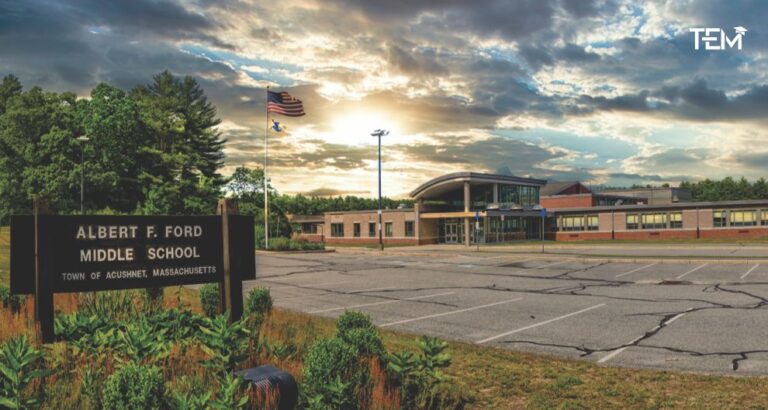
Serving this small South Coast community is Acushnet Public Schools, a district that educates students from Pre-Kindergarten through Grade 8. Its structure is simple. Younger students attend an elementary school that houses Pre-K through Grade 4, while older students continue their education at the town’s middle school through eighth grade. Those years represent the district’s entire direct responsibility, yet they are also some of the most formative stages of a child’s education.
The transition after eighth grade sets the district apart. Rather than continuing into a local high school, students move on through tuition agreements with neighboring schools. Many choose Fairhaven High School or New Bedford High School. Beginning in the 2026–2027 school year, Old Rochester Regional High School will also welcome Acushnet students. Others pursue specialized training at Old Colony Regional Vocational Technical High School or Bristol County Agricultural High School.
With several directions available, the middle school years become a time for reflection and exploration. Educators encourage students to consider their interests, strengths, and long-term goals as they prepare for the next step. Conversations about possible pathways often begin earlier than families expect, helping students approach the decision with confidence.
Even while operating with one of the lowest per-pupil expenditure rates in Massachusetts, the district continues to expand opportunities through careful planning, strong community partnerships, and successful grant efforts. Classrooms increasingly emphasize applied learning, where students collaborate, solve problems, and practice the communication skills needed beyond school. By the time they complete eighth grade, students leave not only prepared for high school, but also ready to make thoughtful choices about the road ahead.
A Small District with a Close-Knit Reach
The district’s structure reflects the scale and character of the town it serves. Education unfolds across two schools that together support students from Pre-Kindergarten through Grade 8. Younger learners begin their academic journey at the elementary school, which serves children through Grade 4. From there, students transition to middle school, where they continue through eighth grade and prepare for the next stage of their education.
Roughly 1,000 students attend the district’s schools each year. That relatively small enrollment allows educators to know families well and maintain a strong sense of connection across classrooms, grade levels, and school buildings.
Both schools serve the town of Acushnet, a community in southeastern Massachusetts known for its suburban setting and rural character. Local traditions, family ties, and community involvement remain closely linked to the work happening inside the schools. In many ways, the district mirrors the town itself: modest in size, closely connected, and deeply invested in its students.
Learning That Builds Strong Foundations
Academic learning across the district is designed with a simple idea in mind. Students grow best when their academic, social, and emotional needs are addressed together. Programs at both schools focus on building strong foundational skills while also encouraging curiosity, collaboration, and confidence in the classroom.
In the early grades, instruction centers on literacy and mathematics. Reading programs follow the science of reading, helping students develop phonics, decoding, fluency, and comprehension skills that support long-term academic success. Mathematics instruction focuses on number sense and problem solving, so students learn how to think through challenges rather than simply memorize answers. Beyond core subjects, elementary students also take part in STEM, art, music, physical education, and library classes.
By middle school, learning expands into deeper exploration. Students engage with research-based curricula such as OpenSciEd and Investigating History while also participating in advisory groups, clubs, and applied learning projects that connect classroom knowledge with real-world thinking.
Leadership Grounded in Purpose
Guiding the district’s work is a leadership team that places equal value on strong instruction and strong relationships. The two school principals oversee day-to-day learning in their buildings, while district leadership focuses on long-term direction, planning, and support for both students and educators.
Superintendent Paula Bailey describes her approach to leadership as collaborative and rooted in high expectations for every child. She entered education with the goal of making a meaningful difference in students’ lives, a motivation that continues to shape the district’s work today. School leaders place a strong emphasis on creating environments where students feel safe, supported, and encouraged to challenge themselves.
Families often hear a simple message from district leaders: every student matters. Educators work closely with parents and community members to ensure students receive strong academic instruction along with the social and emotional support needed to thrive in high school and beyond.
Defining Excellence through Shared Goals
Educational excellence in Acushnet Public Schools is measured by more than test scores or academic benchmarks. It reflects the ability of schools, families, and the community to work together so that every student experiences strong teaching, meaningful support, and opportunities to grow both academically and personally. When students leave classrooms thinking critically, showing leadership, and contributing to their community, leaders believe the district is moving in the right direction.
That vision is guided by a set of strategic priorities developed through conversations with families, educators, students, and community members. Three goals continue to shape the district’s planning and decision-making: achieving academic excellence for all students, creating strong social and emotional learning experiences, and strengthening partnerships with parents and the wider community.
Planning remains an ongoing process. District leaders are currently engaging stakeholders again to shape the next strategic plan, which will guide priorities and decisions over the coming five years while reinforcing the shared responsibility behind student success.
Supporting Every Learner
Classrooms across Acushnet Public Schools reflect a shared belief that students learn in different ways and bring different experiences with them to school. Meeting those differences with care and intention has become an important part of daily instruction. Educators begin with high expectations for every student and pair those expectations with systems designed to provide the right level of support when it is needed.
A Multi-Tiered System of Supports guides much of this work. Teachers, interventionists, specialists, and instructional coaches review student data regularly so they can identify challenges early and respond with targeted academic or behavioral support. This collaborative approach allows educators to adjust instruction while maintaining consistent, high-quality teaching practices.
Instruction itself is designed to be inclusive and engaging. Curricular materials reflect a range of cultures and perspectives, while classroom discussions encourage students to listen to different viewpoints and communicate their ideas clearly. Responsive Classroom practices also play an important role, helping students build positive relationships and develop the social and emotional skills that support learning.
Partnerships That Extend Beyond the Classroom
Relationships with families and community partners play a central role in the district’s work. Schools regularly invite parents and caregivers to share their perspectives through surveys, focus groups, and strategic planning committees. Communication stays consistent through newsletters, digital updates, and social media, while the Parent-Teacher Organization helps connect families, educators, and community members around school events and initiatives.
Partnerships across the town often bring learning beyond the classroom. Eighth-grade students take part in a Civic Action Project, where they research real issues such as food insecurity or mental health and present their ideas to public audiences. Some projects have even reached regional and state showcases. Local businesses also contribute to the learning experience. Through visits and field trips, students see how classroom subjects connect to real industries. A partnership with PJ Keating, for example, allows students to explore geology and natural resources through hands-on experiences at a nearby quarry.
Student Life and School Spirit
Life at school extends well beyond the classroom. Students experience a close-knit environment where traditions, activities, and shared experiences help build a strong sense of belonging. Throughout the year, spirit days, assemblies, and field days bring students together and give them opportunities to celebrate their school community.
Creative and leadership opportunities are easy to find. Students participate in band and chorus, performing both at school assemblies and community events. Clubs led by students and faculty add another layer of engagement. Groups such as Student Council, Drama Club, Junior National Honor Society, Solar System Explorers, and the Yearbook Club give students a chance to explore interests, develop leadership skills, and connect with peers who share similar passions.
Athletics also play an important role in student life. Teams compete in boys and girls soccer, basketball, and volleyball, along with flag football and cheerleading. Across activities and sports alike, a shared sense of pride is easy to spot. Students, staff, and families alike proudly call themselves Wildcats.
Leadership and the Work behind the Schools
Running a school district requires more than strong classrooms. It depends on a network of leaders and departments working together so that teaching and learning can happen smoothly each day. Within the district, that responsibility is shared across several levels of leadership.
District direction and long-term planning are guided by the Superintendent’s office, while the School Committee provides governance through policy decisions and oversight of the budget. At the school level, building principals oversee daily operations and instructional leadership, ensuring that classrooms remain focused on high-quality learning and student support.
Leadership, however, is not limited to administrative roles. Teacher leaders play an important part in shaping instructional practice. Many mentor colleagues support curriculum implementation and help strengthen school culture from within the classroom.
Supporting these efforts are departments responsible for curriculum and instruction, student services, counseling, nursing, finance, facilities, transportation, food services, and technology. Together, they create a stable environment that allows students and teachers to focus on learning.
Ensuring Opportunity for Every Student
Equity and inclusion are not treated as separate initiatives within the district. They guide everyday decisions about instruction, support systems, and the opportunities available to students. The goal is straightforward: every child, regardless of background or circumstance, should have access to high-quality learning and the resources needed to succeed.
Academic programs are built on research-based curriculum across grade levels, while student data helps educators identify learning gaps early. When challenges appear, targeted interventions and specialized services provide additional support so students can stay on track. These systems are designed to ensure that help arrives before small difficulties grow into larger barriers.
Just as important is the school culture surrounding that work. Classrooms aim to be places where students feel respected, safe, and known by the adults who guide them. Collaboration with families strengthens that effort, while teacher leaders and student support teams continue to look for ways to remove obstacles and expand opportunities for every learner.
Preparing Students for What Comes Next
Student support in the district extends beyond academic instruction. Programs are designed to help students explore interests, develop confidence, and begin thinking about the choices that await them after eighth grade. Because students continue their education at regional high schools, preparation for that decision becomes an important part of middle school life.
Career awareness is often woven into everyday lessons. Teachers introduce what educators describe as a “professional frame,” where students approach assignments as historians, scientists, engineers, or researchers. In social studies, for instance, students examine sources and build evidence-based conclusions much like historians would. Science and STEM classes challenge students to investigate real-world questions, encouraging them to think through problems the way engineers or scientists might.
Experiences outside the classroom further support exploration. Middle school students tour nearby comprehensive and vocational high schools, while school representatives visit Acushnet to introduce their programs. Each year, a High School Night brings families and school leaders together so students can learn about their options and ask questions before making their choice.
Looking Toward the Next Chapter
Planning for the future has become a collaborative effort across Acushnet Public Schools. Leaders are currently working with educators, families, students, community members, and School Committee representatives to develop the next district strategic plan. The process is designed to identify priorities that will guide decisions over the coming years while keeping student success at the center of the work.
Several areas have already emerged as key points of focus. District leaders aim to strengthen academic achievement, expand student supports, and continue investing in professional learning and teacher leadership. Attention is also being given to school facilities and capital improvement projects that can support safe, modern learning environments.
Another important priority involves strengthening relationships with regional high schools. As new tuition agreements take effect, the district plans to build closer partnerships that help students transition smoothly after eighth grade. Leaders are also exploring the possibility of a regionalization study with neighboring districts to examine opportunities for collaboration, efficiency, and expanded educational programming.
Quotes
Also Read: The 10 Elite School Districts Shaping Education in 2026