If you’re looking for a clear, structured path that leads to long-term professional success, business operations and management is a smart place to begin. It’s not flashy, but it’s real, stable, and deeply valued by companies across every sector. From day-to-day planning to long-term process improvements, people in operations help keep everything running smoothly.
Many students entering this field want programs that align with their current schedules. That’s why flexible, remote-first degrees are becoming more popular. In particular, options based in North Carolina are gaining attention due to their balance of reputation, practicality, and affordability. If you want to make a difference in how work gets done and eventually lead entire teams, this path could be the perfect fit.
What You’ll Actually Do in Business Operations
Forget the stereotypes about boring cubicle work. Operations jobs are dynamic. You’re tracking project progress, solving issues in real-time, and identifying new ways to streamline processes. People in these roles often sit at the intersection of teams—bridging communication, tools, and timelines. You’ll likely monitor metrics, schedule resources, and improve systems that impact real results.
In early roles, expect to manage support tasks, coordinate with vendors, prepare reports, or document repeatable processes. As you advance, your focus shifts toward decision-making, quality management, and big-picture planning. If you’re the kind of person who enjoys sorting through complexity and simplifying it, operations could be your niche.
Choosing a Degree That Matches Real-Life Goals
Not all degrees prepare you for what happens on the job. That’s why it helps to find a program in North Caroline built around real tools, real decisions, and real outcomes. Many students today seek learning formats that allow them to build experience while studying, especially if they’re already working. That’s where flexible online formats come in.
If you’re looking for one of the best online colleges in NC, the University of North Carolina Wilmington should be on your list. Its programs are shaped for modern students who want useful, flexible learning that can be applied right away. Through UNCW’s online degree options, students can focus on practical management and operational knowledge. Their curriculum supports strategic thinking and data-based planning without overloading you with unnecessary fluff. You’ll work through subjects that translate directly to how organizations function, like problem-solving, team supervision, decision-making, and workflow improvement.
Core Habits That Set You Apart
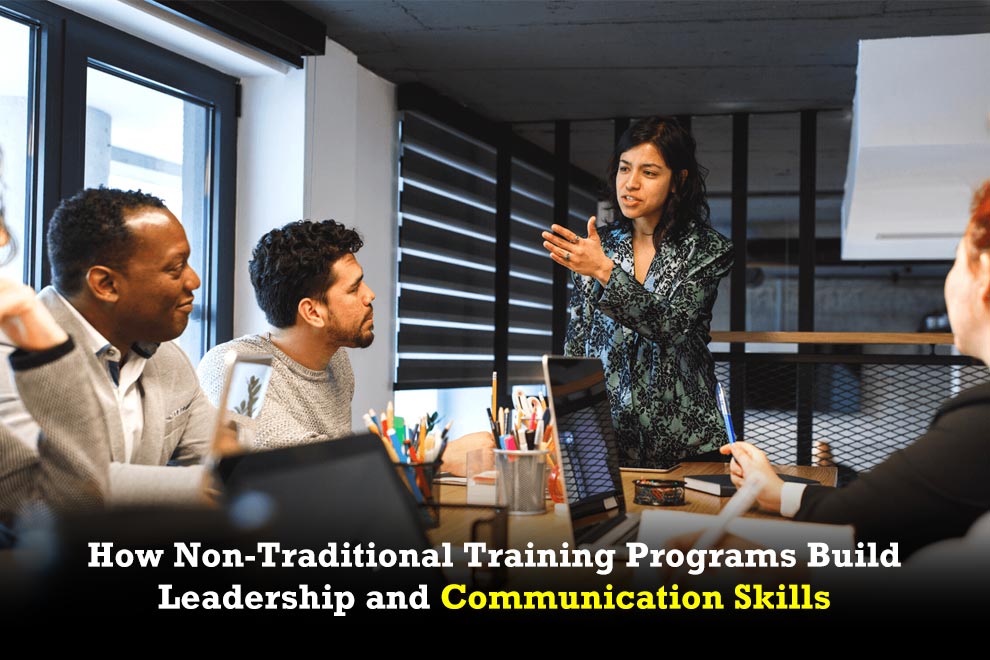
Experience helps, but daily habits make the biggest difference. Operations and management roles reward clear communication, steady follow-through, and problem-solving under pressure. When something goes wrong, your ability to stay calm and offer a fix builds trust.
You don’t need to be an expert in everything. What matters is your ability to document processes, ask useful questions, and explain things clearly. Showing initiative—like keeping a simple tracker, suggesting a better handoff, or writing a helpful checklist—will get you noticed. Consistency and clarity aren’t flashy traits, but they make you indispensable over time.
Getting Comfortable with the Right Tools
Operations professionals rely on tools that help make decisions quickly. Most teams use project tracking platforms. You’ll also deal with spreadsheets, dashboards, and reports that summarize what’s working and what’s not. Simple automation and workflow documentation tools are also key.
You don’t need to master them all, but you should be comfortable using them every day. You’ll also learn how to write basic SOPs (standard operating procedures) and manage timelines without dropping the ball. These tools aren’t just helpful. They’re part of the job. Getting comfortable with them early will make your transition smoother.
Building a Smarter Education Path
You don’t need to figure everything out at once. Many people start with a bachelor’s degree that includes operations, project management, or general management as a focus. From there, you might spend a couple of years working, then return for advanced learning when it makes sense.
This staged approach works because real-world experience makes classroom material feel more relevant. It also gives you time to figure out what areas interest you most—whether that’s supply chain, strategy, logistics, or quality assurance. When you’re ready to take on larger responsibilities, that added layer of learning helps you step into those roles with more confidence.
There’s no need to rush your way to the top. The best progress comes from building skills that help others succeed, and operations gives you that chance. By learning how to guide processes, support teams, and fix problems without creating chaos, you’ll quietly become someone everyone wants on their side.
Start by learning the basics. Choose a degree that reflects the kind of work you want to do. Build habits that make things easier for others. Take notes on what works and share your insights. Whether you begin in a small role or already have some experience, this path gives you the tools to lead without having to shout.
Also Read: What to Study for a Career in Disaster Management