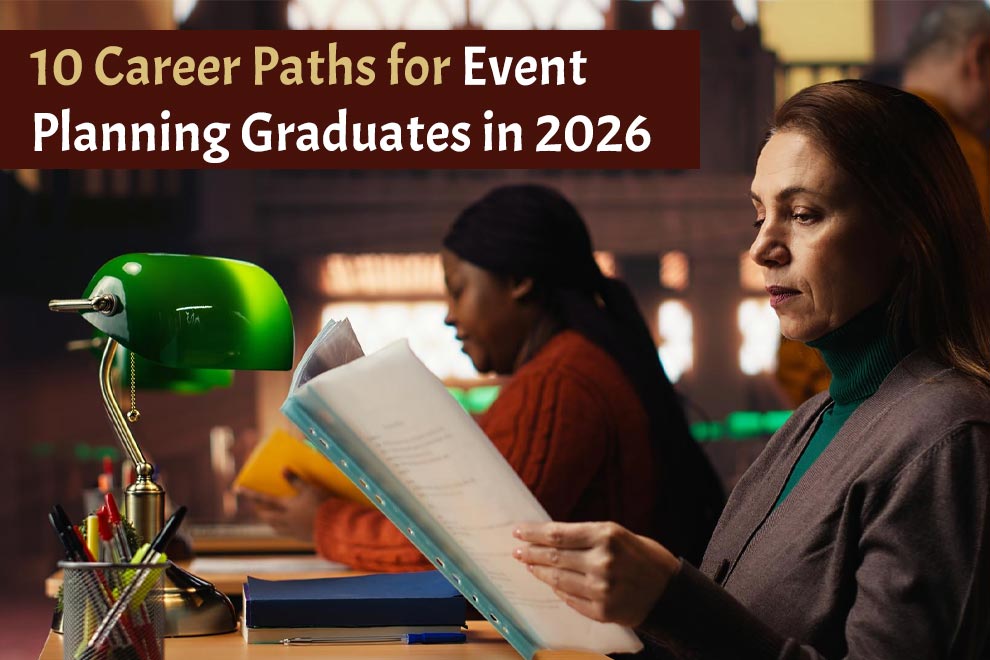
The event industry continues to evolve in 2026, creating opportunities for professionals who can bring people, ideas, and logistics together. From corporate conferences and weddings to online experiences and large public gatherings, organizations need people who can turn plans into successful events. An event planning qualification can open the door to a range of careers where communication, creativity, organization, and problem-solving are valuable. Below are 10 career options worth considering, along with the industries that hire event professionals and practical ways to begin your career.
Why Consider Event Planning as a Career in 2026?
Event planning combines creative thinking with careful coordination, giving graduates the flexibility to explore different professional environments. Businesses use events to connect with employees, customers, partners, and industry audiences, while social and nonprofit organizations rely on events for celebrations, fundraising, and community engagement.
Quality training can make that transition easier. Students looking for a flexible way to develop professional skills can explore programs such as LaSalle College Vancouver’s event planning courses online. Online study allows aspiring planners to develop knowledge in areas such as event logistics, budgeting, and client communication while fitting education around their existing commitments.
Why Are Employers Looking for Event Professionals?
The demand for live experiences has created opportunities across conferences, brand activations, weddings, festivals, and business gatherings. At the same time, virtual and hybrid events have introduced additional responsibilities for planners. Professionals may now need to coordinate an event venue while also making sure remote participants receive a smooth experience.
Experiential marketing is another factor supporting the industry. Businesses increasingly use memorable experiences to strengthen relationships with their audiences. This means employers value planners who can combine traditional event coordination with an understanding of technology and audience engagement.
What Can Event Planning Graduates Offer Employers?
Event planning graduates develop skills that can be applied immediately in professional settings. They learn how to organize schedules, monitor spending, communicate with suppliers, coordinate vendors, and manage multiple responsibilities at once.
They also learn how to respond when something goes wrong. Events rarely follow a perfect script, so being able to make quick decisions while remaining professional is an important advantage. Communication, teamwork, time management, and attention to detail further strengthen a graduate’s value to an employer.
1. Corporate Event Planner
Corporate event planners arrange professional gatherings for businesses and organizations. Their responsibilities may include conferences, employee retreats, product launches, networking events, and company meetings.
They typically work with budgets, venues, speakers, suppliers, and internal teams to make sure an event supports the organization’s objectives. This career can be a strong fit for graduates who enjoy organized environments and working directly with business clients.
2. Wedding and Social Event Planner
Wedding planners and social event specialists help clients bring important personal occasions to life. Their work can involve weddings, engagement celebrations, anniversaries, birthday parties, and other milestone events.
A planner may help choose vendors, develop an event concept, coordinate decorations, create schedules, and supervise the event itself. Because these occasions are highly personal, successful planners need patience, strong listening skills, and the ability to turn a client’s ideas into practical plans.
3. Conference and Meeting Coordinator
Conference coordinators manage the details behind professional meetings and large-scale gatherings. Their responsibilities can begin with registration and room planning and continue through speaker coordination, scheduling, and on-site support.
Large conferences can involve hundreds or even thousands of attendees, making organization particularly important. Graduates who enjoy detailed schedules, structured workflows, and coordinating several moving parts may find this career especially suitable.
4. Festival and Special Events Coordinator
Festivals and special events bring their own set of challenges. Coordinators may work on music festivals, food events, cultural celebrations, fairs, and community programs.
Their responsibilities can include obtaining permits, coordinating entertainment, working with vendors, preparing safety procedures, and managing event-day operations. Since these events can involve large crowds and changing conditions, the role is well suited to people who remain calm and adaptable in busy environments.
5. Nonprofit and Fundraising Event Manager
Nonprofit organizations use events to raise funds, increase awareness, and build relationships with supporters. Event managers in this sector may organize charity dinners, auctions, fundraising campaigns, donor gatherings, and community events.
Budgets can be limited, so planners often have to find creative ways to achieve strong results without unnecessary spending. This career may appeal to graduates who want their event management skills to contribute to a social cause or organizational mission.
6. Venue and Operations Coordinator
Rather than representing the event organizer, venue coordinators work from the location where events take place. They may be employed by hotels, conference centers, event halls, resorts, or other facilities.
Their duties can include managing bookings, preparing spaces, coordinating venue employees, checking equipment, and communicating with outside planners. This position is a good option for graduates who enjoy operational responsibilities and prefer working from an established location.
7. Trade Show and Exhibition Organizer
Trade shows bring businesses, professionals, and potential customers together in one location. Organizers are responsible for creating an environment where exhibitors can effectively display their products and connect with attendees.
The work may involve developing floor layouts, assigning booth spaces, managing exhibitors, coordinating suppliers, and handling sponsorship arrangements. Because exhibitions involve many businesses and logistical details, strong organization and stakeholder management are essential.
8. Event Marketing and Sponsorship Specialist
Not every event career centers on logistics. Marketing and sponsorship specialists focus on attracting attendees, promoting events, and generating financial support from sponsors.
They may create promotional campaigns, communicate with potential partners, develop sponsorship packages, and evaluate campaign performance. This career path is particularly appealing to graduates who enjoy both event planning and marketing. It allows them to combine organizational skills with creativity and business strategy.
9. Virtual and Hybrid Event Producer
Virtual and hybrid events have created career opportunities that did not exist in the same form in traditional event planning. Producers may oversee webinars, virtual conferences, online workshops, livestreams, and events that connect physical and remote audiences.
Their responsibilities can include managing event platforms, coordinating presenters, handling technical requirements, and keeping the online audience engaged. Because these events often involve participants and speakers in different locations, technology skills and careful preparation are especially important.
10. Catering and Hospitality Event Manager
Catering and hospitality managers concentrate on the guest experience, particularly food, beverages, and service. They may coordinate menus with chefs, schedule service teams, communicate with clients, and oversee food and beverage operations during an event.
Attention to detail is critical because small service issues can affect the overall guest experience. Graduates who enjoy hospitality, customer service, and fast-moving environments may find this career rewarding.
How Can You Start an Event Planning Career After Graduation?
New graduates do not necessarily need to pursue every event role at once. Choosing one or two areas that match their interests can make the job search more focused. A resume and portfolio can then emphasize the skills most relevant to those positions.
Building professional relationships is equally important. Events are highly people-oriented, and opportunities can come through industry contacts, professional organizations, internships, and local events. Even small connections can become valuable as a new planner develops a reputation.
How Can You Gain Experience Before Getting Your First Job?
Practical experience can make a significant difference when entering the event industry. Graduates can volunteer at community festivals, assist with charity functions, coordinate university activities, or seek internships with event agencies and venues.
Keeping evidence of completed projects is also useful. Photos, event schedules, budgets, promotional materials, and descriptions of responsibilities can help turn unpaid or entry-level experience into a professional portfolio. Employers want to see that candidates can apply their knowledge in real situations.
What Salary Can Event Planning Graduates Expect in 2026?
There is no single salary figure that applies to every event planning graduate. Earnings depend on factors such as location, experience, employer, specialization, and the size of events being managed.
Someone beginning as an entry-level coordinator will generally have different earning potential from an experienced planner responsible for major corporate events, sponsorships, or large teams. Graduates should therefore consider career progression alongside starting pay. Developing specialized skills and a strong professional network can create opportunities for higher-level positions over time.
Frequently Asked Questions
Is a Degree Required to Become an Event Planner?
A degree isn’t always required, but formal training can build valuable skills in budgeting, scheduling, vendor coordination, and event logistics. Practical experience can further strengthen your chances of getting hired.
Are Event Planning Jobs Available Online or Remotely?
Yes, some planning tasks can be handled remotely, including budgeting, promotion, scheduling, and vendor communication. However, in-person events still require on-site work, while virtual and hybrid events offer more remote opportunities.
What Is the Job Outlook for Event Planners in 2026?
Event planning continues to offer career opportunities as businesses and organizations invest in live, virtual, and hybrid events. Planners with strong organizational, communication, and digital skills can improve their career prospects.