Leadership among most schools often grows from classrooms or policy rooms. Rarely does it begin in the cafeteria. Yet, the foundation of a school is not built in board meetings alone. It lives in hallways, kitchens, offices, and every small interaction that keeps the system moving. That is where some of the most enduring leaders quietly begin to take shape.
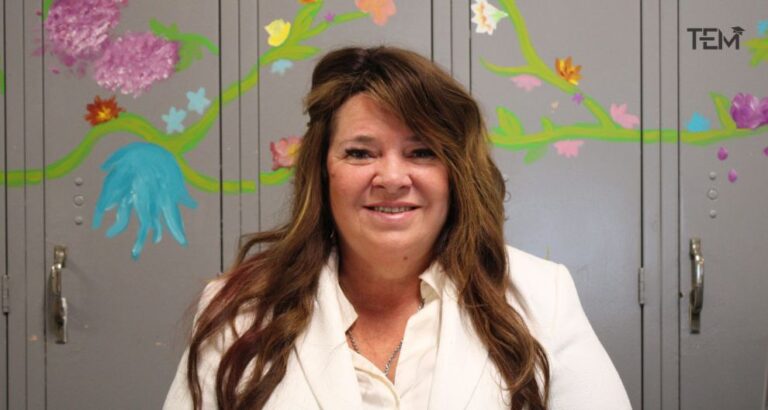
For Dr. Anne Clark, the entry point into education came at that very ground level. She started her journey working in a charter school cafeteria, observing the rhythms of a school day long before stepping into formal leadership. What followed was not a straight climb, but a deliberate exploration of the system itself. She moved through roles in operations, student support, academics, and administration, choosing to understand each layer rather than skip past it. “I don’t just lead schools from theory,” she says. “I understand them from lived experience.”
That progression eventually led her to executive leadership, including serving as a CEO. Each step added a new lens. Running a building, supporting staff, engaging families, and shaping student outcomes were no longer abstract responsibilities. They were familiar, tested, and deeply understood.
Now serving as Chief School Administrator at Westinghouse Arts Academy Charter School, she brings that full view into every decision she makes. Her leadership carries the imprint of each role she has held, grounded in the day-to-day realities of schools and the communities they serve.
Stewarding Systems, Shaping Outcomes
At Westinghouse Arts Academy, the role of Chief School Administrator reaches far beyond oversight. It calls for steady control of academics, operations, compliance, finance, and culture, all moving in sync. Dr. Clark treats this balance as daily practice, where vision meets execution in small, visible ways. “I look at every system through one lens,” she says. “Does it move students forward, and can it last?”
That focus has shaped some of her most meaningful work. She has helped schools move from instability to steady growth by tightening safety systems, raising staff accountability, and securing key funding. Inside classrooms and hallways, the shift shows in stronger relationships and clearer expectations. The school now leans toward a future that connects learning with real careers.
Designing Learning with Purpose
Inside the school, improvement begins with a clear structure and shared intent. Dr. Clark and her team introduced a Multi-Tiered System of Support, often called MTSS, to ensure students receive timely academic and behavioral help. Classroom instruction follows the Charlotte Danielson Framework, bringing consistency and focus to teaching practice.
Beyond structure, the work extends into opportunity. Career pathways in digital media, performing arts, and creative fields now give students a view of life after graduation. Partnerships and real-world exposure turn lessons into direction. “Our goal is connection with purpose,” she says. The “Rise Up” initiative reinforces shared values, shaping a culture where students feel supported, challenged, and seen each day.
Building Access with Intention
Equity, for Dr. Clark, begins with a simple distinction. Treating every student the same does not guarantee fairness. Meeting each student where they are does. That belief shapes how she designs support systems and measures success.
She aligns academic and behavioral supports through MTSS, alongside special education services and targeted interventions. The goal is not to create layers of process, but to ensure no student is overlooked. “Equity means removing barriers, not lowering expectations,” she says.
Access plays an equally important role. She works to ensure students can step into advanced coursework, arts programs, and career-focused experiences without restriction. Just as important, she listens. Input from students, staff, and families continues to guide how those systems evolve.
Tracking Progress with Purpose
On any given day, a school produces more signals than most people notice. Attendance patterns shift. Engagement rises or dips. Small changes, if ignored, grow into larger problems. Dr. Clark pays close attention to these signals and treats them as direction, not noise.
She tracks student performance through attendance, classroom outcomes, and results from the Keystone Exams, along with graduation pathways and engagement indicators. Each data point adds context to a bigger picture.
She also studies school climate through surveys and behavior trends, looking for patterns in how students experience their day. The priority is not just to identify issues, but to respond quickly, adjust systems, and keep progress moving forward.
Leading Through Uncertainty
Not every test of leadership arrives with warning. Some take shape in moments when systems falter, and trust begins to erode. Dr. Clark faced one such period early in her tenure, when alignment was weak, and confidence across the organization had to be rebuilt.
Her response was deliberate. She focused on clarity in direction, consistency in action, and open communication at every level. Decisions were anchored in student safety, operational integrity, and long-term stability, even when they came with discomfort. “Leadership is not about avoiding hard choices,” she says. “It is about making the right ones, at the right time.”
She stayed close to the mission while navigating complexity, using each decision to restore structure, rebuild trust, and move the organization forward with purpose.
Reimagining What Schools Can Be
Give Dr. Clark unlimited resources, and the first change would not be cosmetic. It would be structural. She envisions an education system that begins early and follows students through to meaningful careers, built as a connected, cradle-to-career model.
In that system, schools would function as community hubs. Academic learning would sit alongside workforce training, mental health support, and real-world exposure, all under one roof. “Education should launch a life, not just end with a diploma,” she says.
Career pathways would expand, allowing students to graduate with certifications, college credits, or direct entry into the workforce. At the center of it all, she places educators. Investment in their growth, support, and recognition would shape the strength and future of the entire system.
Finding Balance Through Alignment
The idea of balance, for Dr. Clark, does not sit in strict separation. It lives in alignment. The work she leads is closely tied to her sense of purpose, which changes how it feels day to day. It becomes sustaining rather than exhausting.
Outside her professional role, she values time with family and moments of quiet reflection. These are not escapes, but spaces to reset and think with clarity. They allow her to step back, reassess priorities, and return with intention. That rhythm, between engagement and reflection, keeps her grounded and focused as both a leader and an individual.
Extending Vision Beyond a Single School
The next phase of Dr. Clark’s work is shaped by both focus and scale. In the near term, she is working toward a model where academics, arts, and industry do not operate in silos, but intersect in ways that feel relevant to students’ lives. Growth in enrollment, stronger academic outcomes, and expanded career pathways form the core of that plan, each tied to a larger goal of long-term sustainability.
Her vision, however, does not stop at one institution. Through Peerless Resources for Educational Progress, she aims to support schools across the country in building systems that last. Her approach blends local connection with broader opportunity, positioning schools as gateways to both community and future pathways.
A Message That Stays
“Start wherever you are, and keep moving forward,” Dr. Clark says. Her own path, which began in a cafeteria, reflects that belief. No role is too small when it comes to shaping student lives. With purpose, innovation, and a strong sense of community, she sees education as a force capable of changing not just outcomes, but entire futures.
Quote:
“Education should not end with a diploma; it should launch students into sustainable futures.”