Higher education often shapes lives long before it shapes careers. For some, a college degree becomes the first step toward financial independence. For others, it changes how they see themselves and what they believe is possible. Leaders who have experienced that transformation firsthand often approach education with a different sense of responsibility.
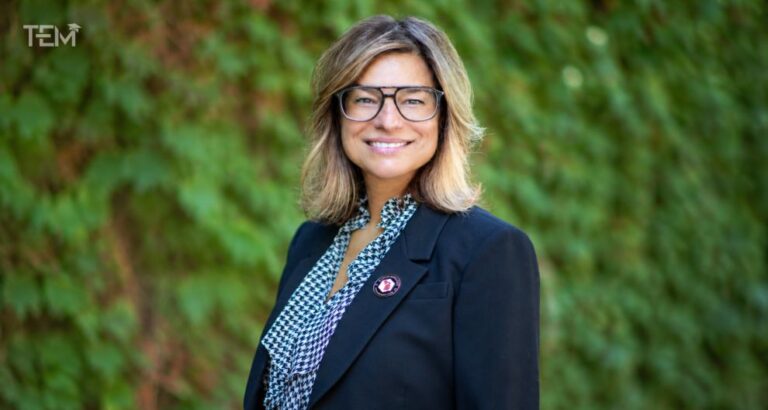
That perspective defines Dr. Jacqui Spicer, President and CEO of Baker College. Long before she stepped into institutional leadership, she experienced the challenges of becoming the first in her family to earn a college degree. Without a clear roadmap, every milestone required determination and faith in what education could make possible. The experience stayed with her and became the foundation of a career dedicated to expanding opportunities for others.
Her journey eventually led to doctoral studies at the University of Southern California, followed by leadership roles that stretched well beyond the classroom. She served as a professor, chief information officer, and chief operating officer before gaining valuable industry experience with a billion-dollar global manufacturing company. The combination of academic leadership and corporate experience gave her a practical understanding of technology, operations, talent development, and the changing needs of employers.
Today, she brings those experiences together at the institution, where her focus extends beyond helping students earn degrees. It centers on preparing them to build meaningful careers while giving them greater choice, confidence, and opportunities for economic mobility.
Leading with a Shared Vision
Leading the institution means balancing long-term strategy with the everyday needs of students, faculty, and staff while aligning people, resources, and institutional priorities around a compelling vision for the future. Under her leadership, Baker College has strengthened affordability, expanded flexible learning options, introduced career-focused programs, and enhanced student support.
“Our commitment to ‘Students First. Always.’ is more than a statement. It is the standard that guides every decision we make.” For her, these achievements reflect the collective effort of the entire college community.
Removing Barriers to Student Success
One principle guides many of the initiatives introduced under the CEO’s leadership: students should spend their time learning, not overcoming unnecessary obstacles. With that mindset, the college has expanded access through programs such as the BeFree Tuition Guarantee and Return to the Hive, helping eligible former students overcome institutional debt and return to complete their education.
The college has also introduced shorter courses, stackable credentials, flexible schedules, generous transfer policies, and credit for prior learning. At the same time, stronger employer partnerships, career-focused programs, and the thoughtful use of artificial intelligence are helping students graduate with the skills, support, and confidence today’s workforce demands.
A Vision for the Next Chapter
As Baker College marks its 115th anniversary, Dr. Spicer is focused on building an institution that meets the changing needs of today’s learners and tomorrow’s workforce. Her vision extends beyond preserving the college’s legacy; it focuses on honoring Baker’s history while preparing boldly for its future. It centers on making Baker the Midwest’s preferred destination for accessible, career-focused education through stronger employer partnerships, workforce-aligned programs, and flexible learning experiences.
“We are honoring our history by preparing boldly for the future.” The roadmap also includes investing in AI-enabled services, athletics, student belonging, and stronger pathways that help first-generation and working learners achieve lasting success.
Meeting Learners Where They Are
Today’s learners bring different ages, experiences, responsibilities, and aspirations to higher education. Recognizing that no single model serves everyone, the president has guided the institution toward a more flexible approach to learning. Students can choose from residential, commuter, online, hybrid, and real-time virtual formats, along with shorter courses, year-round pathways, stackable credentials, transfer opportunities, and credit for prior professional and life experience.
The college also works closely with employers to keep programs relevant, ensuring graduates develop technical expertise alongside communication, leadership, critical thinking, adaptability, and digital fluency.
Supporting the Whole Student
Academic success rarely depends on classroom learning alone. Dr. Spicer believes students thrive when institutions recognize the realities they face beyond campus, including financial pressures, family responsibilities, and personal challenges. Across the institution, that philosophy has shaped a culture of care supported by academic advising, tutoring, career services, wellness resources, financial guidance, and basic-needs assistance.
The college also uses data and technology to identify students who may need help before temporary setbacks become permanent interruptions to their education. At the same time, fostering a sense of belonging ensures every student feels seen, supported, and capable of succeeding.
Leading Change with Purpose
Transforming a 115-year-old institution is rarely straightforward. For Dr. Spicer, one of the greatest leadership challenges has been helping Baker College evolve without losing sight of the values that have defined it for generations. As technology, demographics, student expectations, and workforce demands continue to shift, she has worked to ensure the institution responds with intention rather than urgency.
“I describe this as ‘progress management,’ purposeful advancement rather than change for its own sake.” Through transparent communication, active listening, and data-informed decision-making, she has built trust across the college, reinforcing that lasting change succeeds when people understand both its purpose and its impact.
Investing in People and Possibility
If resources were unlimited, Dr. Spicer would accelerate Baker College’s mission of removing every preventable barrier to student success. Beyond expanding affordability and flexibility, she would establish significant innovation and professional-growth funds that give employees greater freedom to experiment, collaborate, and develop new ideas. While technology and artificial intelligence would remain valuable tools, her greatest investment would be in people, believing that meaningful progress comes from the creativity, expertise, and commitment of those who shape the student experience every day.
A Legacy of Expanding Opportunity
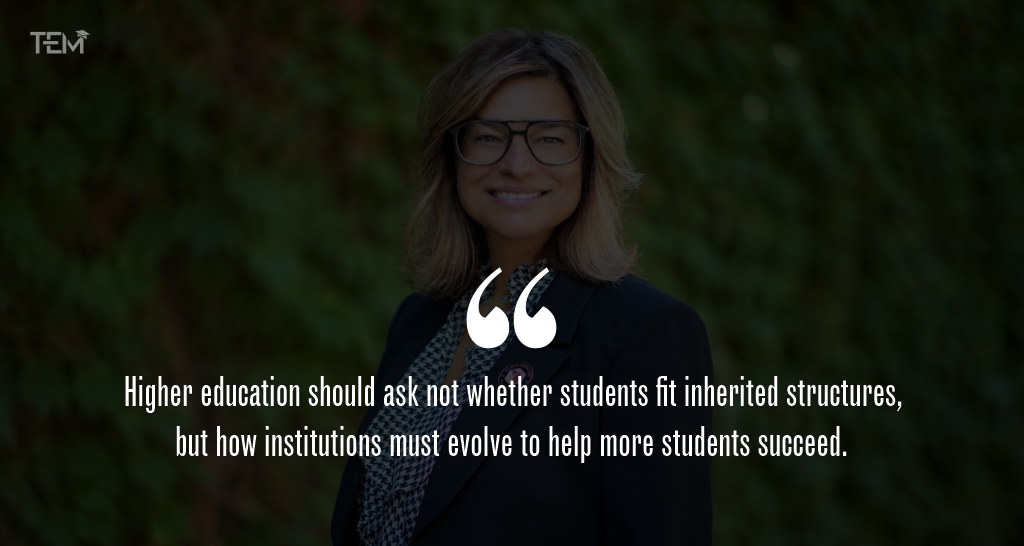
Dr. Spicer hopes to leave behind an institution that is stronger, more innovative, and deeply people-centered, one that continues expanding opportunity long after her presidency. As a first-generation college graduate, she believes higher education should evolve to help more students succeed rather than expecting them to fit inherited structures. Her vision is rooted in creating an institution that continually removes barriers, empowers learners, and remains prepared to meet the changing needs of future generations.
Renewing Perspective to Lead Better
Leadership often demands constant attention, but Dr. Spicer believes effectiveness depends on knowing when to step back as much as when to step in. She maintains that perspective through exercise, meditation, reading, and service on several boards, experiences that expose her to new ideas and different leadership approaches. Rather than treating resilience as the ability to keep pushing forward, she sees it as the discipline to pause, reflect, and return with renewed clarity, optimism, and purpose.
Seeing Potential Before Others Do
One of Dr. Spicer’s defining beliefs is that people often need someone else to recognize their potential before they can fully see it themselves. That conviction shapes the way she leads at Baker College. Rather than simply directing work, she focuses on helping people discover where their talents, experiences, and sense of purpose can have the greatest impact.
“One of the greatest responsibilities of leadership is to see potential in people, sometimes before they fully recognize it in themselves.” To her, the true measure of leadership is the number of future leaders it helps create.
Quote