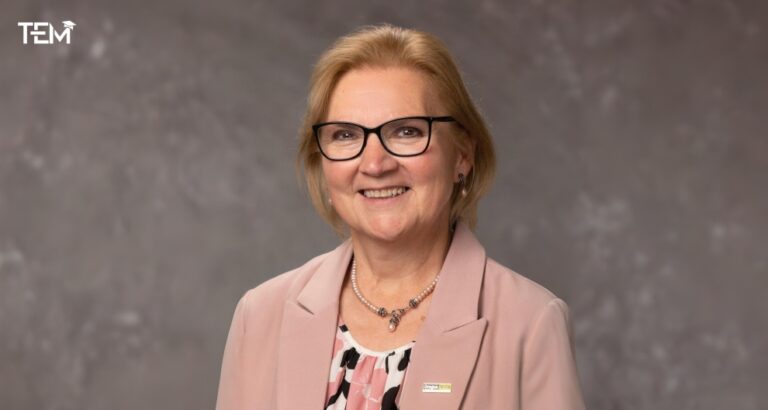
Universities that leave a mark on their students are often shaped by leaders who understand both systems and people. At the Oregon Institute of Technology, that perspective is reflected in the work ofDr. Neslihan Alp, Dean of the College of Engineering, Technology, and Management.
Dr. Alp’s academic path began in Turkey at Istanbul Technical University, where she earned her bachelor’s and master’s degrees in Engineering Management and Industrial Engineering. Those early years sparked a lasting interest in how technical systems connect with decision-making, leadership, and real-world outcomes. “I was always drawn to the intersection of engineering and leadership,” she says, “and to the role education plays in shaping communities.” She later completed her Ph.D. in Engineering Management in the United States, deepening her focus on applied learning and institutional impact.
Her career unfolded in higher education, first as a faculty member immersed in teaching, research, and collaboration with industry partners. Leadership roles followed, including department head, associate dean, dean, and provost. Each step expanded her ability to influence student success and faculty growth.
Oregon Tech’s polytechnic mission drew her in. As dean, Dr. Alp leads with a clear purpose: to strengthen hands-on programs, build industry partnerships, and prepare students for meaningful, career-ready futures.
Leading with Purpose and Accountability
As Dean of the College of Engineering, Technology, and Management, Dr. Alp oversees both the academic direction and day-to-day operations of the College. Her role spans program oversight, faculty hiring and development, accreditation, budgeting, and long-term planning, all while keeping student success at the center. She works closely with university leadership, industry partners, alumni, and donors to ensure programs stay aligned with workforce needs.
Among her proudest accomplishments are launching high-impact programs such as Construction Management, securing external funding for students and labs, and expanding industry partnerships. She also values building a collaborative culture where students, faculty, and staff feel supported and invested.
Building Engagement through Applied Learning
Dr. Alp has focused her efforts on initiatives that connect academic rigor with real-world relevance. She has led the launch of workforce-aligned programs such as Artificial Intelligence and Construction Management, designed to give students hands-on experience tied directly to industry needs.
To strengthen engagement and retention, she introduced a college-wide Freshman Seminar and expanded undergraduate research through platforms like IDEAfest. Experiential learning has also grown through deeper industry partnerships, internships, and project-based courses.
For faculty, she established mentoring, research dialogues, and collaboration initiatives that support both teaching and scholarship. Together, these efforts have shaped a learning environment where students take an active role in their education and graduate better prepared for professional life.
A Measured Vision for What Comes Next
Dr. Alp’s vision centers on strengthening Oregon Tech’s identity as a leading polytechnic institution grounded in applied learning and workforce relevance. “The goal is not growth for its own sake,” she explains, “but growth that improves outcomes for students and communities.” Her priorities include expanding interdisciplinary programs, improving enrollment and graduation rates, and deepening industry and community partnerships.
She is equally focused on applied research and faculty development. Progress, she notes, must be measurable, tracked through student success metrics, career placement, external funding, accreditation outcomes, and ongoing feedback from those the university serves.
Equity Grounded in Intentional Action
For Dr. Alp, equity begins with close attention to data and daily practice. She regularly reviews enrollment, retention, and success trends to identify where students need additional support and directs resources accordingly. “Equity means meeting students where they are,” she says, “and giving them what they need to move forward.” That approach shapes decisions around advising, academic support, scholarships, and access to experiential learning.
She works closely with faculty and student support teams to design inclusive programs and curricula. Industry and donor partnerships further expand internships, research roles, and funding, helping ensure opportunity is not limited by background.
Measuring What Matters
Dr. Alp relies on a balance of data and lived experience to understand how students and the institution are progressing. Enrollment trends, retention and graduation rates, course success, and post-graduation outcomes form the foundation of that assessment. “Numbers tell us where to look,” she notes, “but feedback tells us what to change.”
She also reviews program assessments, accreditation results, student engagement, and faculty effectiveness in teaching and research. Student and faculty input, advising outcomes, and equity indicators play an equally important role, helping guide informed decisions and continuous improvement.
Steady Leadership under Pressure
One of the true tests of Dr. Alp’s leadership came during a period of rapid change, when new programs had to be launched amid tight resources and competing demands. The challenge was not just speed, but balance. “People needed clarity, not pressure,” she recalls.
Her response centered on transparency and collaboration. She created space for faculty and staff to voice concerns, involved them in setting priorities, and broke complex goals into manageable steps. That steady, people-first approach helped the team move forward and strengthened trust. For Dr. Alp, the experience affirmed that leadership succeeds when listening and adaptability guide action.
Reimagining Public Education at Scale
With unlimited resources, Dr. Alp would redesign public education around equity and readiness for the future. She would begin by investing in early preparation and sustained support, from K–12 through higher education. “Access alone is not enough,” she says. “Students need mentoring, preparation, and consistent academic support.”
She would embed experiential learning into every stage of education, linking classrooms with industry, research, and real-world problem solving. Equally important is supporting educators through fair compensation, professional development, and time to innovate. Stronger pathways between education, workforce, and communities would ensure learning leads to opportunity.
Looking Ahead with Purpose
Dr. Alp sees the next phase of her journey rooted in helping institutions navigate change without losing sight of their mission. She is drawn to roles that allow for broader impact, from shaping academic vision to advancing research and strengthening partnerships. “Growth, for me, means expanding access and opportunity,” she says, “while staying anchored in student success.”
Her larger ambition is a higher education ecosystem that is inclusive, agile, and connected to the communities it serves. In that system, applied learning and public impact move together, preparing students not just for careers, but for leadership with purpose.
Finding Balance beyond Leadership
For Dr. Alp, balance is not a fixed achievement but a daily practice. She is deliberate about priorities, sets boundaries where possible, and protects time for reflection and family. “Being present makes me a better leader,” she says, “and a more compassionate one.”
Outside the office, she values time with her family, travel, and staying connected to her Turkish roots. Long walks, reading, and time in nature offer space to recharge. These quieter moments provide perspective and help her return to work with clarity and renewed focus.
A Closing Reflection on Leadership
At the core of Dr. Alp’s leadership is a simple belief: education has the power to change lives. She approaches her work with empathy, integrity, and a clear sense of purpose, keeping students at the center of every decision. “Leadership is not about having all the answers,” she reflects. “It is about listening, building trust, and helping others succeed.”
That philosophy shapes how she works with students, faculty, and staff alike. By investing in people and creating spaces where they feel valued, she believes institutions become more resilient and capable of lasting impact.
Quotes
“Education changes lives, and people do their best work when they feel valued, supported, and inspired.”
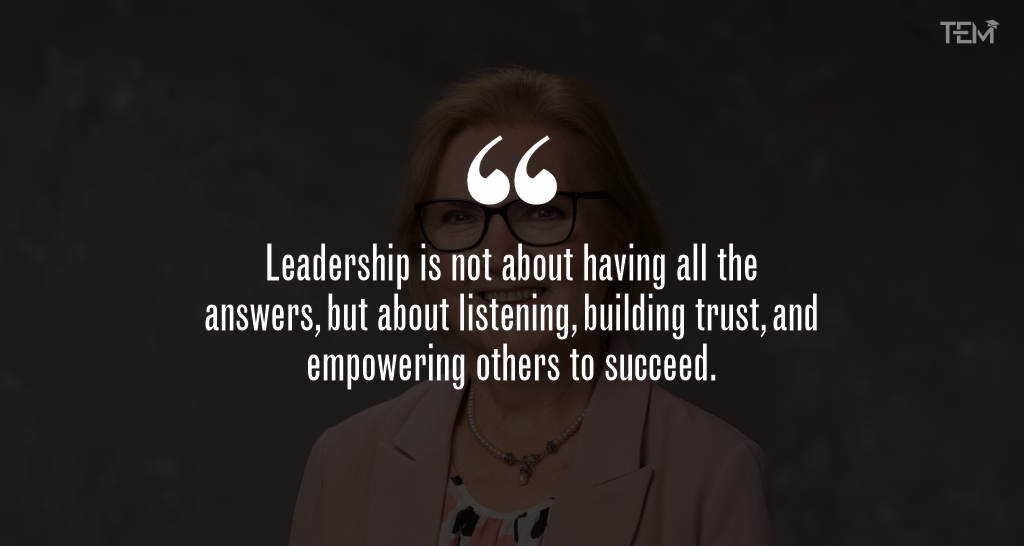
“Leadership is not about having all the answers, but about listening, building trust, and empowering others to succeed.”
Also Read: The 10 Leaders Transforming Education, 2026