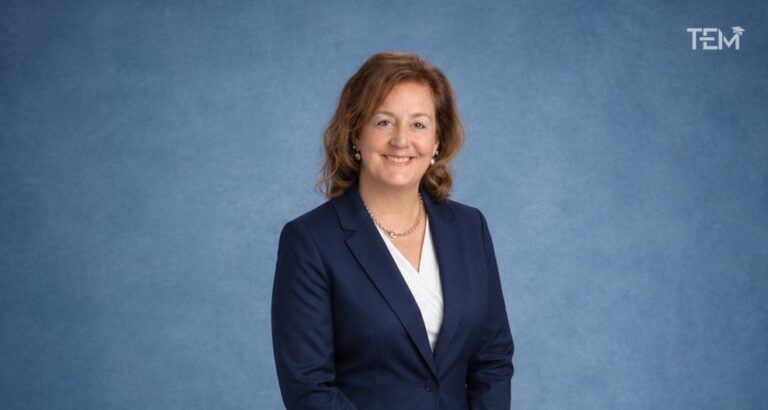
Most educators discover their calling sometime during college or early in their careers. For Dr. Paula J. Bailey, that realization arrived much earlier. In third grade, she noticed that classmates often turned to her when they struggled with an assignment. Helping them understand the lesson brought a sense of purpose that stayed with her long after the school day ended. By the time she moved through middle school and high school, the goal was already clear. She wanted to become a teacher.
That early certainty guided her academic path. Dr. Bailey attended Bridgewater State College, earning a dual degree in Elementary Education and Special Education in 1992. The combination reflected a practical interest in supporting a wide range of learners. She later returned to Bridgewater to complete a master’s degree in Educational Leadership in 1997 and continued her studies at Northeastern University, where she earned a doctorate in Educational Leadership in 2014.
Her professional journey eventually led to district leadership, but the motivation behind it never changed. In 2018, Dr. Bailey became superintendent of Acushnet Public Schools, a PreK through Grade 8 district in southeastern Massachusetts. The role allows her to shape systems that help students succeed, a responsibility rooted in the same instinct that first appeared in that third-grade classroom.
Guiding the District Forward
Leading a small district requires attention to both long-term vision and the daily details that shape school life. As superintendent, Dr. Bailey oversees the operations and instructional direction of the PreK through Grade 8 system that serves about 1,000 students across Acushnet Elementary School and Ford Middle School. The role also includes supporting more than 130 educators, staff members, and volunteers while working closely with the School Committee and partner districts.
Several milestones stand out during her tenure. In 2022, Acushnet Elementary School was recognized as a National Distinguished School, an honor awarded to only 55 schools across the country. Bailey often credits the people behind that work. “I’m most proud of what our team has achieved together,” she says. The district’s steady leadership during the COVID-19 pandemic and the growth of applied learning at Ford Middle School remain important markers of that shared effort.
Turning Strategy into Action
Much of Dr. Bailey’s work since stepping into the superintendent’s office has focused on turning the district’s strategic priorities into daily practice inside classrooms. The plan rests on three guiding ideas: strong academic outcomes, healthy social and emotional growth, and meaningful partnerships with families and the community.
Improving instruction became an early priority. Over the past several years, the district introduced a highly rated curriculum across grade levels and aligned lessons so that students build skills steadily from PreK through eighth grade. Professional development supports that effort, often led by teachers themselves.
Another shift has taken place at Ford Middle School, where applied learning has gained momentum. Projects connect classroom lessons to real-world questions. Dr. Bailey sees this as essential to engagement. “Students learn best,” she says, “when they can see why their work matters.”
A Vision for the Years Ahead
Looking toward the next phase of the district’s work, Dr. Bailey has focused on shaping a clear plan for the years ahead. Conversations are already underway with educators, families, and community members to develop a new five-year strategic plan that will guide priorities beginning in 2026.
The vision continues to build on familiar pillars. Strong academic outcomes remain central, along with healthy social and emotional development and close partnerships with families. District leaders also plan to expand applied learning opportunities, strengthen classroom instruction through curriculum alignment, and continue investing in professional learning, often led by teachers themselves.
Progress will be measured carefully. Student achievement, engagement levels, school climate data, and family feedback will all play a role. Dr. Bailey believes these indicators offer a clear picture of whether schools are meeting the expectations set by both the district and the community they serve.
Keeping Opportunity Within Reach
Dr. Bailey believes that equity begins with a simple question. What does each student need to succeed? The answer rarely looks the same for every child, which is why the district pays close attention to data when making decisions about resources and support.
Student achievement, growth trends, and attendance patterns are reviewed regularly. These insights help leaders identify where additional help may be needed and guide how resources are directed. The goal is not equal distribution, but thoughtful allocation based on student needs.
Strong instruction also plays a role. Curriculum alignment ensures that every classroom uses rigorous, well-regarded learning materials. When students require additional help, targeted academic and social support are available. Dr. Bailey often frames the approach in practical terms. “Equity means making sure every student has the tools they need to succeed.”
Measuring Growth and Progress
Keeping track of student progress requires more than looking at test scores at the end of the year. Dr. Bailey favors a broader view that combines academic performance with signs of engagement and well-being inside the schools.
Teachers and administrators review assessment data, classroom work, and performance tasks throughout the year to understand how students are developing. Intervention results also help determine whether additional support is working. Classroom learning walks and staff feedback provide another layer of insight, showing how curriculum and instructional practices are taking shape across grade levels.
Several indicators receive close attention. Student growth over time, attendance patterns, and engagement levels all help tell the story. School climate also matters. Dr. Bailey often says that real progress appears when students show strong academic gains while also feeling safe, supported, and ready to learn.
Leadership Under Pressure
Few moments test a school leader more than a crisis that affects every classroom at once. For Dr. Bailey, that moment arrived during the COVID-19 pandemic. Schools across the country faced uncertainty, shifting guidance, and urgent decisions about safety and learning.
Working with district leaders, educators, and families, Dr. Bailey helped design a hybrid learning model that kept students connected to their classrooms. Younger students attended school in person in small groups, while older grades rotated between in-person and live virtual instruction.
The approach required close collaboration with teachers and constant communication with families. In the end, the model helped maintain steady instruction during a difficult time. Dr. Bailey often reflects on that period with a clear takeaway. “Leadership,” she says, “means staying steady and focused on students, even when the path forward is uncertain.”
Rethinking the System
If resources were unlimited, Dr. Bailey would begin with people. Schools would expand access to counselors, psychologists, and social workers so students receive support early. She would also invest deeply in teacher development, strengthen early childhood programs, expand applied learning, and ensure every classroom has modern technology and spaces designed for collaboration and discovery.
Looking Ahead
Dr. Bailey’s focus remains on strengthening the district while supporting the educators who guide students each day. The goal is to build schools where every child feels known, challenged, and supported. Beyond the classroom, she hopes to contribute to a broader vision of public education that is innovative, community-driven, and centered on opportunity.
Life Beyond the Office
Balancing work and personal life has not always been easy for Dr. Bailey. Her commitment to students and schools often keeps the schedule full. Still, time with family remains essential. She enjoys staying connected with her two grown children and visiting her parents, especially during trips to Florida or when they return home to Massachusetts.
A Philosophy of Service
Looking back on her career, Dr. Bailey often returns to a simple belief. Leadership begins with service. The idea traces back to her childhood, when helping classmates understand a lesson first sparked her interest in teaching.
That perspective still shapes her work today. “Leadership is service,” she says. “And when women lead with courage, compassion, and purpose, they don’t just open doors for themselves. They hold them open for others.”
Quotes
“Students learn best when they can see why their work matters.”
Also Read: The 10 Leaders Transforming Education, 2026