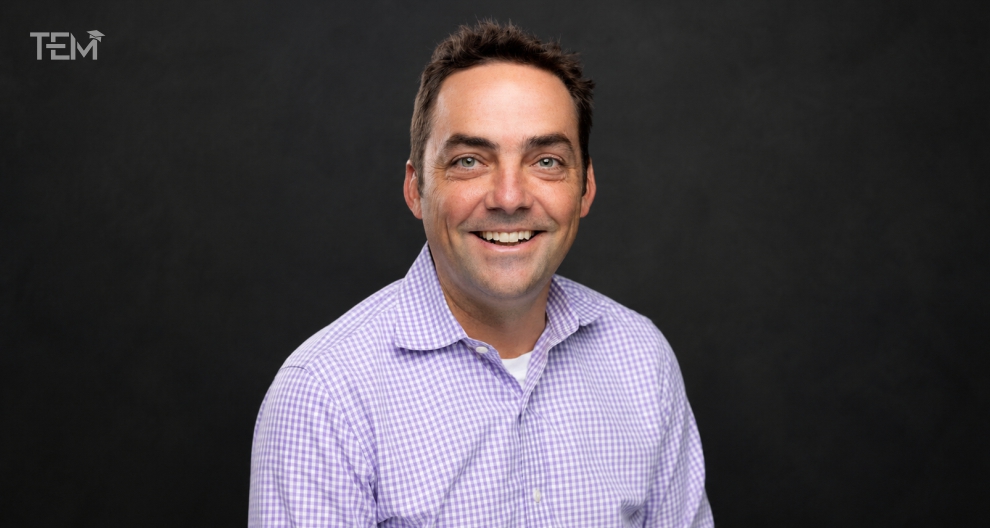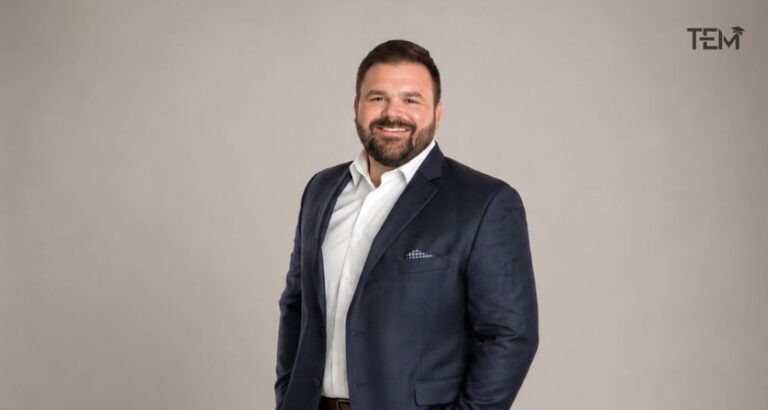
A second chance is not something a system can claim. It has to be built, often for students who were never meant to fit into standard models in the first place. Many of them are capable and aware, yet find themselves pushed to the margins for reasons that have little to do with their ability. That disconnect is what stayed with James Meehan.
His early career unfolded in the supply chain and logistics industry, where he built and operated companies that demanded precision and scale. The work brought clarity and results, but it did not offer the kind of impact that lingers.
The turning point came when he saw how many students were being left behind by systems that could not adjust to their realities. “I saw students who weren’t failing because they couldn’t learn,” Meehan says. “They were failing because the system wasn’t built for them.”
Today, as CEO of Eastpointe High School and Elevated Education, he is focused on building schools that do more than deliver lessons. The aim is to restore belief and create a path forward that feels real to the students who need it most.
Carrying the Weight of Outcomes
Leading a school system requires more than oversight. For James, the role sits at the intersection of strategy and responsibility that feels personal. He sets direction, builds leadership teams, and keeps operations tight, but the real measure remains student outcomes. “I see my role as a steward of culture,” he says, pointing to decisions that reflect a belief in second chances.
At Elevated Education, that belief has translated into stronger graduation rates and structured support systems. The work is not just about diplomas, but about shifting life paths in ways that last.
Reworking the System from Within
Change did not come through a single overhaul. It took a set of deliberate shifts led by James, each aimed at making the system respond to the student, not the other way around.
The first was a move toward personalized learning, replacing rigid instruction with pathways that adjust to individual pace and context. Alongside that came wraparound support, where academic work is backed by social and life services.
The third pillar focused on real-time data, allowing teams to track progress and act early. Together, these changes have led to stronger engagement and more students completing their path to graduation.
Looking Beyond Graduation
James is not building for scale alone. The effort is aimed at shaping a model that others can study and replicate. At Eastpointe High, his direction is clear: to become a leading example of alternative education and dropout recovery in the country.
That goal is supported by a few focused priorities. Expanding access to reach more students across Arizona and beyond. Strengthening career readiness. Creating pathways that extend into college, training, or work.
Technology and personalized learning continue to play a central role. The measure of success goes further than graduation. It shows up in what students do next, and how steadily they are able to move forward.
Designing for Fair Access
Equity is not treated as a policy line item in James’s approach. It shapes how the system is built from the ground up, especially for students whose circumstances rarely align with rigid structures. That thinking shows up in the school in practical ways. Flexible schedules allow students to balance work or family demands.
Academic plans are tailored, not assigned. Support extends beyond the classroom through mentors, coaches, and dedicated staff. The idea is simple but deliberate. Equal treatment is not enough. What matters is whether each student receives what they actually need to move forward.
Reading the Story Behind the Numbers
Numbers guide decisions, but they are never taken at face value. Under James’s leadership, data is treated as a starting point, not the conclusion. Progress is tracked through credit completion, attendance, engagement, and graduation rates. Post-secondary outcomes also matter, offering a view of what happens after students leave.
Yet the deeper signals often come from what data cannot fully capture. Changes in confidence, resilience, and mindset are watched closely. These shifts, though less visible on a dashboard, often reveal whether the system is truly working.
When Growth Tests the Core
As enrollment increased across programs at Elevated Education, the pace of expansion began to test more than just operations. New campuses, larger teams, and rising student numbers brought pressure that was not immediately visible.
James recognized the risk early. The culture that had made the model effective could easily thin out if growth moved unchecked. Addressing it meant making difficult decisions. Teams were restructured, systems were clarified, and leadership development became a priority.
It was a defining stretch. The takeaway was clear. Scaling reach is one part of the work. Protecting the culture that drives impact requires just as much intent.
Rethinking the System Itself
Given the chance to rebuild, James Meehan would start with flexibility. The current model, in his view, asks students to adjust to systems that rarely reflect real life. His approach would center on competency-based learning, stronger career pathways, and access to health and support services. Technology would enable personalized instruction at scale. The shift is simple in principle. Design schools around students’ realities, not the other way around.
Grounded Beyond the Role
Outside the demands of leadership, James builds his routine around what keeps him steady. Family sits at the center. As a husband and father of three, time at home is not treated as leftover space, but as a priority.
He also stays committed to his health, while making room for reflection and faith. These choices are not separate from his work. They shape it. Staying grounded, in his view, is what allows him to lead with clarity and consistency.
Building What Can Travel
James is now focused on taking what works and extending it beyond a single network. The next step involves expanding dropout recovery programs into more states and working closely with school districts and local communities.
Partnerships play a key role here. The aim is to build models that can be adopted and sustained without losing their effectiveness. At its core, his vision is direct. No student should be written off, and every learner should have access to a path that leads to something tangible.
What Makes the Work Matter
James often recalls students who walked in needing dozens of credits to graduate, some juggling full-time jobs, others returning after dropping out more than once. On paper, their chances looked slim.
With structured plans, consistent support, and time, many of them finished. They graduated, some moved into jobs, others into further education.
“I’ve seen students who were counted out go on to build real futures,” he says. That pattern drives his approach. The work is not just academic. It is about rebuilding belief in students who had almost given up on themselves.
Quote:
“A system works when it adapts to students, not when students are forced to adapt to it.”