For generations, the roadmap to a university degree followed a strict, predictable script. You picked a school, packed your bags for a single campus, stayed put for four years, and walked away with a degree. While that classic setup still serves plenty of students well, it is increasingly out of step with the economy waiting for them after graduation.
Modern business simply does not care about geographic borders. Today’s most agile startups launch in one time zone, secure funding in another, and scale across continents simultaneously. Because the professional arena has evolved into an interconnected global web, forward-thinking students are asking a tough question: why should their education remain anchored to one zip code?
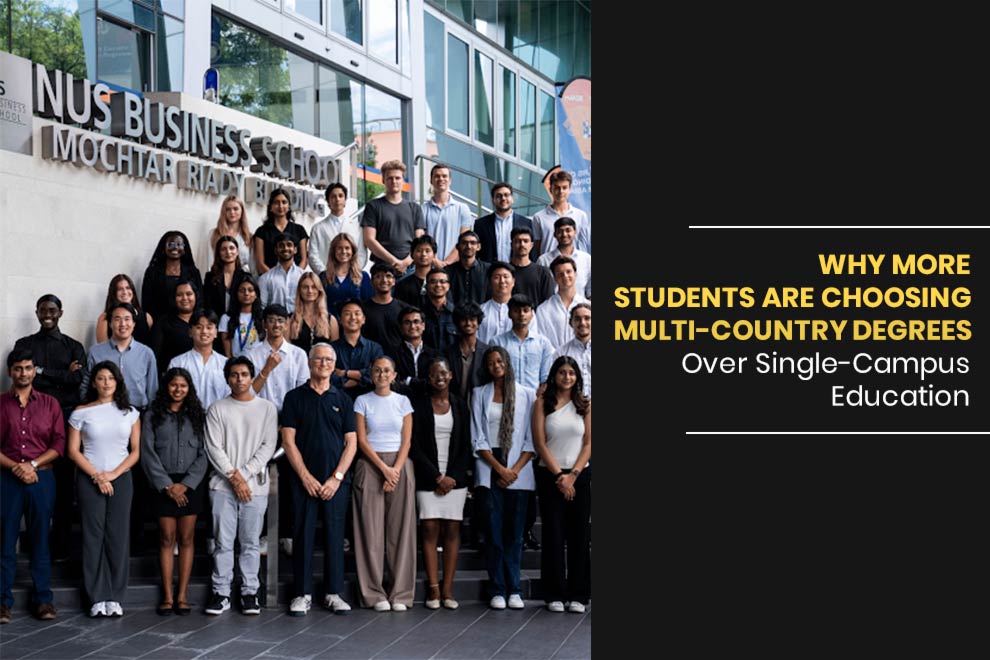
This shift in perspective is fueling a massive spike in interest surrounding multi-country degrees and global undergraduate programs. High-achieving undergraduates no longer want to just read about global markets; they want to live, work, and build companies inside them. The core appeal here goes way beyond collecting passport stamps; it is about training your brain to think clearly when the rules of the game change around you.
The Advantage of Choosing Multi-Country Degrees
When you choose a traditional university, you get deeply familiar with one specific academic culture and local environment. It is comfortable, but it can also be limiting. In contrast, business schools like Tetr and their multi-country curriculum introduce students to an entirely different format.
Instead of staying on a single campus and in a comfort zone, students find themselves in new surroundings every few months. While the core academic syllabus remains cohesive, the external environment shifts radically. One semester you are navigating the tech hubs of Silicon Valley, and the next you are analyzing supply chains in India or consumer behavior in Dubai.
The Market Intelligence That Comes with Multi-Country Degrees
Let’s be honest: you can teach core economic theory anywhere in the world. But successfully executing a business strategy requires local nuance that textbook case studies simply cannot capture. A growth strategy that triggers explosive success in a Western market might completely fail when applied to consumers in Southeast Asia. Regulatory hurdles, regional purchasing power, and cultural expectations vary wildly from border to border. By committing to study in multiple countries, students get a front-row seat to these real-world friction points.
Instead of debating abstract international corporate strategies in a classroom, choosing multi-country degrees can help you watch real businesses pivot in real time. Students see firsthand how multinational brands alter their pricing, marketing, and leadership styles to survive in diverse ecosystems. That hands-on exposure builds a level of practical business instincts that you just cannot replicate on a single, isolated campus.
Learning Business by Building Businesses in Multiple Countries
The most prestigious global programs do not just shuffle students between classrooms for the sake of it; they tie every single location to tangible execution. This philosophy is exactly what drives modern, disruptive models as the ones found at Tetr College of Business.
As a new-age business school built for the future, Tetr rejects the traditional theoretical model. Instead, their cohorts travel through major global economic capitals, building ventures, and immersing in the local businesses and culture in each country. The goal here is to build real-world business judgment by testing your ideas across completely different cultural and financial landscapes.
Are Multi-Country Degrees Right for Everyone?
A multi-country degree demands a massive amount of personal accountability, flexibility, and grit. Moving your life every few months can be exhausting, and it requires you to manage uncertainty like a professional. The real question isn’t which educational model is universally superior.
The question is: what kind of thinker and leader do you want to become? Tetr’s global undergraduate programs are tailored for students who value experiential learning over classroom lectures.
Also Read: 7 Best Degree Programs for Becoming a Pilot in the US (2026)