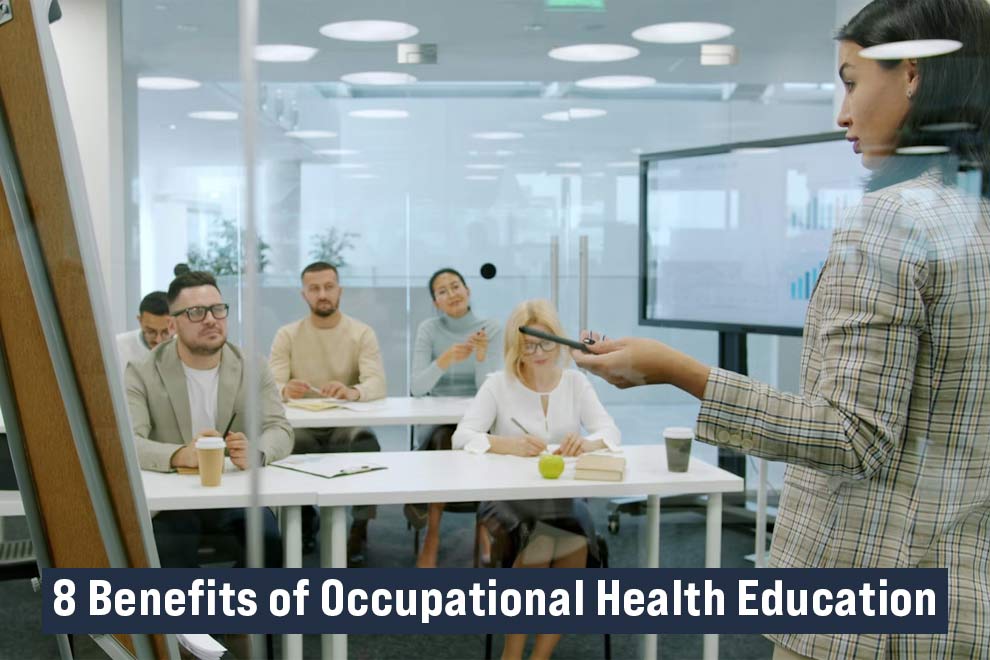
Occupational health education plays an essential role in creating a safe, healthier, and more productive workplace. It equips employees and employers with the knowledge they need to recognize hazards, prevent work-related injuries, and manage health risks before they worsen.
Beyond simply complying with regulations, occupational health education fosters a culture of responsibility, safety, and well-being across various organizations. Since workplace demands are increasing each day, read on to discover why this education is non-negotiable.
Better Safety Awareness
Occupational health education improves safety awareness by teaching workers how to identify hazards, follow procedures, and use protective equipment correctly. It helps employees understand the risks associated with their tasks and boosts their welfare. This means that workers will be more alert, responsible, and committed to maintaining a safer workplace.
Reduced Workplace Absenteeism
Proper occupational health education reduces workplace absenteeism by promoting healthy work practices, injury prevention, and early problem recognition. Employees will better understand how to manage physical and mental stress, avoid common workplace hazards, and get timely support. All of these lead to fewer work-related injuries and faster recovery.
Reduced Workplace Risks
With occupational health education, there are fewer workplace risks because employees can identify, evaluate, and control hazards more effectively. Workers usually learn safe procedures, proper equipment use, and risk prevention strategies in these programs. This knowledge enables them to reduce exposure to physical and chemical hazards. The results are:
- Fewer accidents
- Improved safety performance
- A more secure working environment
- Faster risk control
- Less disruptions
Increased Productivity
This kind of education boosts productivity by helping employees work safely, efficiently, and confidently. When workers understand ergonomics, proper techniques, and health practices, they suffer fewer injuries and less fatigue. A healthier workforce remains focused, motivated, and engaged, helping organizations increase performance and reduce downtime.
Cost Reduction
Since occupational health education minimizes workplace injuries, illnesses, and accidents, it cuts costs for organizations. Fewer incidents lower medical expenses, compensation claims, and insurance costs. Properly educated employees also stick to safe practices, reducing equipment damage and downtime. Organizations save money via efficiency and fewer losses.
A Safer Workplace Culture
Education on occupational health encourages shared responsibility and, in turn, promotes a safer workplace culture. Employees will be more aware of risks, communicate hazards, and consistently follow safe practices. This awareness builds trust, accountability, and proactive behavior that make safety a daily priority rather than a set of rules enforced only sometimes.
Better Hazard Response and Timely Support
Occupational health education trains employees to recognize warning signs and act quickly during emergencies. Workers can learn first-aid basics and escalation processes. Beyond the workplace, this education equips people with responses to specific conditions.
For instance, people who initially worked with asbestos should understand everything about the health issues it causes. They should also know other details, such as the mesothelioma payout timeline, to get the support they need.
Regulatory Compliance
Occupational health education helps employees understand workplace safety laws, standards, and best practices, hence supporting regulatory compliance. With this education, organizations can implement proper procedures, documentation, and reporting processes. Educated workers are more likely to follow guidelines accurately. This means that there will be fewer violations and penalties.
End note
Occupational health education offers several benefits, including better safety awareness, less absenteeism, reduced risks, and increased productivity. Other advantages are cost reduction, a safer workplace culture, better hazard response, and regulatory compliance.