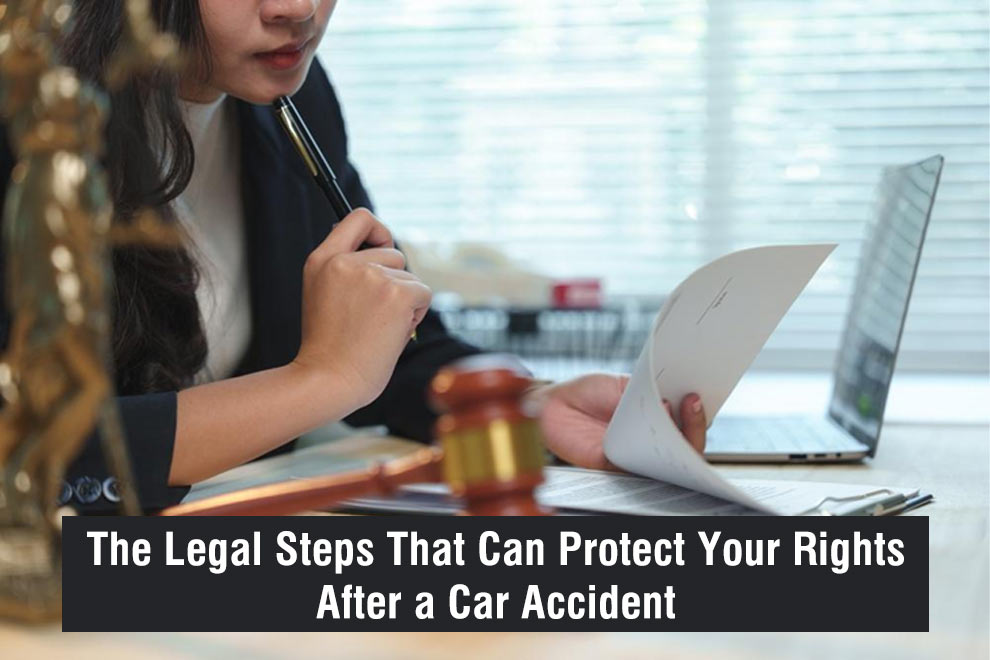
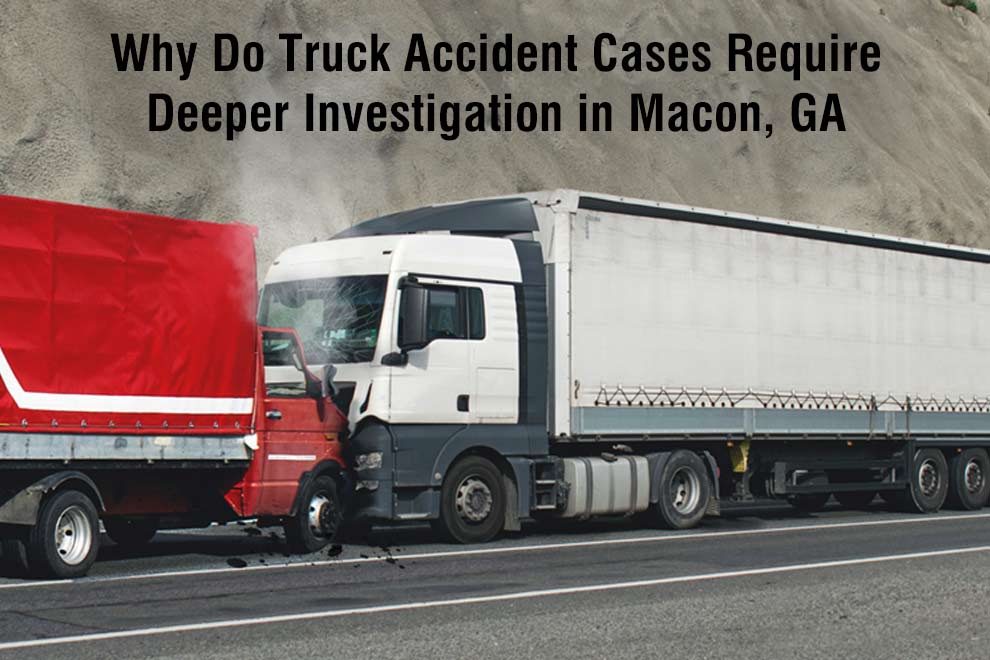
Establishing negligence is vital to winning personal injury compensation claims in Yuba City, California. According to the California Office of Traffic Safety, Sutter County reported over 850 traffic collisions in 2022, with many resulting in injury claims that required proving negligence to secure fair compensation. Success in a negligence claim often hinges on identifying the critical elements that comprise negligence, and working with a qualified Yuba City personal injury lawyer can make the difference between a successful claim and a denied one.
Understanding these legal components and how to effectively present your case is essential for anyone pursuing compensation after an injury. This article will discuss these fundamental elements and provide practical guidance on how to best build and present your negligence case.
Understanding Negligence
The legal definition of negligence occurs when one party fails to act as a reasonable person would under similar circumstances, thereby causing harm to another party. To prevail in a personal injury case, you must prove that negligence occurred by establishing four key elements: duty of care, breach of duty, causation, and damages. Each element must be clearly demonstrated with evidence to build a successful claim.
Duty of Care
Duty of care serves as the foundation for any negligence claim, requiring that the defendant owed a legal obligation to act reasonably toward the plaintiff. This means the defendant had a responsibility to avoid conduct that could foreseeably cause harm to others. For example, drivers have a duty to operate their vehicles safely and follow traffic laws to prevent accidents. Establishing this element can be challenging and often depends heavily on the relationship between the parties and the specific circumstances surrounding the incident.
Breach of Duty
After establishing a duty of care, you must prove that the defendant breached this duty through their actions or inactions. A breach occurs when the defendant’s conduct falls below the standard of care that a reasonable person would exercise under similar circumstances. Evidence such as witness statements, surveillance videos, photographs, and expert testimony can be crucial in demonstrating that the defendant acted negligently and failed to meet their legal obligations.
Causation
Causation creates the essential link between the defendant’s breach of duty and the plaintiff’s injuries. You must demonstrate that the defendant’s negligent actions directly caused the harm suffered. This element involves two components: factual causation and legal causation. Factual causation requires proving that the injury would not have occurred without the defendant’s conduct, while legal causation demands showing that the damages were a foreseeable result of the breach. According to the National Highway Traffic Safety Administration, establishing clear causation is often the most complex aspect of personal injury cases, as it requires detailed analysis of the chain of events leading to the accident.
Damages
The final element requires proving that the plaintiff suffered actual, measurable damages as a result of the defendant’s negligence. Damages may include physical injuries, emotional distress, medical expenses, lost wages, and property damage. Documentation such as medical records, hospital bills, employment records, and expert testimony from healthcare professionals can help substantiate damage claims. Thorough documentation of all losses strengthens your case and helps ensure you receive appropriate compensation.
Gathering Evidence
Strong evidence forms the backbone of any successful negligence claim. Essential documentation includes medical reports, police reports, photographs of the accident scene, and any physical evidence from the incident. Witness statements can provide valuable third-party perspectives that support your version of events. Additionally, expert testimony from medical professionals, accident reconstruction specialists, or other relevant experts can help explain complex aspects of your case to judges and juries.
Legal Support
Engaging experienced legal assistance significantly improves your chances of success in personal injury claims. A skilled attorney can guide you through the complex legal process, ensure all procedural requirements are met, and present your case effectively. Lawyers can also handle negotiations with insurance companies, gather necessary evidence, and represent you in court if a trial becomes necessary to achieve fair compensation.
Common Challenges
Several complications can arise when proving negligence in personal injury cases. Disputes may emerge regarding whether the defendant owed a duty of care to the plaintiff or whether the defendant’s actions actually caused the injury. Comparative negligence can complicate matters when the plaintiff shares some responsibility for the accident, potentially reducing the compensation awarded. Insurance companies often challenge claims aggressively, making experienced legal representation particularly valuable in overcoming these obstacles.
Settlement Negotiations
Most personal injury cases resolve through settlement negotiations rather than going to trial. Understanding the true value of your claim is crucial during these discussions. An experienced attorney can evaluate the strength of your evidence, calculate appropriate compensation amounts, and negotiate effectively with insurance companies and opposing counsel. Strong documentation and a well-prepared case significantly improve your negotiating position and increase the likelihood of achieving a favorable settlement.
Conclusion
Proving negligence in personal injury compensation claims requires demonstrating four essential elements: duty of care, breach of duty, causation, and damages. Building a strong case depends on gathering compelling evidence and securing experienced legal representation to navigate the complex legal process. Understanding these fundamental aspects and preparing thoroughly enables claimants to pursue their cases with confidence and maximize their chances of obtaining the compensation they deserve for their injuries and losses.
Also Read; Personal Injury Compensation Guide for Queensland