Some school systems carry a sense of continuity that is hard to miss. Generations pass through the same classrooms, and over time, those spaces begin to reflect not just education, but community identity.
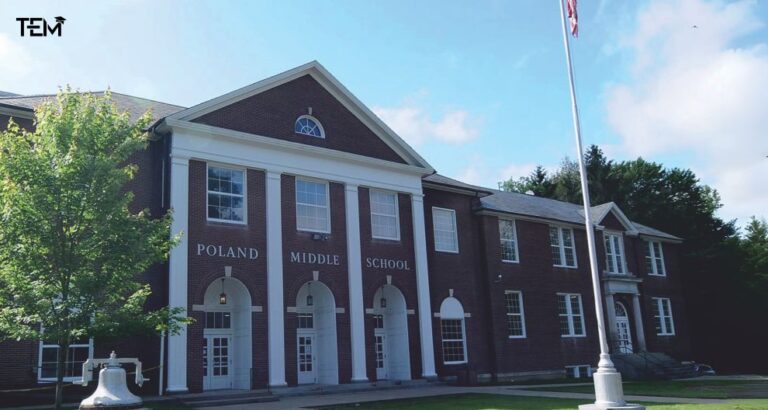
That continuity is evident in Poland Local Schools, where the roots of learning stretch back to 1802. What began as early schooling in a developing community has grown into a district that now serves students across three schools: McKinley Elementary, Poland Middle School, and Poland Seminary Junior/Senior High School. Though the structure has evolved, the sense of connection between school and community has remained steady.
The district’s direction is shaped by a clear and direct mission: to educate, empower, and inspire every student at every opportunity. This focus carries into its vision of becoming a leading center of learning, built not on scale, but on consistency in how students are supported.
Core values guide that work in practical ways. Student well-being is placed at the center, while respect, accountability, and collaboration shape daily interactions. There is also a strong emphasis on community involvement, reflecting the role families continue to play in the life of the schools.
Over time, the district has adapted to changing expectations in education while holding on to what defines it. The goal remains steady: to provide a well-rounded experience that prepares students for what comes next while remaining grounded in the community it serves.
A Small Structure with Clear Continuity
In a district of this size, the path from early learning to graduation feels more connected. Poland Local Schools serves students through four schools: Dobbins Early Learning Center for preschool, McKinley Elementary for grades K through 3, Poland Middle School for grades 4 through 6, and Poland Seminary Junior/Senior High School for grades 7 through 12.
All campuses serve the village and township of Poland, Ohio. Because the system is small, students move through familiar settings, often with the same peers and a consistent sense of community as they progress from one stage to the next.
Programs That Grow with Students
Academic experiences across the district reflect both recognition and opportunity as students move forward. Both McKinley Elementary and Poland Middle School were named 5 Star Buildings in the 2022–2023 school year, reflecting consistent performance and student outcomes at the foundational levels.
By the time students reach Poland Seminary High School, opportunities expand into college and career-focused learning. Through College Credit Plus partnerships with Youngstown State University and Kent State University, students collectively earn more than 1,200 college credit hours each graduating year.
Programs in digital media add another dimension. Students work in areas such as graphic design, video editing, and programming, with their work often used in real settings, including athletic scoreboards and live game broadcasts in collaboration with local partners.
Defining Excellence Beyond Academics
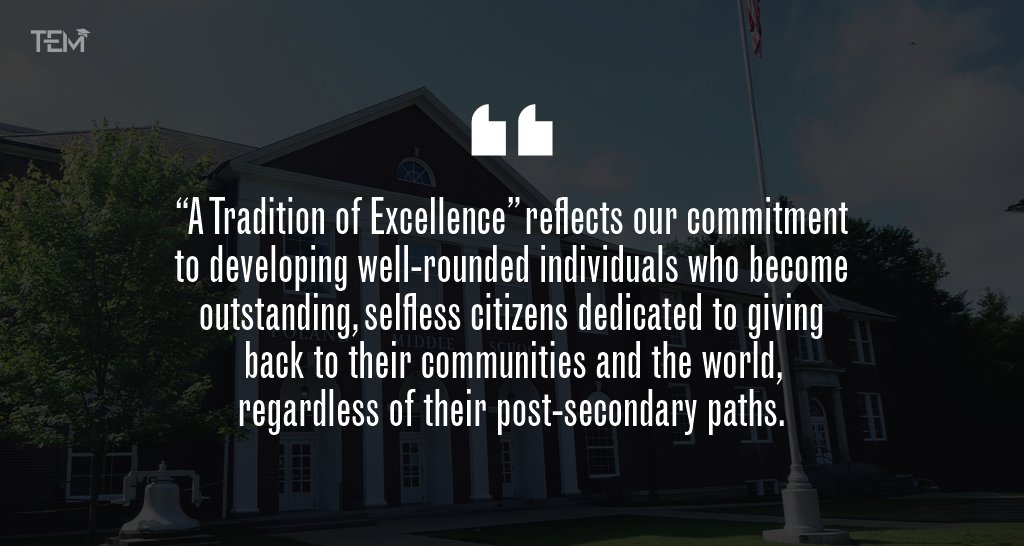
A phrase used often in the community, “A Tradition of Excellence,” carries a clear expectation. It is not limited to academic results, but extends to how students grow as individuals.
The focus of the school remains on developing students who take responsibility, contribute to their communities, and continue learning beyond school. Progress is measured through both academic growth and character.
Planning is guided by data and clear communication. Priorities include strengthening early literacy, implementing Multi-Tiered System of Supports, and maintaining alignment across curriculum and assessment to ensure consistent learning outcomes.
Supporting Different Ways of Learning
Learning rarely follows a single pattern, and classrooms reflect that difference every day. As a result, instruction at the schools is shaped around individual needs rather than a fixed approach. English Learner services begin with early identification and continue through targeted support in reading, writing, speaking, and listening, often through collaboration between specialists and classroom teachers.
Support starts early, with intervention at the preschool level and regular monitoring as students progress. Classrooms use a mix of tools, including tutoring, technology, and differentiated instruction, to adjust learning based on student needs.
At the same time, attention is given to the whole student. Counseling, activities, and a strong sense of belonging help students stay engaged while balancing academic challenge with the support needed to succeed.
Building Relationships Through Everyday Involvement
Partnerships at Poland Local Schools are not occasional. They show up in small, repeated interactions that become part of school life. Parents play an active role through the McKinley and Middle School PTO, supporting programs and organizing events such as book fairs, skate nights, and community fundraisers. These efforts directly support student activities and create regular points of connection between families and schools.
Community organizations add another layer. The Poland Rotary and its Interact Club involve students in service across the community, while the Poland Schools Foundation provides classroom grants and scholarships, supporting both students and teachers.
Civic partnerships are equally visible. Local police departments provide school resource officers and use school facilities for training, while the fire district works with younger students through visits, safety programs, and ongoing engagement.
A Campus Life That Keeps Students Involved
The arts hold a strong presence in the community. Performing groups, including marching band, concert bands, chamber choir, and drama, bring students together for more than fifty public performances each year. Recognition at the state level, including Scholastic Art and Writing Awards and All-State Band selection, reflects the level of participation and commitment.
Student-led groups such as Kindness Club, PANDA Club, and Student Council offer additional ways to stay involved and contribute to school culture. Athletics also play a central role. With more than twenty teams and close to a third of students participating, recent seasons have included conference championships and multiple state qualifiers across several sports.
How the District Operates Behind the Scenes
Leadership across the district is organized across clearly defined responsibilities. The Superintendent sets direction, works with the Board of Education, and guides long-term planning, while the Assistant Superintendent focuses on curriculum, instruction, and overall school performance.
Financial planning is managed by the Treasurer, who oversees budgeting, funding, and long-term financial stability. Day-to-day operations, including facilities and maintenance, fall under the Director of Operations.
Student support is coordinated through the Director of Student Services, with school psychologists contributing to evaluations and individualized plans. Technology systems are managed by the Director of Technology, while athletics, food services, and transportation are each led by dedicated directors.
Additional roles, including preschool leadership and communications, ensure that early learning and community engagement remain aligned with district priorities.
Creating Access and Support Where Needed
Meeting students where they are begins with recognizing that support cannot be uniform. Equity across campuses is addressed through targeted academic and instructional support. Early literacy and math interventions, tutoring, and after-school programs help students who need additional assistance, while access to Advanced Placement, College Credit Plus, and career pathways ensures opportunities remain open.
Instructional materials are designed to reflect diverse perspectives, helping students see themselves in their learning. Progress is monitored closely, allowing staff to identify gaps early and adjust support so each student has a fair chance to succeed.
Support That Extends Into Everyday School Life
Support at Poland Local Schools is part of the daily routine, not something separate from it. Students take part in career exploration, small group support, and peer programs like reading buddies and Kindness Club. Counseling, wellness initiatives, and community partnerships add another layer of care. Safety, academics, and student well-being are handled together, creating an environment where students feel supported as they move through each stage of school.
Quote
Also Read: The 10 Most Admired School Districts 2026