In today’s fast-evolving academic and career landscape, soft skills for students have become just as critical as grades and technical expertise. Employers, universities, and educators increasingly agree that success depends not only on what students know, but on how they communicate, collaborate, adapt, and think critically.
Whether a student is preparing for higher education, internships, or their first job, soft skills shape academic performance, professional readiness, and long-term career growth. Skills like communication, emotional intelligence, and problem-solving directly influence classroom participation, teamwork, leadership potential, and employability.
The good news? Soft skills are not innate talents reserved for a few; they are learnable, measurable, and improvable through intentional practice and guided development.
Here’s a quick overview of the most important soft skills for students:
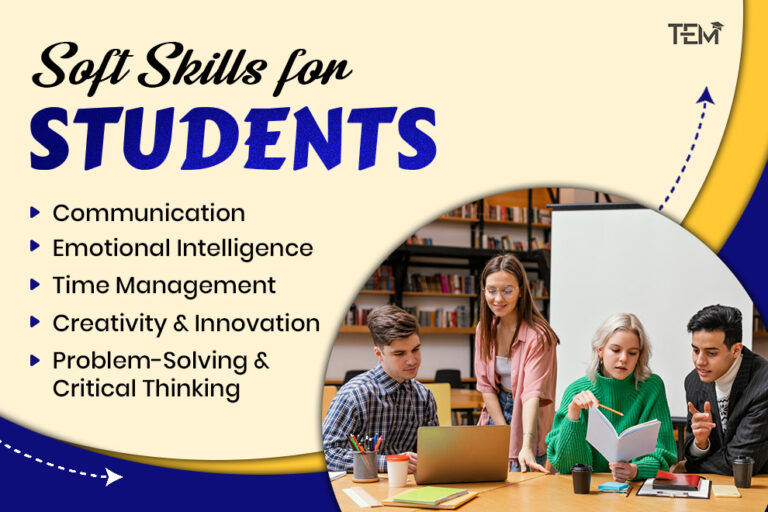
- Communication
- Emotional Intelligence
- Time Management
- Creativity & Innovation
- Problem-Solving & Critical Thinking
- Interpersonal Skills & Teamwork
- Public Speaking & Presentation Skills
- Adaptability & Resilience
- Flexibility & Lifelong Learning
- Digital Literacy & Collaboration
Keep reading to discover how to develop each skill step by step, with actionable tips, examples, and exercises that set you apart academically and professionally.
What Are Soft Skills and Why Do They Matter
Soft skills are personal, social, and cognitive abilities that influence how students interact with others, manage challenges, and perform in academic or professional environments. Unlike hard skills such as coding, accounting, or laboratory techniques, soft skills are transferable across disciplines and careers.
According to the American Psychological Association (APA), soft skills play a vital role in academic success because they affect collaboration, emotional regulation, stress management, and social adaptation. For example, a student may excel in technical subjects but struggle in group assignments without strong communication or teamwork skills.
Research across education and workforce development consistently shows that students who develop soft skills early demonstrate higher academic engagement, stronger leadership abilities, and better career outcomes.
Soft Skills vs Hard Skills
| Skill Type | Description | Examples | Measurability |
| Hard Skills | Technical knowledge gained through study | Coding, data analysis, and lab skills | Exams, certifications |
| Soft Skills | Behavioral and interpersonal abilities | Communication, empathy, teamwork, adaptability | Observation, feedback |
Key Insight: Hard skills help students qualify for opportunities. Soft skills determine how well they perform, collaborate, and grow within themselves.
Why Soft Skills for Students Matter More Than Ever
Today’s learning environments and future workplaces are dynamic, collaborative, and global.
Students with strong soft skills are more likely to:
- Perform better academically in presentations, group work, and discussions.
- Manage stress and pressure during exams and transitions.
- Stand out to recruiters during interviews and internships.
- Adapt quickly to new technologies, learning formats, and roles.
Example Scenario: A robotics team, for instance, may have excellent technical knowledge. But without communication, conflict resolution, and time management skills, even the best ideas can fail to translate into results.
Pro Tip: Soft skills developed during school compound over time, influencing not just academic success but confidence, leadership, and lifelong employability.
10 Essential Soft Skills Every Student Should Master
1. Communication Skills
Why Communication Skills Matter for Students
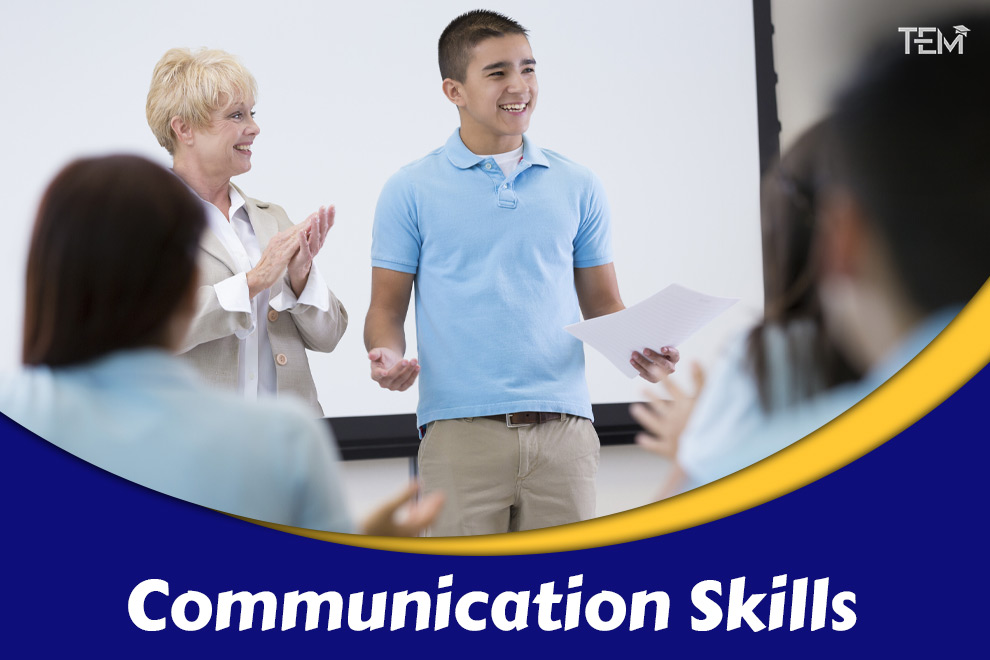
Among all soft skills for students, communication consistently ranks as the most critical. It influences classroom participation, academic writing, presentations, group projects, and professional interactions. Strong communication is not limited to speaking fluently; it includes active listening, clarity of expression, feedback interpretation, and non-verbal cues.
Research Insight: Research demonstrates that students engaged in collaborative learning activities show significant improvements in communication skills, which supports stronger performance in group academic tasks and presentations.
Practical Examples in Student Life
- Participating in group discussions or debates in class.
- Delivering presentations or pitches for projects.
- Writing clear, concise emails for academic inquiries.
How Students Can Improve Communication Skills
- Record yourself explaining a topic to a peer and review clarity.
- Practice summarizing complex ideas in under 60 seconds.
- Join a student club or society to build interpersonal speaking skills.
Pro Tip: Incorporate non-verbal communication practices, such as eye contact, posture, and gestures, to enhance your overall presence.
2. Emotional Intelligence (EQ)
Why Emotional Intelligence Is a Key Soft Skill for Students
Emotional intelligence refers to a student’s ability to understand, manage, and respond to emotions, both their own and those of others. As one of the most important soft skills students need, EQ plays a crucial role in academic resilience, teamwork, and mental well-being.
Research Insight: Meta‑analytic research reveals that emotional intelligence is positively associated with academic performance, suggesting that emotionally competent students handle challenges, collaboration, and learning more effectively.
Real-World Academic Applications
- Navigating conflicts in group assignments.
- Responding empathetically to classmates’ feedback.
- Recognizing personal stress triggers and managing them.
How to Build Emotional Intelligence as a Student
- Maintain a daily reflection journal to track emotional responses.
- Practice active listening during group projects or discussions.
- Participate in role-playing scenarios to understand different perspectives.
Pro Tip: Pair EQ development with mindfulness exercises to improve focus, reduce anxiety, and enhance decision-making.
3. Time Management

Why Time Management Is Essential for Students
Time management is one of the most practical academic soft skills students can develop. Balancing coursework, exams, extracurricular activities, internships, and personal responsibilities requires structured planning and prioritization.
Research Insight: Educational research published in journals such as Frontiers in Education consistently links structured time management strategies with improved academic performance, reduced stress, and higher task completion rates among students.
Common Student Challenges Time Management Solves
- Procrastination before exams or submissions.
- Overcommitment to activities without planning.
- Difficulty balancing academic and personal time.
Proven Time Management Strategies for Students
- Create a daily priority list using the Eisenhower Matrix (urgent vs important).
- Break study sessions into Pomodoro intervals (25 min focus, 5 min break).
- Review your weekly schedule every Sunday and adjust for efficiency.
Pro Tip: Track wasted time and identify patterns where procrastination occurs. Then, replace low-value activities with skill-building exercises.
4. Creativity & Innovation
Why Creativity Is a Critical Soft Skill for Students
Creativity is no longer limited to the arts; it is one of the most valuable 21st century soft skills for students across disciplines. In academic settings, creativity enables students to approach problems from multiple angles, synthesize ideas across subjects, and develop original solutions rather than replicating standard answers.
Research Insight: Educational psychology and pedagogy research published in journals such as the Journal of Educational Research highlights that creativity-focused learning environments enhance critical thinking, cognitive flexibility, and problem-solving ability among students.
How Creativity Shows Up in Student Life
- Designing unique solutions for a science or business project.
- Experimenting with multiple approaches to an assignment or case study.
- Combining knowledge from different subjects to solve interdisciplinary problems.
How Students Can Actively Develop Creativity
- Brainstorm multiple solutions to a single problem and evaluate each.
- Engage in activities like art, coding challenges, or writing to stimulate divergent thinking.
- Join innovation competitions or hackathons to test ideas in real-world scenarios.
Pro Tip: Maintain a “creative notebook” to capture ideas, inspirations, and reflections daily.
5. Problem-Solving & Critical Thinking
Why Problem-Solving Skills Matter for Students
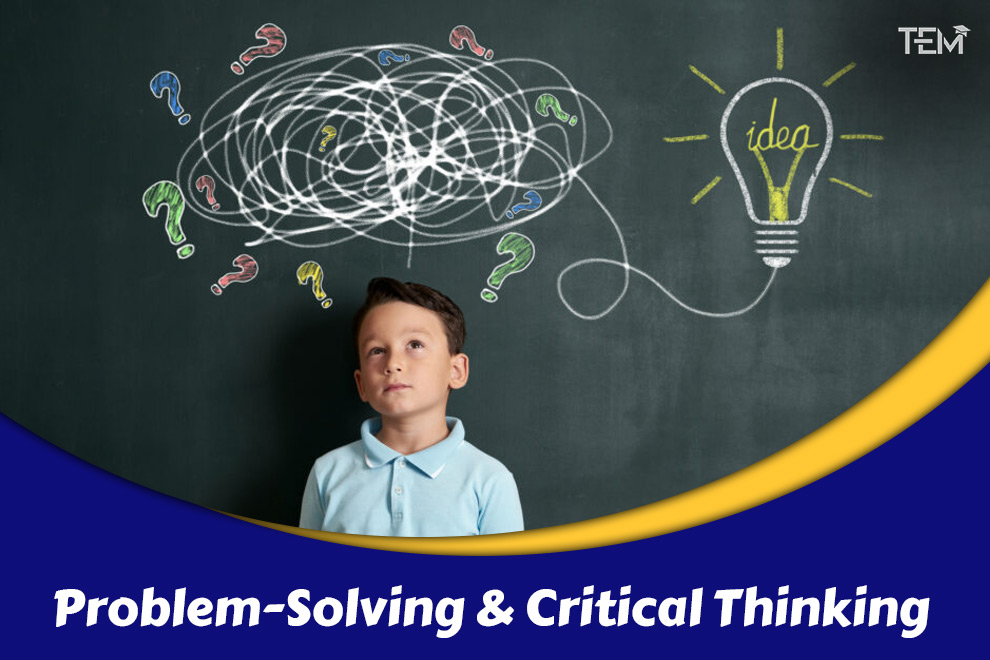
Problem-solving and critical thinking are among the most important soft skills for students because they define how effectively students analyze information, make decisions, and respond to complexity. These skills are central to academic research, exams, case studies, and collaborative assignments.
Research Insight: Higher education research consistently shows that students trained in critical thinking frameworks perform better in analytical assignments, case-based learning, and collaborative problem-solving scenarios.
Academic and Real-World Applications
- Resolving conflicts in group projects.
- Addressing gaps in research assignments.
- Evaluating multiple perspectives before concluding.
How to Strengthen Problem-Solving as a Student
- Solve case studies or scenario-based questions.
- Practice questioning assumptions and reasoning logically.
- Reflect on past challenges and analyze what strategies worked or failed.
Pro Tip: Combine problem-solving with creativity, and look for innovative solutions rather than standard answers.
6. Interpersonal Skills & Teamwork
Why Interpersonal Skills Are Essential Soft Skills for Students
Interpersonal skills allow students to build meaningful relationships, collaborate effectively, and navigate social dynamics. Teamwork is essential for group projects, presentations, and extracurricular activities. Employers increasingly value candidates who can work in diverse teams and contribute positively.
Research Insight: Studies in applied education research show that students with strong interpersonal skills demonstrate higher engagement, reduced conflict, and more productive group outcomes.
How Teamwork Shapes Academic and Career Outcomes
- Mentoring peers in academic tasks.
- Participating in student clubs or organizations.
- Collaborating on team-based competitions or research projects.
Employers increasingly assess teamwork ability during interviews and internships, making this one of the most important soft skills for students entering the workforce.
How Students Can Strengthen Interpersonal Skills
- Role-play scenarios to practice conflict resolution.
- Seek feedback from peers on teamwork and collaboration.
- Engage in group brainstorming sessions to improve contribution quality.
Pro Tip: Pair interpersonal skills development with active listening exercises to better understand teammates and respond effectively.
7. Public Speaking & Presentation Skills
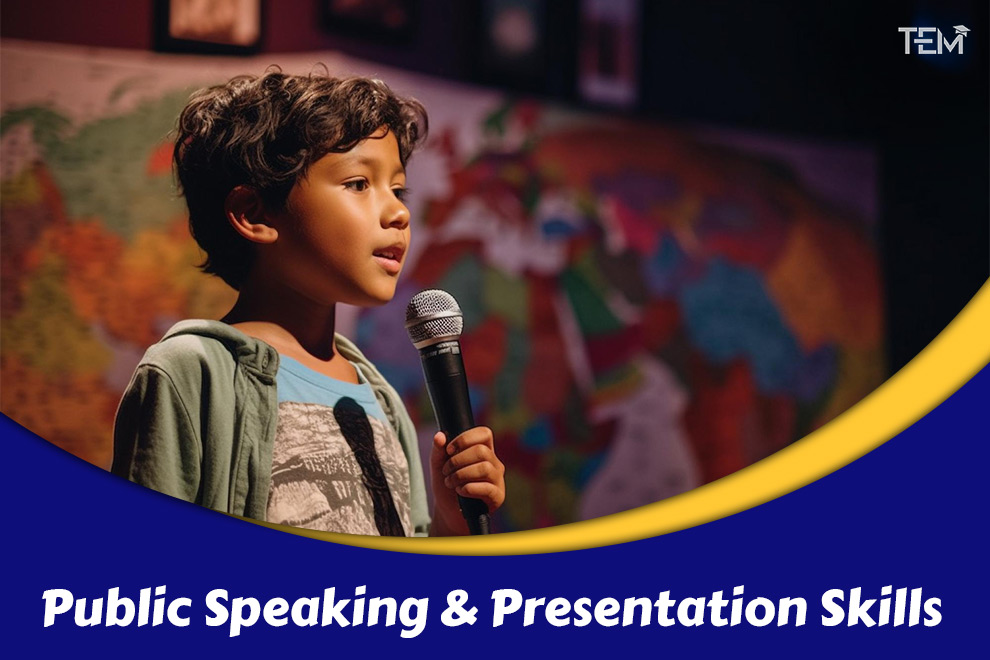
Why Public Speaking Is a High-Impact Soft Skill for Students
Public speaking is one of the most visible and confidence-defining soft skills students can develop. It influences academic performance in presentations, seminars, and classroom participation and later becomes essential in professional meetings, leadership roles, and client interactions.
Research Insight: Educational communication studies consistently report that regular presentation practice improves confidence, articulation, and academic participation among students.
Academic Situations Where This Skill Matters
- Delivering presentations in class or online forums.
- Leading group discussions or workshops.
- Participating in speech competitions or debates.
Students who communicate ideas clearly are more likely to be perceived as competent, prepared, and leadership-ready both academically and professionally.
How Students Can Improve Public Speaking Skills
- Record presentations and review tone, clarity, and pacing
- Practice storytelling techniques to engage the audience.
- Start small: speak in front of a few peers, gradually increasing audience size.
Pro Tip: Pair public speaking with visual aids and body language practice to create a compelling presence.
8. Adaptability & Resilience
Why Adaptability Is a Core 21st Century Soft Skill for Students
Adaptability is the ability to adjust effectively to change, uncertainty, and new environments, making it one of the most critical modern soft skills for students. From shifts in learning formats (offline to online) to evolving academic expectations, students are constantly required to recalibrate how they learn and perform.
Research Insight: Harvard Business Review and educational psychology research emphasize that resilience supports sustained performance, motivation, and learning under pressure.
Where Students Apply Adaptability in Real Life
- Adjusting to new online learning platforms or curricula.
- Recovering from a poor test or project grade.
- Managing unexpected group project changes.
How to Build Adaptability and Resilience as a Student
- Set small, progressively challenging goals to build confidence.
- Reflect on past failures and extract learning points.
- Take part in diverse group activities to practice adaptability.
Pro Tip: Use stress management techniques like mindfulness or deep breathing to enhance resilience during challenging situations.
9. Flexibility & Lifelong Learning
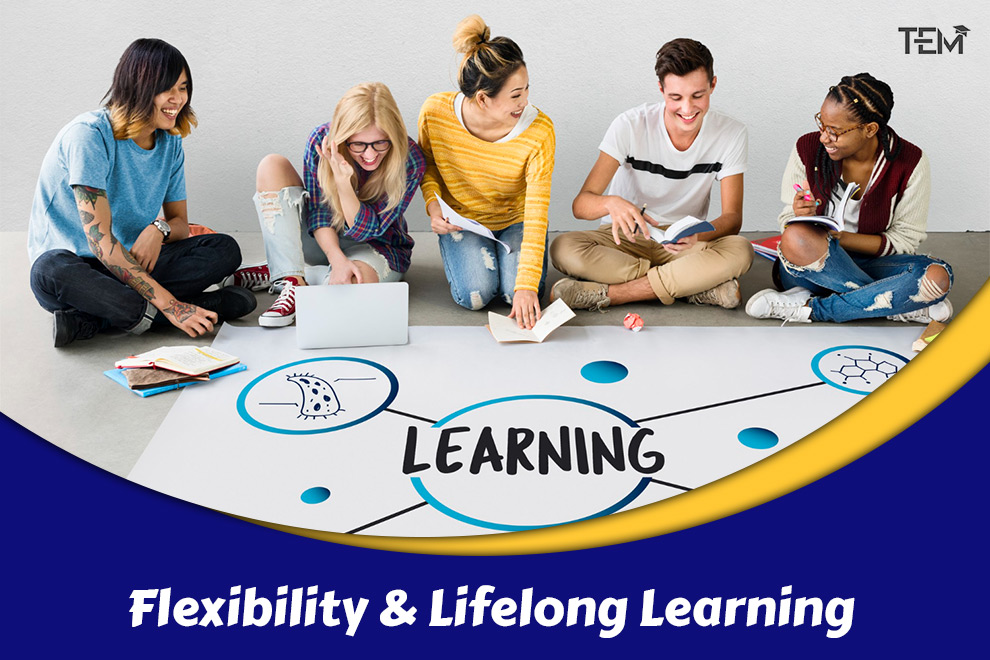
Why Willingness to Learn Is a Major Soft Skill for Students
Flexibility and a willingness to learn are essential for students to stay relevant academically and professionally. These skills foster curiosity, open-mindedness, and the ability to adapt to new ideas or technologies.
Research Insight: Education research consistently links continuous learning habits with stronger innovation capacity and problem-solving performance.
Examples of Lifelong Learning in Student Life
- Taking additional online courses or workshops.
- Learning from diverse disciplines outside your major.
- Adapting to new classroom technologies or methodologies.
How Students Can Develop Flexibility
- Set monthly learning goals outside your curriculum.
- Attend webinars, conferences, or online masterclasses.
- Experiment with different study techniques to find what works best.
Pro Tip: Combine flexibility with feedback-seeking behavior, and adjust strategies based on constructive criticism for accelerated growth.
10. Digital Literacy & Collaboration
Why Digital Literacy Is a Non-Negotiable Soft Skill for Students
Digital literacy is no longer optional; it’s essential. Students must navigate software, communication tools, and collaborative platforms effectively to succeed academically and professionally.
Research Insight: UNESCO (2023) reports that students proficient in digital collaboration tools demonstrate 25% higher productivity and engagement in remote or hybrid learning environments.
Where Digital Collaboration Matters Academically
- Collaborating on Google Docs or Sheets for group projects.
- Using Slack, Zoom, or Microsoft Teams for team communication.
- Creating presentations, reports, or digital portfolios.
How Students Can Strengthen Digital Soft Skills
- Participate in virtual project collaboration.
- Learn advanced functions in commonly used tools (Google Workspace, Zoom, Trello).
- Share and receive feedback using online collaboration platforms.
Pro Tip: Combine digital literacy with effective communication for seamless virtual teamwork and professional presence.
Key Takeaways: How Soft Skills Shape Student Success
Soft skills for students are not abstract personality traits; they are trainable, measurable competencies that directly influence academic performance, employability, and long-term career growth.
Students who intentionally develop soft skills tend to:
- Communicate ideas with clarity and confidence.
- Collaborate effectively across diverse teams.
- Manage time, pressure, and expectations strategically.
- Adapt faster to academic, technological, and workplace changes.
Most importantly, these skills compound over time. A student who builds strong communication, emotional intelligence, and adaptability early gains exponential advantages throughout higher education and professional life.
Bottom line: Hard skills may open doors, but soft skills determine how far students go once inside.
Integrating Soft Skills with Hard Skills
High-performing students do not treat soft skills and hard skills as separate. Instead, they integrate them intentionally.
| Hard Skill | Supporting Soft Skill | Outcome |
| Technical knowledge | Communication | Clear explanations, better grades |
| Data or research skills | Critical thinking | Stronger analysis and conclusions |
| Subject expertise | Teamwork | Higher project impact |
| Digital tools | Adaptability | Faster learning, better output |
Actionable Strategy for Students:
Maintain a simple skills tracker where you log:
- One hard skill improvement per month.
- One soft skill practice habit per week.
This approach aligns with how top universities and employers evaluate readiness, not just grades.
My Final Take on Why Soft Skills Define Student Success
In a competitive, global, and rapidly evolving world, soft skills for students are no longer optional add-ons; they are foundational to academic achievement and long-term career relevance.
Classrooms today demand collaboration, presentations, and applied thinking. Workplaces expect adaptability, communication, and problem-solving well beyond technical expertise. Even research, leadership, and entrepreneurship rely on emotional intelligence and interpersonal effectiveness.
Students who intentionally build soft skills are better equipped to:
- Perform better academically.
- Navigate stress and failure more effectively.
- Build stronger professional networks.
- Remain relevant across changing industries.
What matters most: Knowledge opens doors. Soft skills determine how far students go once inside.
If this perspective resonated with you.
Share it with a student, educator, or parent who’s thinking seriously about future-ready education. The right skills, developed early, can shape confidence, capability, and opportunity for life.
FAQs
1. What are the most important soft skills for students today?
The most important soft skills for students today include communication, emotional intelligence, time management, problem-solving, teamwork, adaptability, creativity, and digital collaboration. According to global employer and education studies, these skills directly influence academic performance, employability, leadership potential, and long-term career success across industries.
2. Why are soft skills important for students’ academic and career success?
Soft skills are important for students because they determine how effectively students apply knowledge, collaborate with others, manage stress, and adapt to change. Research consistently shows that employers prioritize communication, adaptability, and critical thinking over grades alone, making soft skills essential for both academic achievement and career readiness.
3. How can students develop soft skills during school or college?
Students can develop soft skills through regular practice, such as participating in group projects, presentations, debates, internships, and extracurricular activities. Reflective journaling, peer feedback, time management tools, and online learning platforms also help students intentionally build communication, adaptability, and problem-solving skills.