Imagine a world where the lights don’t turn on, packages never arrive, and our cities stop growing. Scary, right? That’s the reality without the true heartbeat of our society. Did you know the sheer number of these heroes has skyrocketed by a massive 80% today? It’s astounding.
We are talking about the people who pour their sweat and grit into making sure businesses—and our lives—run like clockwork. Whether it’s raw physical strength or specialized expertise, blue-collar workers are the unsung champions defining our success.
Yet, heartbreakingly, their contribution often goes underestimated. In this piece, we aren’t just listing facts; we are taking a deep dive into their history, the hurdles they have braved, and the bright future ahead. Get ready to have your perspective shifted and your respect deepened. Let’s explore the engine room of our economy.
1. What Is a Blue-Collar Worker?
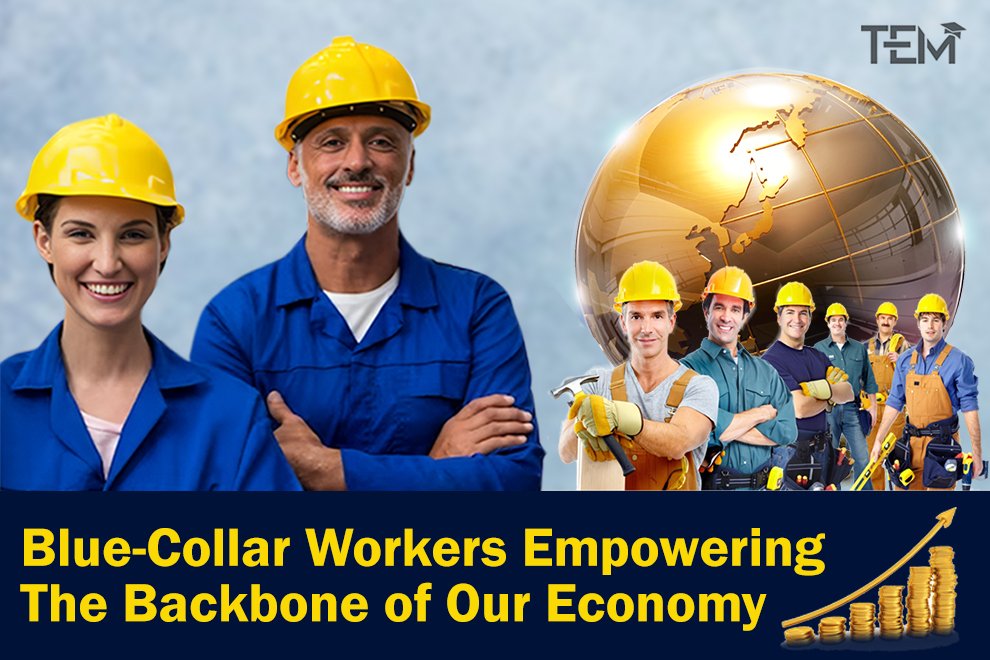
So, who exactly are these folks? Blue-collar workers are the incredible individuals who make up the working class. They perform manual labor, relying heavily on specific skills, expertise, and often, sheer physical endurance to get the job done efficiently. They are the ones with boots on the ground.
This line of work encompasses a massive variety of essential roles. We are talking about everything from Manufacturing, Mining, and Construction to Power plant operations. It includes the gritty reality of Fieldwork, Custodial work, Electricity generation and maintenance, and Waste management. Even the Driving professionals who keep supply chains moving fall under this umbrella. It’s a vast, vital ecosystem.
2. Origins of Blue Collar
Ever wondered where the name comes from? It’s a fascinating slice of history. The term “blue-collar workers” actually first popped up in 1924 regarding trading jobs. Back then, these hard workers typically wore uniforms made of robust cotton fabrics—think blue trousers, blue types of denim, or blue chambray shirts.
Why blue? It wasn’t just fashion; it was practical. The navy or light blue shades were perfect for hiding the grease and grime that naturally built up during physically demanding tasks. It created an impression of cleanliness. Since wages were modest, washing clothes constantly just wasn’t financially viable, so the illusion of cleanliness was crucial. It’s amazing to see that industries still favor blue for boiler suits today to safeguard workers’ attire. Tradition meets function!
3. Educational Qualifications Needed
Here is the great news: entering this field doesn’t always require the same long list of degrees as white-collar roles. To work as a blue-collar worker, you don’t strictly need specific educational requirements. Often, a high school diploma or completing a General Education Development (GED) is enough to get your foot in the door.
However, don’t mistake this for ‘unskilled.’ Certain high-level jobs might ask for some initial experience. Plus, industries tied to technical or vocational fields could demand government certifications. Just remember, these requirements can vary from country to country and state to state, so it’s always good to check local standards.
4. Why Are Blue-Collared Workers Important?
Why do we call them the backbone? Because they truly are. Blue-collar workers are critical for some powerful reasons:
- Operational Heartbeat: In the world of businesses, they play a vital role as the backbone, ensuring smooth operations and functioning. Without them, things stop.
- Heavy Lifting: They engage in physical labor and operate heavy machinery, tools, and equipment. Plus, they often offer customer assistance as required.
- Mentorship: In their effort to save money, they utilize their expertise and experience to train incoming freshmen. That knowledge transfer is priceless!
- Brand Ambassadors: They act as the embodiment of the company’s values and goals when interacting with clients, customers, and other stakeholders.
- Skill Mastery: Highly skilled professionals demonstrate adeptness in managing complex tasks with ease.
- Productivity Boosters: Their presence in the workforce contributes directly to increased company productivity.
- Team Building: In certain instances, they may even be responsible for hiring additional workers.
5. Challenges
It’s not all smooth sailing, though. Despite their invaluable support, these professionals face some heartbreaking challenges. Let’s look at what they are up against:
- Lack of Awareness of Opportunities: It’s frustrating, but many workers are unfamiliar with modern platforms like LinkedIn or apps due to a lack of technological proficiency. Traditional media like newspapers often overlook postings for blue-collar jobs, limiting visibility.
- Temporary Work: This is a major stressor. For numerous workers, jobs offer only temporary happiness. Positions are often seasonal or contract-based, lasting only a year or a few months. That uncertainty breeds constant anxiety and endless job hunting.
- No Proper Skill Evaluation: A significant number of workers lack a clear understanding of their own skills. This leads them to randomly pursue any available job, often failing to find a suitable fit. It forces them into a cycle of continuous experimentation to find their path.
- Middle Men: Because workers may not be tech-savvy, they rely on intermediaries. These middlemen can dictate work conditions and pay, leading to potential exploitation.
- Fake Jobs: This is the most upsetting part. Workers are susceptible to scams by middlemen or deceptive newspaper ads, resulting in financial losses. They also fall victim to fraudulent calls or fake internet opportunities.
Acknowledging these issues is the first step businesses must take to create a more supportive environment.
6. Jobs In Demand
Curious about where the opportunities lie? Here are some jobs in demand for blue-collar workers, along with what they actually pay:
- Construction laborer: This role involves pure physical labor—debris removal, loading/unloading, operating heavy machinery, and reviewing blueprints. You also handle post-shift cleaning and safety.
- Average Annual Salary: $49,871 Per Year
- Painting and Coating workers: These pros paint everything from machinery and buildings to vehicles and jewelry. They also apply protective coatings. It’s physically demanding and requires experience.
- Average Annual Salary: $38,740 Per Year
- Welder: These skilled professionals use soldering techniques to join metal pieces. They review blueprints and measure components with precision.
- Average Annual Salary: $57,766 (Dependent on experience)
- Electricians: A classic skill-based job. They maintain, install, and repair electrical equipment, review transformers, and inspect circuit breakers.
- Average Annual Salary: $53,980 Per Year
- Chefs: Working in restaurants, chefs need culinary expertise that matches the specific role. Theoretical knowledge is a plus here.
- Average Annual Salary: $31,000 Per Year
- Drivers: Whether it’s heavy or light vehicles, this skilled labor job involves transporting passengers or cargo. A valid license is non-negotiable.
- Average Annual Salary: $78,302 Per Year
- Technicians: This is a high-level job involving the installation and repair of machinery. You need substantial experience and a solid educational background.
- Average Annual Salary: $68,523 Per Year
- Mechanic: Responsible for repairing business or commercial machinery. Like technicians, a good educational background is necessary.
- Average Annual Salary: $63,295 Per Year
- Carpenters: Highly skilled and in significant demand among blue-collar workers, they craft furniture for commercial purposes.
- Average Annual Salary: $18,300 Per Year
- Farm laborers: This involves long hours on the farm. It’s often seasonal and commercial, but doesn’t entail highly specialized skills.
- Average Annual Salary: $21,000 Per Year
7. The Future
What does the horizon look like? Honestly, it’s looking robust. Job opportunities for blue-collar workers have experienced rapid growth since the onset of the COVID pandemic. Just imagine, it is projected that during the holiday season, hiring will witness an increase of 7 million jobs! Looking ahead, a substantial growth in blue-collar employment is expected, indicating a demand for millions more skilled workers by 2030.
Now, what about the robots? While the implementation of AI may impact some high-profile jobs, positions involving physical labor are not currently at significant risk. However, sectors like technical, mechanical, health, and transportation could see changes. But here is the silver lining: AI can actually assist workers in handling complex tasks, offering valuable support rather than just competition.
My Opinion
It is high time we flip the narrative. As we look at the data, one thing is crystal clear: blue-collar workers are not just a cog in the machine; they are the machine. We must move past simply acknowledging them to actively uplifting them. Respect is the currency they’ve earned, but fair compensation and modern job-seeking solutions are what they desperately need.
The resilience shown during the pandemic proves their indispensability. While AI enters the chat, it should serve as a tool in their hands, not a replacement. Let’s stop underestimating this powerhouse. By bridging the tech gap and ensuring safety from scams, we empower the very backbone of our economy to stand taller than ever before. Found this insightful? Don’t keep it to yourself! Share this blog with your friends, and let’s spread the respect these workers deserve!
Simran Khan
ALSO READ: White-Collar Workers: The Cogs and Wheels of The Economy