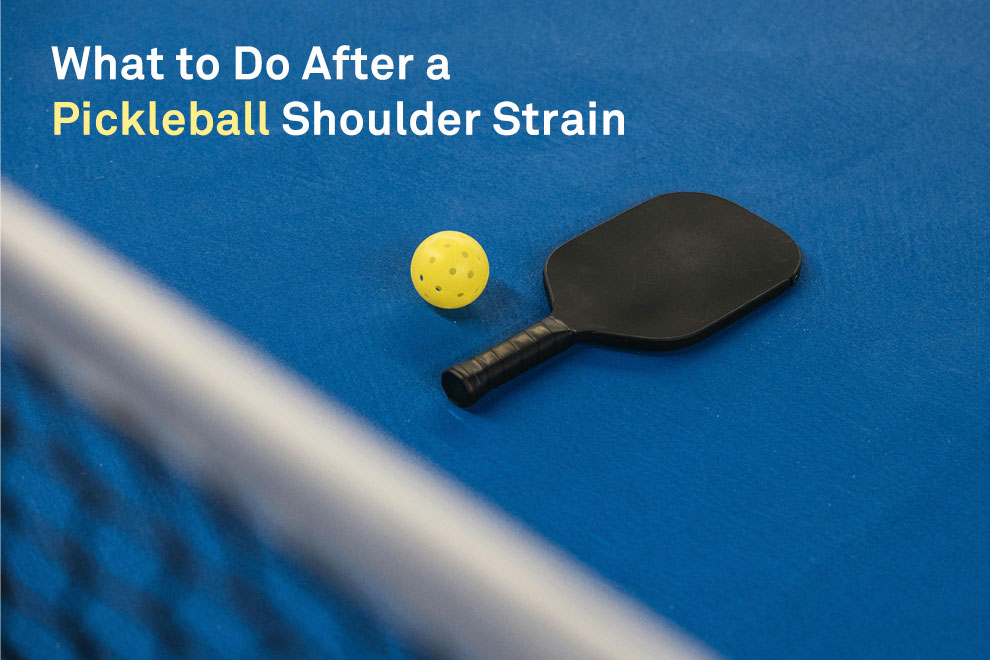
A pickleball shoulder strain can sneak up on you. One day you are fine, then your next serve feels sharp and wrong. If you act early, most strains calm down faster and do not keep coming back. South Florida physical therapy can help you recover with a clear plan, not guesswork. The goal is simple: reduce pain, protect the shoulder while it heals, then rebuild strength so you can play again. This is where best practitioners matter, because small mistakes early can drag the injury out.
Stop Playing Right Away
It is tempting to keep playing when the pain is mild, but swinging on a strained shoulder is similar to running on a twisted ankle. The damage often builds quietly and becomes worse later. Sharp pain, sudden weakness, or an unstable feeling are signs your shoulder needs a pause. Avoid heavy serves and overhead shots while it settles. A short break of a couple days often protects healing tissue and keeps a small strain from turning into a bigger setback. Many South Florida physical therapy plans begin with simple limits like these rather than complete rest.
Ice the Shoulder Correctly
Ice helps most in the first couple of days because it reduces swelling and takes the edge off pain. The goal is simply to calm things down. Use an ice pack for 15 to 20 minutes with a thin towel between your skin and the ice. Do this a few times a day, especially after activities that make the shoulder ache. Stop early if the area gets numb or uncomfortable. Think of ice as turning the pain volume down. Many South Florida physical therapy plans pair ice with gentle movement to keep the shoulder loose while it heals.
Use Gentle Shoulder Movement
Total rest can make a sore shoulder stiff, so gentle motion is better. Let your arm hang and do small pendulum swings, then add light shoulder rolls and easy movement as long as it stays comfortable. Do not force overhead or behind the back if it hurts. The goal is smooth, relaxed motion, not deep stretching. If pain jumps from mild to sharp, stop. Many South Florida physical therapy routines use this early movement phase to prevent stiffness and keep daily tasks from feeling harder.
Avoid Heavy Lifting and Reaching
Everyday tasks can stress a healing shoulder more than you realize. Lifting a backpack, reaching for a high shelf, or carrying groceries with a straight arm all count as extra strain. Avoid overhead lifting, heavy pushing or pulling, and sudden reaching for now. If you sleep on the sore side, switch positions or support the arm with a pillow. These small changes let the shoulder heal without constant irritation. Many South Florida physical therapy plans include these adjustments because daily habits can slow recovery even when you are not on the court.
Use Pain Relief Wisely
Over the counter pain relief can make the day easier, especially if soreness is interrupting sleep, but it should not be a shortcut back to pickleball. Pain medicine can hide signals your body is trying to send, which can lead to a bigger strain if you push too soon. Think of it this way: pain relief should support recovery, not replace it. If you need medication just to lift your arm or get dressed, your shoulder still needs rest and a clear plan. Many South Florida physical therapy programs track pain patterns so you can see real progress instead of masking symptoms.
Strengthen Supporting Muscles Gradually
Once the pain settles, strength work becomes your best protection. The shoulder performs better when the shoulder blade and upper back are stable and strong. Light resistance and slow, controlled movements like band pulls, shoulder blade squeezes, and gentle rotations build stability without flare ups. Sharp pain means adjust or stop. Mild soreness is fine, but lingering pain is not. Strength should feel like steady progress. Many players turn to South Florida physical therapy to pick safe exercises and increase difficulty at the right pace for overhead shots.
Adjust Your Playing Schedule
Coming back too fast is a common reason strains return. Even if things feel better, your shoulder might not be ready for long matches, hard serves, or lots of overhead swings. Start with shorter sessions, lower intensity, and more breaks. Play every other day instead of daily at first. Warm up longer with light movement and easy hits. If pain shows up afterward, use it as feedback and dial things back next time. Think of your return as a ramp, not a jump. Many South Florida physical therapy programs use this step by step approach so you build tolerance without losing progress.
Watch for Warning Signs
Most mild strains settle down within a week or two with good care, but some signs mean you should take things more seriously. Pain that lasts beyond 7 to 10 days, pain that wakes you at night, or weakness that makes the arm feel unreliable are worth noting. Reduced motion, painful clicking, or numbness and tingling down the arm can also mean it is more than a simple strain. These signals should not be ignored. If your shoulder keeps acting up, South Florida physical therapy can help find the cause and create a plan that fits your daily life and pickleball goals.
Parting Words
A pickleball shoulder strain is frustrating, but it’s very manageable when you act early. Stop playing for now, use ice to calm pain, keep the shoulder moving gently, and skip heavy lifting or awkward reaching. After the irritation settles, focus on the “why” by improving technique and strengthening the shoulder and upper back. Returning slowly gives the joint time to handle repeated swings again, which helps you avoid the same injury cycle. With support from South Florida physical therapy experts, you can rebuild strength, protect the joint, and get back to playing without worrying about the pain returning.