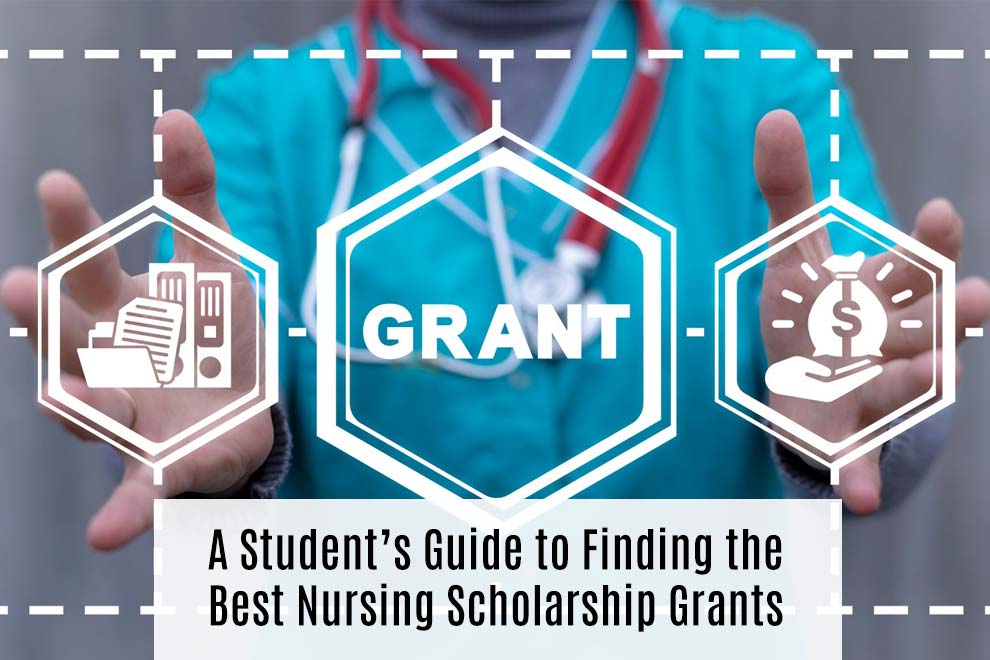
Navigating the financial landscape of nursing education requires a proactive and informed approach. The journey to becoming a nurse involves significant academic and personal investment, and strategic financial planning is a critical component of success. Scholarship grants, which don’t require repayment, represent the most advantageous form of funding. A successful search depends on understanding the diverse sources of awards, mastering a systematic application process, and leveraging resources efficiently.
This guide provides a comprehensive roadmap for students at all levels from prospective nursing assistants to doctoral candidates, to identify and secure the scholarships that best align with their academic and professional goals.
Understanding the Ecosystem of Scholarship Providers
A critical first step is to understand the broad ecosystem of scholarship providers. Funding originates from federal programs, national associations, private foundations, corporations, and local institutions. For instance, students in Idaho should explore partnerships like the Idaho Healthcare Institute, which exemplifies how state-level organizations can provide targeted resources and support for aspiring nurses. This model of local investment is mirrored across the country, highlighting the importance of investigating regional opportunities alongside national ones.
Familiarizing the Types and Sources of Scholarships
Categorizing scholarships by their provider can help students target their search effectively. Different sources have distinct missions and eligibility criteria, ranging from broad national programs to highly specific local awards. These sources include:
Federal and National Service Scholarships
These are typically among the most generous awards but come with post-graduation service obligations. For instance, the Health Resources and Services Administration (HRSA) administers programs like the Nurse Corps Scholarship Program (NSP), which covers tuition, fees. It provides a stipend in return for service at a Critical Shortage Facility.
Similarly, the U.S. Department of Health and Human Services offers scholarships for students committed to working in underserved communities. These are ideal for students with a demonstrated passion for public health and a willingness to fulfill a service commitment.
Professional Nursing Associations
Major organizations are pivotal funders dedicated to advancing the profession. For example, the American Association of Colleges of Nursing (AACN) partners with entities like Hurst Review to offer scholarships based on academic excellence. The Foundation of the National Student Nurses Association (FNSNA) also administers dozens of scholarships each year for students enrolled in state-approved programs. Moreover, specialty organizations offer awards to students pursuing those specific career paths, fostering the next generation of experts in the field.
Private Foundations and Corporate Awards
Numerous private entities support nursing education as part of their philanthropic missions. For instance, several corporations run long-standing campaigns to support the nursing workforce. These scholarships may be based on merit, essay submissions, or personal background and often require no service payback.
Institutional and Local/Regional Scholarships
A student’s own nursing school or university is a primary source of funding. Financial aid offices maintain lists of endowed scholarships for which only their students are eligible, typically based on criteria like hometown, heritage, or academic performance. As highlighted earlier, state-focused organizations and local community foundations can also provide critical support, offering awards that may have less competition than national programs.
Developing an Effective Search and Application Strategy
A methodical, organized approach separates successful applicants from those who merely submit forms. A strategic plan involves proactive searching, meticulous preparation, and compelling self-presentation. Here’s how to develop an effective search and application strategy:
Phase 1: The Targeted Search
Students are advised to begin the search by consulting the financial aid office at their school or prospective schools. Counselors have insider knowledge of lesser-known awards. Next, they should utilize reputable, free online databases. Many platforms allow filtering by degree level, specialty, and demographics. Students should also visit the websites of professional associations relevant to their interests directly.
Finally, they must conduct targeted searches for local civic groups, community foundations, and hospital foundations in their home region, which often sponsor healthcare scholarships.
Phase 2: Preparing a Winning Application
A strong application is a cohesive package that tells a compelling story. Here’s how to prepare a winning application:
Gather Core Documents Early
Students should prepare a professional resume detailing all healthcare experience, volunteer work, leadership roles, and academic honors. Securing two to three strong letters of recommendation from professors, academic advisors, or healthcare supervisors who know one’s work ethic and character intimately is also essential. Students should also request official transcripts before deadlines.
Craft a Powerful Personal Essay
The essay is at the heart of the application. It must move beyond stating a desire to “help people” and articulate a specific, authentic narrative. It’s best to discuss a pivotal experience that solidified one’s commitment to becoming a registered nurse, then clearly outline professional goals such as working with a medically underserved community or contributing to nursing education research.
Crucially, the essay should explain how the particular scholarship funding will help achieve these aims, whether by enabling enrollment at specific participating schools, supporting the academic progression toward a bachelor degree in nursing, or facilitating a seamless payment request process for educational expenses. Tailoring each essay to the mission of the scholarship provider remains a key advantage, demonstrating a genuine alignment with the award’s purpose.
Demonstrate Holistic Excellence
Scholarship committees evaluate candidates holistically, seeking evidence of both academic progression and well-rounded engagement beyond the classroom. A strong application should clearly document sustained involvement in relevant student organizations, impactful community service, and substantive leadership roles, all of which signal a candidate’s dedication to the nursing program and profession.
For awards based on financial need, such as specific nursing grants and scholarship funding, students must also be prepared to submit comprehensive supporting documentation, like FAFSA reports, to validate their eligibility.
Master Logistics and Deadlines
Students pursuing a bachelor degree in nursing are advised to create a master calendar with all deadlines and apply early, especially for scholarships with rolling deadlines, to secure timely scholarship payments and ensure continuous scholarship assistance throughout their nursing career.
Meticulous attention to detail is critical; students should proofread every component multiple times and ensure they have followed all formatting and submission instructions for scholarship awards precisely. This level of care is non-negotiable, as incomplete or error-ridden applications are typically dismissed immediately by committees. This professionalism can help protect the investment in one’s education and build the discipline required for clinical licensure exams and future practice, which may include serving a medically underserved community.
Navigating Post-Award Considerations and Additional Funding Avenues
Securing a scholarship is an achievement, but it’s often one part of a larger financial puzzle. Students should be aware of the obligations that may come up with an award and explore complementary funding sources. Below are some factors to consider:
Understanding Service Commitments
Students should carefully read the terms of any scholarship. High-value service scholarships require graduates to work in a designated high-need area for a specific period. While an excellent way to fund education, this is a binding commitment that shapes early nursing career choices. Students should ensure their long-term goals align with these requirements.
Investigating Loan Repayment Programs
For students who take out loans, federal and state Loan Repayment Programs offer a path to debt forgiveness after graduation. These programs can provide substantial loan repayment in exchange for service in Critical Shortage Facilities, similar to the service scholarship model, but acted upon after licensure.
Conclusion
Securing nursing scholarship grants is a proactive investment in a stable and rewarding career. The diligent process of researching opportunities, crafting compelling applications, and meeting obligations builds foundational skills in professionalism and perseverance.
By keeping the information mentioned above in mind, students can alleviate financial stress and affirm their commitment to joining a vital profession, entering the healthcare field with confidence and a solid footing for long-term success.