For years, virtual education carried a quiet reputation. It was convenient. It was flexible. It worked for some students and failed others. Families often chose it because they had to, not because they believed it offered something better. In South Carolina, that reality raised a harder question. What if online education could do more than replicate a classroom on a screen? What if it could offer structure, community, and real second chances? The Heron Institute emerged from that line of thinking.
More than a decade ago, the organization launched Cyber Academy of South Carolina, now in its twelfth year as a statewide K through 12 virtual public charter school. The goal was not to create an easier path. It was to build a rigorous academic program that gave families flexibility without sacrificing standards. The school proved that full-time virtual learning could serve thousands of students across the state while maintaining accountability and strong academic expectations.
Over time, patterns became clear. Many older students enrolling in virtual programs were not simply seeking flexibility. They were trying to recover lost ground. Some had been expelled. Some had disengaged from traditional schools. Others needed alternative pacing or closer coaching to stay on track. In 2023, The Heron Institute responded by launching Heron Virtual Academy of South Carolina. Now in its third year, the academy primarily serves students in grades eight through twelve who benefit from personalized pacing, structured coaching, and consistent adult support. The school will expand to include grades six and seven in the 2026–27 academic year.
That expansion marked a turning point. The Institute moved beyond a fully virtual model and began building what it calls an Enhanced Virtual ecosystem. Students still complete rigorous online coursework, but they also gather in Heron Institute Learning Labs and small community-based microschool cohorts. They meet in person. They work in small groups. They build relationships with mentors who know their names and their goals. The model draws on international study visits to Manchester, Sweden, and London, where leaders examined research on learner agency and small group instruction.
The Institute’s leadership has also taken its ideas beyond state lines, meeting with legislators in Washington, D.C., including discussions at the White House, to advocate for school choice and personalized learning. Those conversations reinforced a belief that strong education requires more than technology. It requires policy support, community partnerships, and thoughtful design.
Today, The Heron Institute presents a clear vision. Virtual education does not have to feel distant or transactional. With the right structure, it can be demanding, connected, and deeply personal.
A Philosophy Built on Agency and Access
The Heron Institute grounds its work in what it calls Enhanced Virtual education. Online instruction forms the academic backbone, but it does not stand alone. The model layers physical learning supports, structured mentorship, and community access onto a rigorous digital foundation. The goal is not convenience. The goal is ownership.
At the center of this philosophy sits a simple belief: students should help shape their learning. Education should not happen to them. It should happen with them. That belief guides advisory coaching, personalized pacing, competency-based progression, and project-based work tied to individual goals. Weekly coaching sessions, structured reflection, and goal setting appear directly on student schedules, not as extras but as core components.
International study visits in Sweden and the United Kingdom reinforced the Institute’s direction. Leaders observed small-group mentorship and relationship-driven instruction in practice. Those insights now inform a curriculum designed not just to deliver content, but to help students rebuild confidence and regain momentum.
Programs, Pathways, and Structure
The Heron Institute operates through two public schools: Cyber Academy of South Carolina (CASC), which serves students in kindergarten through grade twelve, and Heron Virtual Academy of South Carolina (HVASC), which primarily serves grades eight through twelve. Together, they serve over 5,000 students statewide, providing access to multiple academic pathways, including traditional virtual coursework, credit recovery, alternative pacing, and career-aligned programs.
The difference lies in the structure surrounding those pathways. Students may choose to remain fully virtual, attend Heron Institute Learning Labs, or join community-based microschool cohorts. Each option maintains full public school accountability while adding layers of tutoring, counseling, testing access, and small-group support.
Unlike many online models that rely heavily on independent screen time, the Institute blends live instruction with advisory coaching and in-person learning spaces. Microschools operate as localized cohorts, not separate campuses. Students follow the same statewide curriculum while benefiting from shared structure and consistent adult guidance.
A Foundation of Trust
The evolution from a standard virtual school to this enhanced ecosystem required more than internal ambition; it required permission to innovate. About five years after opening CASC, the organization transitioned to a new authorizer, the Charter Institute at Erskine.
That shift proved foundational. While the initial authorizer viewed virtual education with skepticism, Erskine brought a “support first” philosophy grounded in believing in the possibilities of charter schooling. This partnership created the stability and trust the Institute needed to iterate responsibly. It provided the space to demonstrate improvement and ultimately launch something as distinct as HVASC.
The collaboration also fueled the Institute’s pedagogical growth. The international study visits to Manchester, Sweden, and London, referenced throughout the Institute’s work, were connected to the Charter Institute’s Leadership Cohort for Current and Aspiring School Leaders. By investing in leadership development, the authorizer played a meaningful role in shaping the Institute’s thinking around learner agency, small-group coaching, and system design.
Leadership and the Idea of “Chapter One”
Ask the leadership team at The Heron Institute what matters most, and the answer comes quickly: Connection first. Trust and compassion close behind. High expectations always. They believe innovation has value, but relationships carry weight.
To students, their message is simple: your story is not finished. To families: you are partners in this work. To educators across the country: progress begins with people, not programs.
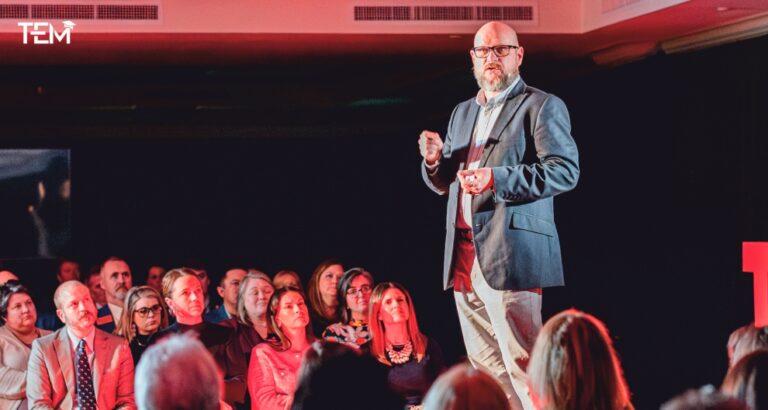
That perspective shapes the Institute’s direction under the leadership of David Crook, Chief Executive Officer of The Heron Institute. He leads both CASC and HVASC, along with blended initiatives such as Heron Institute Learning Labs and community-based microschools. He also serves as CEO of the Heron Foundation, which provides scholarships, graduation materials, temporary Wi-Fi access, and other essential support.
Crook often describes education as an origin story. Every learner deserves a Chapter One. Whether students learn at home, in a learning lab, or within a microschool cohort, the commitment remains steady: meet them where they are and help them move forward with confidence.
Access without Barriers
Admissions at The Heron Institute reflect its public mission. Both CASC and HVASC operate with open enrollment. There is no academic screening. Any student in South Carolina may apply. The Institute also accepts students who have dropped out or been expelled, a policy that sets it apart from many charter options in the state.
Equity is not a talking point here. It shapes daily operations. Both schools are Title I and serve high percentages of low-income students, students with disabilities, and students experiencing housing instability. The Institute provides laptops, internet access, meals, counseling, special education services, and transportation support for required in-person events.
Two years ago, leaders established the Heron Foundation to strengthen that commitment. The foundation funds scholarships, graduation caps and gowns, temporary Wi-Fi access, and other essentials. At The Heron Institute, access is not an add-on. It is the starting point.
Connection in a Virtual Classroom
In an online setting, distance can grow quickly if no one is intentional about closing it. At The Heron Institute, engagement begins with visibility. Students attend live classes, join small-group sessions, and participate in weekly advisory meetings. Cameras turn on. Names are known. Teachers use breakout rooms, shared documents, collaborative projects, and real-time discussion to keep lessons active rather than passive. But technology alone does not build accountability. Relationships do.
Every student is paired with an advisor or success coach who monitors progress, helps set goals, and stays in regular contact with families. These check-ins are not reserved for moments of concern. They happen consistently, whether a student is excelling or struggling. The message is steady: someone is paying attention.
When students realize their efforts are recognized and progress is valued, participation changes. Expectations become personal. Accountability transforms into a shared commitment rather than just a requirement outlined on a syllabus.
Personalization with Standards Intact
The Heron Institute serves students whose lives do not follow a single pattern. Some balance school with work. Some care for siblings. The Institute also serves a large and growing population of teen mothers; recognizing their unique challenges, the school has established a well-attended support group offering pre- and postnatal counseling, as well as essentials like diapers and formula. Some arrive with learning gaps. Others arrive ready to accelerate. The Institute does not lower its standards to accommodate that range. Instead, it adjusts the pathway.
Personalization drives the strategy. Students follow individual learning plans shaped by their goals, pace, and academic history. Teachers differentiate instruction and allow flexible pacing while aligning every course to state standards. Progress remains measurable. Expectations remain clear.
Academic flexibility also comes with structured support. The Institute provides special education services, counseling, social work, and targeted academic intervention. These wraparound services address barriers that extend beyond coursework. Emotional well-being receives the same attention as test performance.
The formula is steady: maintain high expectations and vary the route toward meeting them. By holding firm to its values while adapting delivery, The Heron Institute creates space for diverse learners to move forward without losing momentum.
Community as Classroom
Community partnership defines the Institute’s Enhanced Virtual model. Through Heron Institute Learning Labs and community-based microschool cohorts, The Heron Institute works with local organizations and families to create physical spaces that complement online instruction. These sites offer tutoring, counseling, testing access, mentoring, and structured peer interaction within familiar settings.
The impact extends beyond academics. Students connect learning to real people and real places. They build routines, relationships, and a sense of belonging. For many, that consistency restores momentum. In a model often associated with isolation, The Heron Institute anchors virtual education in community presence.
Leadership with Longevity
Behind the Institute’s growth stands a leadership team built for stability. Each school operates under an executive director, supported by chiefs who oversee academics, operations, student supports, and development. Instructional leaders and advisors extend that structure into daily practice, ensuring strategy translates into classroom experience.
Many senior leaders have served the organization for more than a decade. That continuity shapes culture. Decisions reflect long-term thinking rather than short-term trends. The team works through clear goals, regular data reviews, and collaborative planning cycles. Progress is measured. Adjustments are deliberate. Innovation moves forward, but never at the expense of academic quality or operational discipline.
Measured Growth, Meaningful Outcomes
In recent years, The Heron Institute has marked steady growth across its network. The launch of HVASC expanded access for older learners, while CASC continued to strengthen academic performance. For the past two years, CASC has outperformed the state in both its graduation rate and key college and career readiness indicators, a milestone once considered unlikely for a fully virtual model.
The Institute also opened its first Heron Institute Learning Lab locations, formalized microschool cohorts, and introduced structured small-group coaching. Retention and career readiness participation have improved, particularly among historically underserved students. The clearest measure of success, however, appears in renewed confidence and persistence among learners who once felt left behind.
Preparing Students for What Comes Next
Academic progress is only part of the picture. The Heron Institute builds support systems that extend beyond graduation requirements. Students receive career counseling, college planning guidance, mentorship opportunities, and access to mental health services. Workforce readiness initiatives introduce practical skills early, especially at the high school level.
Older students participate in resume workshops, interview preparation sessions, and structured career exploration activities. Advisors help them map out next steps, whether that path leads to a four-year university, technical training, or direct entry into the workforce. The Institute measures success not only by diplomas earned, but by preparedness. Graduation marks a milestone. Readiness defines the outcome.
Expanding the Model, Statewide
Looking ahead, The Heron Institute plans to expand Enhanced Virtual education across South Carolina. Leaders are growing the Heron Institute Learning Lab network, strengthening microschool partnerships, and embedding weekly small-group coaching across both schools. The aim is clear: every student, regardless of geography, should access physical learning supports alongside rigorous online academics.
On the academic front, the Institute is developing career-aligned pathways, alternative credential options, and competency-based supports for flexible pacing. Technology will continue to play a role, but as a tool for personalization, not replacement. The long-term vision includes HILL locations statewide, creating shared spaces for tutoring, counseling, testing, and community connection.
Quote
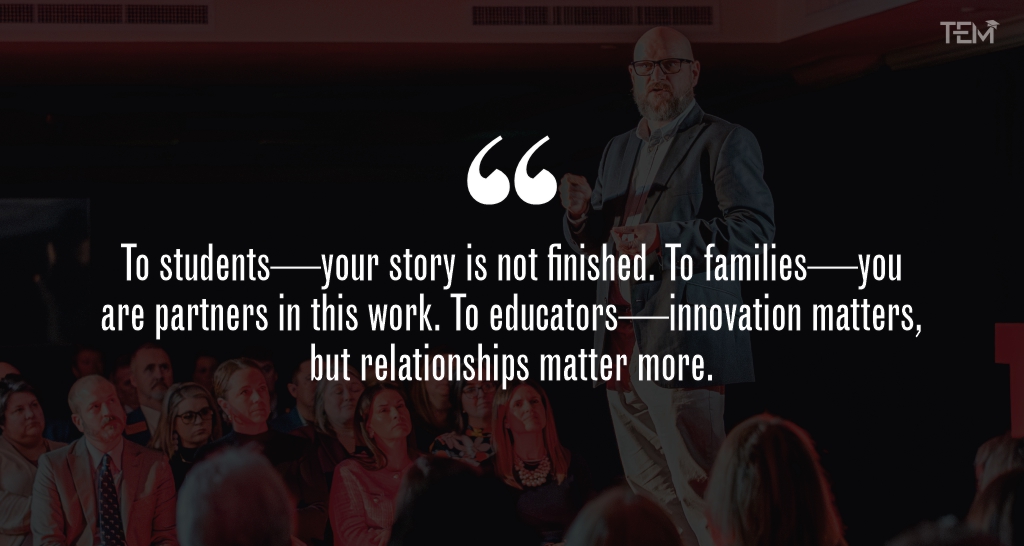
“To students—your story is not finished.
To families—you are partners in this work.
To educators—innovation matters, but relationships matter more.”
Also Read: Leaders Transforming Online & Hybrid Learning in 2026