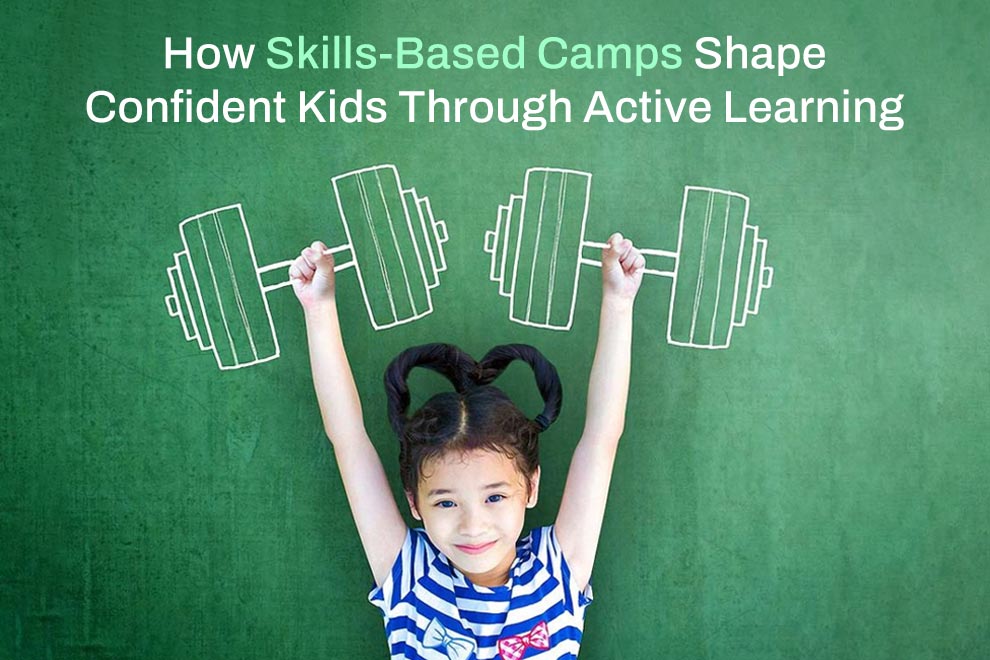
A fresh look at how active camps quietly build real confidence
Confidence in children does not appear overnight. It grows slowly, often through small wins that add up over time. A child learns to balance, to try again after falling, to speak up, to take part. These moments may seem minor, but they shape how kids see themselves. Many parents search for ways to support this growth, yet not every activity creates the same impact. The difference often lies in how skills are taught and practised.
That is why structured programs, like those offered through Pedalheads, have gained attention among families. These camps focus on real skills such as biking, swimming, trail safety, and soccer. Instead of pressure, they offer steady progress. Children learn at their own pace, guided by supportive instructors. This guide explores how these types of camps help kids build lasting confidence. You will discover what makes them effective, how they support growth, and why they leave a strong impression long after the camp ends.
What makes skills-based camps different from regular activities
Not all camps are created equal, and the difference becomes clear when you look closer. Skills-based camps focus on teaching one ability at a time. They break tasks into simple steps, making learning feel manageable. Kids are not rushed. Instead, they move forward when ready. This approach reduces fear and builds trust in their own abilities.
Another key difference is how progress is measured. Rather than competition, the focus is on improvement. A child who could not ride a bike on day one may ride confidently by the end of the week. That change matters more than winning a race. It builds self-belief.
These camps also offer structured routines. Children know what to expect each day. This creates a safe and predictable space. When kids feel safe, they are more willing to try new things.
Here is what sets them apart:
- Step-by-step skill learning
- Focus on personal progress, not competition
- Supportive and patient instruction
- Clear daily structure and goals
Over time, this method helps children feel capable. They begin to trust their efforts. And that trust becomes the base for confidence in other areas of life.
How physical skill learning builds strong mental confidence
When children learn physical skills, something deeper happens. It is not just about movement. It is about belief. Each time a child succeeds, even in a small way, they gain confidence. This builds a positive cycle. Try, succeed, feel proud, then try again.
Physical activities also teach resilience. Kids fall, miss a goal, or lose balance. But they get back up. They learn that failure is part of learning. This mindset is powerful. It stays with them beyond the camp.
Another benefit is independence. Children begin to rely on themselves. They learn to solve problems without constant help. This builds a sense of control over their actions.
These lessons grow through:
- Repeated practice and improvement
- Learning from mistakes without fear
- Building independence through action
- Gaining trust in their own abilities
Confidence built this way is real. It is not based on praise alone. It comes from experience. And that makes it stronger and longer-lasting.
Why variety in activities helps kids grow faster and better
Children benefit from trying different activities. Each skill teaches something unique. Biking improves balance and coordination. Swimming builds strength and safety awareness. Soccer teaches teamwork. Trail activities encourage focus and awareness of surroundings.
This mix keeps learning fresh. Kids do not get bored. They stay engaged and curious. When one activity feels hard, another may feel easier. This balance helps maintain motivation.
Variety also supports different learning styles. Some children learn best through movement. Others prefer group play. By offering multiple options, camps meet these different needs.
Here is why variety matters:
- Keeps children engaged and interested
- Builds multiple skills at once
- Supports different learning styles
- Helps children discover new interests
Over time, kids become more adaptable. They learn to adjust to new challenges. This flexibility boosts confidence in unfamiliar situations.
How guided support and encouragement shape lasting self-belief
Support plays a huge role in how children learn. In skills-based camps, instructors guide rather than push. They offer help when needed but allow children to try on their own. This balance is important.
Encouragement is also handled carefully. It is not just about saying “good job.” It is about recognizing effort. When children hear that their effort matters, they keep trying. This builds a growth mindset.
Peers also contribute to this environment. Kids see others learning and improving. This creates a sense of shared progress. It reduces pressure and builds connection.
Key elements of support include:
- Patient and clear instruction
- Focus on effort over results
- Safe space to make mistakes
- Positive peer interaction
With the right support, children feel seen and valued. They begin to believe in their own progress. And that belief carries into school, friendships, and daily life.
Where these small wins lead as children grow over time
The lessons learned in these camps do not stay in one place. They follow children into other parts of life. A child who learns to ride a bike may also feel ready to try new things at school. The connection is subtle but strong.
Confidence gained through action becomes part of their identity. They start to see themselves as capable. This changes how they approach challenges. Instead of avoiding them, they face them.
We see these changes build over time. Small wins become habits. Those habits shape stronger, more confident individuals. It is not about perfection. It is about progress and belief.
If you are thinking about ways to support your child’s growth, this path offers something meaningful. Start with one step, one skill, one experience. The rest often follows naturally.
Also Read: Global Conflicts and Education: The Crisis Disrupting Schools