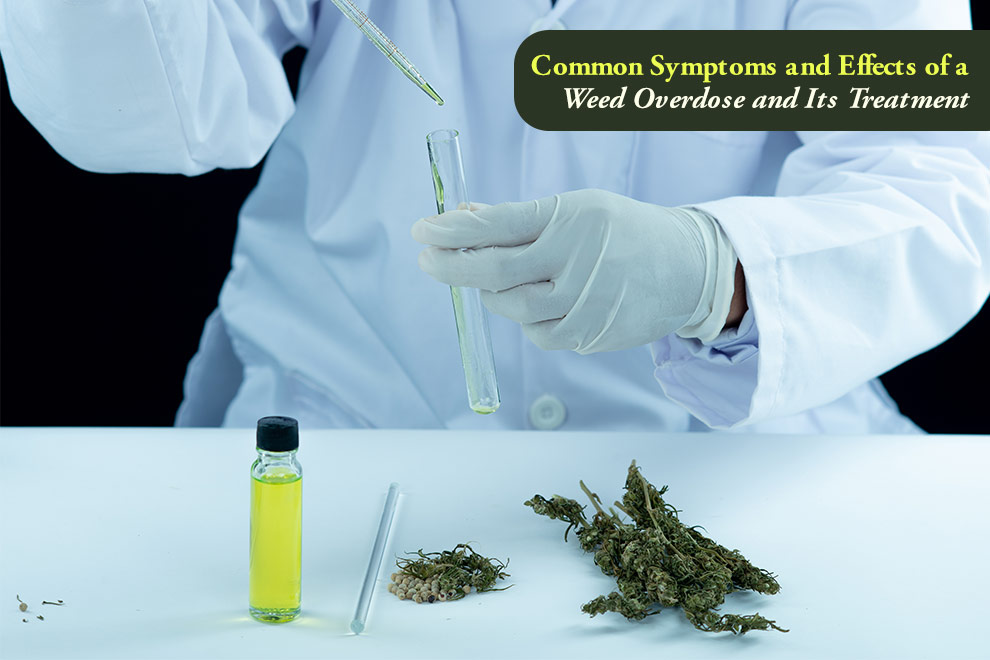
Cannabis use has surged in recent years. Yet many people still mix up a true overdose with just too much intoxication. Lethal overdoses from weed are almost unheard of. But severe reactions to high doses can send folks to the ER. Hospitals saw a 30% jump in cannabis-related visits from 2017 to 2021, per data from the CDC. This rise ties to stronger THC in today’s products. We will cover the main symptoms of weed overconsumption. You will learn its effects and how to treat it. This guide helps you spot issues early and know when to get help.
Identifying the Signs – Common Symptoms of Acute Cannabis Overconsumption
Physiological Reactions: What Happens to the Body?
Your body can react strongly to excess THC. Heart rate often spikes, leading to tachycardia. This feels like a pounding chest and can last for hours.
Blood pressure may climb too. Breathing speeds up as your system races. Some people face nausea or vomit right away.
These signs show weed overdose effects on your body in overdrive. They hit fast with smoking but build slow with edibles. Stay aware to catch them early.
Psychological Manifestations: Cognitive and Emotional Distress
THC messes with your mind at high levels. Anxiety can surge into full panic attacks. You might feel your heart race with fear.
Paranoia sets in for some. Thoughts turn dark and scary. In rare cases, temporary psychosis brings hallucinations.
Disorientation clouds judgment. Time feels off. Emotions swing wild. These mental hits can scare you most.
Motor Skill Impairment and Physical Discomfort
Coordination takes a dive. Walking gets wobbly, like after too many drinks. Dizziness makes the room spin.
Drowsiness pulls you down. Dry mouth turns severe, hard to swallow. Eyes go red from dilated vessels.
Seizures happen in those with risks, though it’s uncommon. Pain or chills add to the mess. These effects slow you way down.
Factors Influencing Severity and Risk Profiles
The Potency Spectrum: THC Concentration as a Primary Driver
Modern weed packs more punch. Flower might have 10-20% THC. But dabs or oils hit 80% or higher.
High potency amps up reactions. A small amount feels like a big dose. This leads to quicker overconsumption.
Inhalation absorbs THC fast. It peaks in minutes. Extracts make symptoms hit harder and faster than old-school buds.
Individual Variables: Tolerance, Metabolism, and Pre-existing Conditions
Not everyone handles it the same. New users with low tolerance crash quick. Regular folks build up resistance over time.
Body size and speed play roles. Lighter people or slow metabolizers feel it longer. Fast burners shake it off sooner.
Health issues raise stakes. Heart problems worsen tachycardia. Mental health conditions like anxiety can flare bad.
- Low tolerance: Symptoms strike after small amounts.
- Slow metabolism: Effects linger for days.
- Pre-existing issues: Turn mild reactions severe.
Know your body to avoid trouble.
Consumption Method Matters: Edibles Versus Smoking/Vaping
Edibles fool many users. Effects start late, up to two hours. People redose too soon and overload.
Once they kick in, they last 6-8 hours. THC builds in the liver, turning stronger. This causes intense, drawn-out symptoms.
Smoking or vaping works different. Hits come in seconds. Peaks fade in 1-2 hours, easier to control.
Choose wisely. Start low with any method. Wait full to gauge strength.
When to Seek Emergency Care: Differentiating Distress from Danger
Red Flags Requiring Immediate Medical Intervention (911)
Some signs scream for help. Chest pain signals heart strain. Call 911 if it hurts sharp or lasts.
Vomiting that won’t stop dehydrates you fast. Severe confusion over hours means real trouble. Psychosis with harm risks needs pros now.
Loss of consciousness or seizures? Get aid at once. Don’t wait if breathing falters. Better safe than sorry.
Here are key red flags:
- Intense chest pain or shortness of breath.
- Non-stop vomiting for over an hour.
- Hallucinations that lead to danger.
- Seizures or fainting spells.
Act quick. Lives depend on it.
Managing Mild to Moderate Symptoms at Home
Most cases pass without a trip to the hospital. Stay calm first. Panic makes it worse.
Find a quiet spot. Dim lights help. Deep breaths slow your heart: in for four counts, out for six.
Hydrate with water. Eat fatty snacks like nuts to bind THC. Rest until it fades, often in a few hours.
Avoid more weed. Let your body reset. A friend nearby offers peace of mind.
The Role of CBD in Counteracting Acute THC Effects
CBD can balance THC’s wild side. It binds to brain spots that calm anxiety. Studies from the Journal of Clinical Psychology show it cuts panic in some.
Take pure CBD oil or gummies. Start with 25mg. It won’t high you but may ease the edge.
Don’t mix without care. High-THC strains have little CBD. Seek balanced products for relief.
This isn’t a cure-all. Use it as support. Talk to a doc for best results.
Medical Treatment Protocols for Severe Cannabis Overintoxication
Emergency Room Assessment and Stabilization Techniques
Docs check vitals first. Heart rate, blood pressure, oxygen levels get monitored close. IV fluids fight dehydration from vomiting.
They watch for complications. EKG rules out heart issues. Supportive care lets THC clear natural.
No antidote exists. Time heals most. Hospitals focus on comfort and safety.
Recovery starts here. Expect a few hours of observation. They send you home once stable.
Pharmacological Interventions for Acute Psychosis and Anxiety
For bad mental symptoms, meds step in. Benzodiazepines like lorazepam calm severe anxiety. They work fast to stop panic loops.
Antipsychotics handle psychosis if needed. Low doses of haloperidol clear delusions quick. Docs use them short-term only.
All under watch. Side effects stay minimal. Goal is to ease until THC wears off.
These tools save distress. They don’t treat the cause but manage the storm.
Recovery Trajectory and Post-Incident Monitoring
Mild cases fade in 4-6 hours. Severe ones take a full day. Sleep speeds it up.
Follow up matters. See a doctor if it recurs. They check for underlying risks.
Track your use after. Journal doses and reactions. Adjust habits to stay safe.
Long-term, build tolerance slow. Test products for strength. This cuts future scares.
Conclusion: Harm Reduction, Awareness, and Responsible Use Moving Forward
Weed overconsumption brings real symptoms like racing heart, wild anxiety, and wobbly moves. While death is rare, the distress hits hard. Factors like potency and your body shape the ride.
Treatment ranges from home rest to ER care. Hydrate, calm down, or call pros for red flags. CBD offers a gentle buffer.
Stay smart with use. Know your limits and product power. Test small, wait full, and seek help when symptoms spike. Responsible habits keep enjoyment safe. If issues persist, talk to a health pro today.
Also Read: Plant-Based & Sustainable Supplements: Benefits & Options