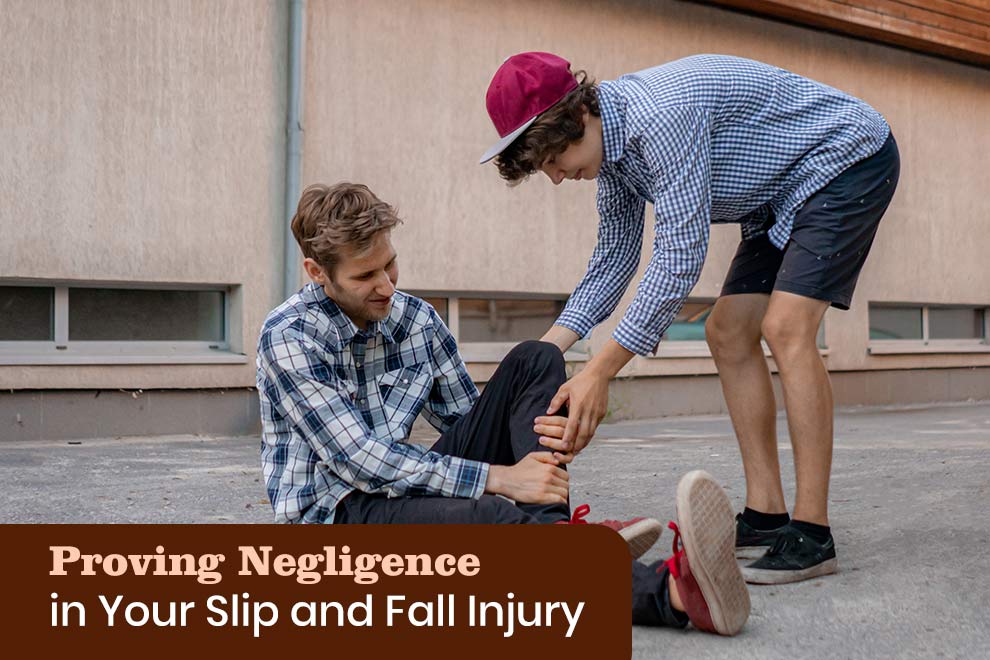
Houston is a city that never stands still, stretching from the heavy industrial hum of the Ship Channel to the bright, polished corridors of the Galleria. We spend our lives moving between massive office buildings, local restaurants, and the neighborhood shops that keep this town running, usually without giving the floor beneath our feet a second thought. But when a property owner forgets a simple leak or ignores a cracked walkway, that sense of security disappears in a single, painful moment. Proving negligence in your slip-and-fall injury is about more than just showing you were hurt; it is about uncovering exactly where a business owner cut corners or failed to look out for their visitors.
Building a strong The Insurance Outlaw slip & fall legal case ensures that the facts of the incident are laid out clearly so the responsibility stays where it belongs. By holding a careless manager accountable, you aren’t just seeking a way to cover your medical bills; you are ensuring that the places we all visit every day meet the standard our community expects. Having someone in your corner who knows how to dig into these details lets you focus on getting back on your feet.
What is Slip and Fall Negligence
Negligence is the breach of a legal duty to use reasonable care. This lack of care is the basis for any lawsuit in slip-and-fall cases. To prove liability, victims need to demonstrate that another party was negligent and that negligence caused dangerous circumstances. This evidence is typically required for claims for damages to be admissible. Asserting negligence involves the property owner or manager failing to act appropriately in fulfilling their duty.
Establishing Duty of Care
Property owners and managers have a legal duty to keep the premises safe for visitors. This is known as the duty of care, which applies to private residences, businesses, and public places. The first point to be proven to establish negligence is that the duty existed at the time of the accident. For example, a shopkeeper needs to maintain safe, traffic-free parking spaces for customers. For the most part, the duty of care applies only to the injured person when his or her presence is justified.
Proving Breach of Duty
Once you establish duty, the first step is establishing that there was a breach. A breach occurs when someone fails to meet a standard of reasonable safety. Typical violations consist of spills, broken stairs, or insufficient illumination. This evidence could take the form of photographs, service records, or witness testimonies. This amounts to showing that a reasonable person would have recognized and remedied the danger.
Showing Real Damages
Just because you were hurt does not mean you will get compensated. The plaintiff is required to prove that he suffered actual harm from the fall. Damages include medical bills, lost wages, and pain and suffering while recovering. Supporting a case with documentation — including hospital records, pay stubs for lost wages, and daily journals chronicling how an injury has impacted your life — work to bolster a case. You can’t just take people’s word for it that they’re harmed — you just have to prove real harm to get to the money.
Gathering Strong Evidence
Gathering comprehensive, accurate information is vital to building an effective case. You may have valuable evidence, including photographs of the scene, witness statements from passers-by, and surveillance video footage. The incident will be reported to the property managers/authorities immediately, creating an official record. Organizing all medical documents also helps demonstrate the seriousness of the injury. The more consistent the evidence one has, the higher the success of the claim.
Common Defenses Against Negligence Claims
Usually, property owners will claim that the injured party is responsible for the accident. For instance, they could argue that the danger was apparent or that posted warnings were made. At other times, they are said to have claimed the injury stemmed from incorrect footwear or lack of concentration. It is thus helpful for those who have been wronged to be prepared to respond to these defenses. These arguments can be countered by providing evidence that the victim exercised reasonable caution at the time of the incident.
The Importance of Timely Action
All personal injury lawsuits have fast-approaching deadlines when it comes to filing your claim. Failing to meet deadlines can mean losing your entitlement to compensation. Collecting evidence, talking to witnesses, and legal experts should be done as soon as possible. Moving quickly also helps keep details top of mind, and the documentary is complete. Knowing about these checkpoints prevents unnecessary complications.
Conclusion
Establishing negligence in slip-and-fall injury cases is a highly detail-oriented process. The basic elements required are duty, breach, causation, and damages. The likelihood of a positive outcome is much higher when strong evidence is gathered, and action is taken quickly. Knowing these concepts can help the injured attain the justice and compensation they deserve from a fall.