Public schools often reflect the communities they serve. As neighborhoods change, classrooms shift with them, carrying new expectations, new challenges, and new opportunities. In coastal cities, that connection can feel even closer, where schools sit at the center of daily life and community identity.
Along the California coast, that relationship has shaped the journey of the Ventura Unified School District. What began as a local effort to provide foundational education has developed into a system focused on preparing students for life beyond graduation.
Over time, the district has adapted to shifting demands in education. Academic programs have been strengthened to support higher graduation outcomes, while new pathways have been introduced to help students explore career interests earlier. Classrooms have incorporated technology in ways that support both teaching and learning, and partnerships with local organizations and businesses have added practical opportunities beyond school walls.
This work revolves around a clear sense of purpose. The district aims to provide high-quality instruction within environments where students feel supported and encouraged to grow. Its vision reflects that focus, emphasizing an education that is both balanced and meaningful, one that fosters curiosity and a lasting interest in learning.
Even as programs evolve, one idea remains consistent. Strong public schools contribute directly to the strength of a community, shaping not only individual futures but the character of the place itself.
A District Designed to Support Every Stage of Learning
Education within a public school system often unfolds across many campuses, each serving a different stage of a student’s journey. In Ventura, that structure is designed to guide students from their earliest classroom experiences through graduation and into adulthood.
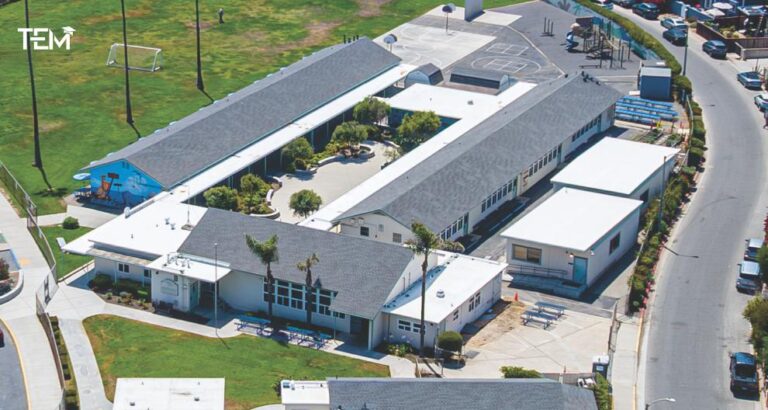
The district serves learners from transitional kindergarten through adult education. Its network includes fourteen elementary schools serving TK through grade five, three TK–8 schools, and four comprehensive middle schools for grades six through eight. At the secondary level, five high schools, including alternative programs and a Middle College option in partnership with Ventura College, provide pathways that reflect different academic and career goals. Additional offerings such as Adult and Career Education, the Homestead independent study program, and the Jumpstart Early Education program extend support beyond traditional models.
These schools serve families across Ventura and nearby communities along California’s Central Coast. While each campus reflects its local neighborhood, they remain connected through shared priorities and district-wide programs.
This structure creates continuity. Students move through a system that supports early curiosity, builds academic strength, and opens opportunities for both college and career pathways as they progress.
Learning Pathways from Early Curiosity to Career Readiness
The academic journey within the district begins with a clear focus on building strong foundations and gradually opens into a wide range of choices as students grow.
In the early years, classrooms center on literacy, mathematics, and critical thinking. Students learn through hands-on activities that encourage curiosity and collaboration. Programs such as project-based learning and Leader in Me introduce leadership and confidence at an early stage, while STEAM exposure connects students to science, technology, engineering, arts, and mathematics. Transitional kindergarten has recently been added across all elementary schools, along with expanded after-school learning opportunities.
As students move into middle school, the focus shifts toward exploration and independence. Core academic subjects remain rigorous, while electives such as music, robotics, art, and technology allow students to discover new interests. Schools have also expanded after-school athletics, including sports like basketball, soccer, and cross-country, helping students stay engaged and connected.
High school brings a broader set of academic and career options. Students can enroll in Advanced Placement courses, honors classes, and dual enrollment programs with local colleges. Career Technical Education pathways introduce fields such as healthcare, environmental studies, biotechnology, and software development. Alternative programs ensure that different learning needs are supported, while graduation outcomes remain strong, with recent rates reaching over 97 percent.
Leadership Focused on Students and Community
The direction of a school district often reflects the priorities of its leadership. At Ventura, that focus remains closely tied to students, families, and the broader community they are part of.
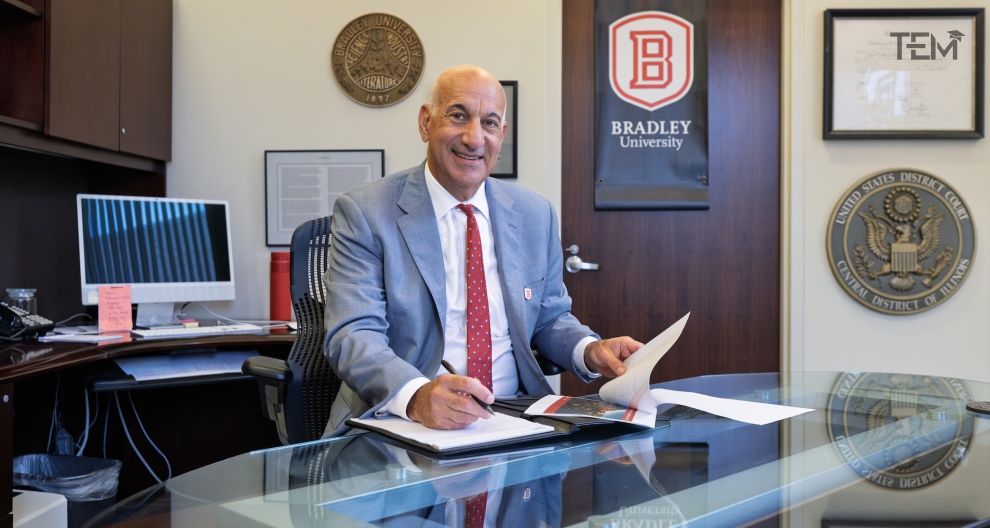
Superintendent Dr. Antonio Castro emphasizes the role public education plays in shaping both individual futures and the community as a whole. His message centers on what happens inside classrooms each day and the collective effort behind it. “Our schools are places where students discover their strengths, develop their talents, and build the foundation for their future,” he says.
That perspective extends beyond instruction. It reflects a shared commitment among educators, families, and community members who support students throughout their journey.
For those considering the district, the approach is straightforward. Students are expected to grow, challenged to improve, and supported along the way, creating an environment where they can move forward with confidence and purpose.
What Excellence Looks Like in Practice
Inside classrooms across the district, the idea of excellence shows up in everyday moments. It appears in how students engage with their work, how they communicate their ideas, and how connected they feel to the teachers and staff around them. Academic results matter, but they are only one part of a broader picture.
Attendance offers one clear signal. The district maintains an average daily attendance rate of about 95 percent and has been recognized as a 2026 Model School Attendance Review Board recipient by State Superintendent Tony Thurmond. These numbers reflect a level of consistency in student participation.
Planning across the district follows a focused set of priorities. Classrooms are expected to deliver strong instruction, supported by safe environments where students feel comfortable learning. Schools work closely with families and community partners, while access to programs remains a central consideration. Preparation for college, career, and civic life runs through each of these efforts.
Progress is tracked carefully, but the aim remains straightforward. Students should leave school prepared to think clearly, communicate effectively, and take responsibility for their next steps.
Supporting Every Student, Every Way They Learn
Classrooms rarely look the same from one student to the next. Different experiences, languages, and ways of learning shape how students engage with school. That variety is treated as a starting point for how support is designed at Ventura.
Students are encouraged to approach learning with curiosity and flexibility, whether through discussion, problem-solving, or creative work. For those developing English proficiency, dedicated programs help build language skills while keeping pace with academic expectations. Special education services provide another layer of support, including co-taught classrooms where general and special education teachers work together to meet individual needs.
Attention to learning also extends beyond academics. Middle and high school campuses include Wellness Centers staffed by counselors who offer guidance, mental health support, and practical strategies for managing stress and building resilience. These spaces give students a place to pause and reset when needed.
Student-led clubs add to that sense of connection, bringing together peers with shared interests and backgrounds. In these settings, students find both community and confidence as they move through their school experience.
Where Community Becomes Part of the Classroom
A student’s experience rarely stays within school walls. In Ventura, learning often continues through the people and organizations that surround it. That connection shapes how the district approaches partnerships.
Local businesses and civic groups are not brought in as occasional contributors. They are involved in shaping what students learn and how they prepare for what comes next. This is most visible through the district’s Industry Advisory Board, a large group of professionals from across Ventura County who provide direct input on programs and emerging workforce needs. Their involvement keeps coursework relevant and grounded in current practice.
Students benefit from that connection in practical ways. Internships, mentorships, and project-based experiences introduce them to real work settings while they are still in school. These are not add-ons. They become part of how students begin to understand their interests and options.
Community organizations also play a steady role. Groups such as the Ventura Education Partnership and local foundations support classrooms through grants, scholarships, and enrichment programs.
What emerges is a system where school and community move in step, giving students both exposure and support as they plan their future.
A School Experience That Extends Beyond the Classroom
Life across campuses in the Ventura Unified School District carries a rhythm that goes beyond academics. Once the school day ends, hallways, fields, and auditoriums continue to fill with activity as students turn to interests that shape their time in different ways.
Clubs and student organizations offer a wide range of choices. Some students find their place in music, theatre, or visual arts, while others take part in robotics, e-sports, debate, Model United Nations, or student leadership groups. These spaces allow students to explore interests, work with peers, and take on responsibilities outside the classroom.
The arts hold a visible place within the district. Performances, concerts, and exhibitions take place throughout the year, including the Annual All Student Art Show, where selected students present their work in a local gallery setting. For some, this becomes a first experience of sharing and even selling their work to a wider audience.
Athletics follow a similar path of early involvement and steady growth. Students begin with elementary cross-country and move into middle and high school sports programs. At the high school level, teams regularly compete for league titles and championships, with recent seasons bringing notable achievements that draw strong community support.
After-school programs such as OCEAN extend the day further, offering structured time for learning, creativity, and connection.
How the District Operates Behind the Scenes
A school system of this scale depends on coordination that often goes unnoticed in daily classroom life. At Ventura, that structure is built around shared responsibility across leadership and specialized departments.
The Superintendent and Board of Education guide overall direction, setting policies and priorities that shape how schools function and improve over time. Their role connects long-term planning with the needs seen across campuses.
Day-to-day operations are supported through several key departments. Educational Services focuses on curriculum and instruction, while Student Support Services addresses areas such as well-being and additional student needs. Business Services and Human Resources manage financial planning and staffing, ensuring schools have the resources required to operate effectively. Facilities and Bond Programs oversee campus development and maintenance, and Technology Services supports the systems that keep classrooms connected and running smoothly.
These teams work in coordination rather than in isolation. Their combined efforts help schools remain organized, supported, and prepared to meet the needs of students and staff throughout the district.
Making Opportunity Real for Every Student
Not every student starts from the same place. Some need added support to stay on track, and how that support is provided makes a real difference. Resources in the district are directed with that reality in mind. Funding is used carefully to support students with greater needs, ensuring they have access to the programs and guidance required to move forward in their studies.
Targeted services focus on students facing specific challenges. Support is available for those experiencing homelessness, students in foster care, and English language learners. These programs are designed to provide both academic assistance and a sense of stability, helping students remain engaged in school.
Equally important is the environment within each campus. Schools work to create spaces where students feel respected and included, allowing them to take part fully in learning and school life. When that sense of belonging is present, students are better positioned to succeed.
Support That Guides Students Forward
Beyond academics, students rely on guidance that helps them plan and grow with confidence. At Ventura, counselors work closely with students on course planning, college preparation, and career exploration. Mentorship programs, internships, and college readiness initiatives give students a clearer sense of direction as they consider future paths.
Support also extends to wellbeing. Counselors, psychologists, and social workers provide access to mental health resources and social-emotional guidance. These services help students manage challenges, stay focused, and remain connected to their goals as they move through school.
Planning for What Comes Next
Looking ahead, the focus remains on strengthening opportunities while responding to the realities facing public education today. Within the district, future plans are shaped by both growth and careful planning. Ventura Unified remains committed to restructuring in ways that ensure all students, now and in the future, can benefit from strong programs and resources.
Efforts are underway to expand career pathways and increase dual enrollment options with local colleges, giving students more flexibility as they prepare for life after graduation. Facility improvements, supported by a local bond measure, aim to create spaces that better support teaching and learning. Partnerships with community organizations and local industries continue to grow, adding practical experience to academic programs.
At the same time, the district is addressing declining enrollment and financial pressures seen across California. Adjustments are being made thoughtfully, including the consolidation of programs when needed, to ensure resources are used effectively.
The focus remains steady. Keep programs strong, maintain access for students, and continue building a system that supports learning over the long term.
Quote
Also Read: The 10 Elite School Districts Shaping Education in 2026