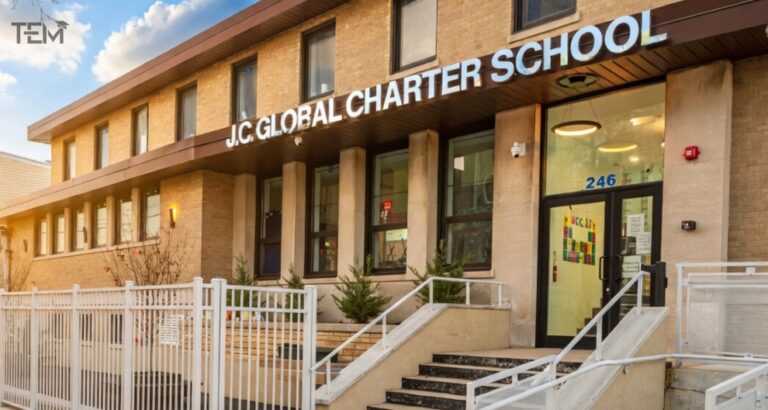
In a city shaped by movement, culture, and constant change, education carries a different kind of responsibility. Schools are not just places for instruction. They are training grounds for real life, where students begin to understand how they fit into a wider, fast-moving world. In Jersey City, where global influences meet everyday life, that responsibility becomes even more visible.
Founded in 2013, Jersey City Global Charter School grew out of a clear idea. Students need more than textbooks to succeed. They need to think, question, and adapt. From the beginning, the school set out to build an environment where academic learning connects directly to the world outside the classroom. The goal has remained steady over the years: prepare young people to take on complex challenges with confidence and awareness.
Inside the school, learning rarely stays confined to theory. Programs like MicroSociety and project-based learning give students a chance to test ideas in real situations. They run systems, solve problems, and see how decisions play out. Community engagement further grounds their experience, helping them understand the people and structures around them. The approach is practical, but it never loses sight of strong academic foundations.
Growth has been steady and deliberate. What began as a focused vision has developed into a full, active school community serving hundreds of families. Along the way, the school has expanded its academic offerings, strengthened support systems, and built a culture where students feel both challenged and supported. That balance has not come by accident. It reflects years of refinement and clear leadership.
Recognition followed, but it did not define the work. Being named a Tier 1 charter school in New Jersey and Hudson County reflects consistent performance and accountability. More importantly, it signals that the model works. Students are not just keeping up. They are learning how to move forward with purpose in a world that rarely stands still.
Building Strong Foundations Across Every Stage
A clear academic structure shapes how students grow here, but it does not feel rigid or mechanical. The design moves with the student, adjusting as their curiosity, confidence, and responsibility begin to take form. At the elementary level, the focus stays grounded in literacy and mathematics, guided by the New Jersey Student Learning Standards. Classrooms are active spaces where lessons often take shape through projects, group work, and discussion rather than passive instruction.
One program stands out early in a student’s journey. MicroSociety turns the school into a working model of the real world. Students step into roles where they run businesses, manage money, and take part in governance. It is not treated as an extra activity but as an extension of academic learning, where ideas from textbooks begin to make sense in practice.
By middle school, expectations shift. Students take on more ownership of their work while diving deeper into English Language Arts, mathematics, science, and social studies. They learn to question, research, and form independent views. Leadership opportunities and culturally responsive teaching methods keep learning relevant, while technology supports collaboration and prepares them for more complex challenges ahead.
A Close-Knit Structure with a Broad Reach
The structure of the school remains intentionally focused, built around a single K–8 charter school that serves about 400 students. This scale shapes the daily experience in subtle but important ways. Classrooms feel connected, staff know students by name, and decisions can be made without layers of delay. It allows the school to stay attentive, adjusting quickly when student needs shift rather than waiting for systems to catch up.
Families come from across Jersey City and nearby neighborhoods, bringing with them a mix of languages, cultures, and life experiences. That diversity is not treated as a background detail. It actively shapes how the school operates. Lessons, interactions, and community events reflect the varied perspectives students carry with them, making inclusion part of everyday learning rather than a separate initiative.
Operating as a charter school also gives the flexibility to move differently. Programs can be introduced, refined, or expanded with fewer constraints. This responsiveness shows up in both academics and social-emotional support, where the school works to meet students where they are. The result is a structure that feels both grounded and adaptable, small enough to stay personal yet broad enough to reflect the city it serves.
Redefining What Excellence Looks Like
Excellence at Jersey City is measured in ways that go beyond numbers on a report. Academic performance matters, but it is only one part of a larger picture. Equal weight is given to how students think, how they handle challenges, and how they engage with the people around them. The goal is to shape individuals who are curious, steady under pressure, and aware of their role in a broader community.
Three priorities guide this approach. Strong academic achievement remains the foundation, ensuring students build the knowledge and discipline needed for future study. Alongside that, leadership and real-world learning take center stage, giving students space to apply what they know in meaningful ways. Equity forms the third pillar, with a clear effort to make opportunities accessible to every student, regardless of background.
Planning does not happen in isolation. It evolves through constant review and conversation. Teachers collaborate, data is examined closely, and families contribute their perspective on what is working and what needs attention. Community partnerships further strengthen this process, connecting the school’s goals with real-world needs. This ongoing cycle keeps the system responsive, allowing it to improve steadily without losing sight of its core purpose.
Meeting Students Where They Are
Walk into a classroom, and no two students are learning in quite the same way. That reality shapes how teaching is approached across the school. Lessons are built with flexibility in mind, allowing students to engage through different paths rather than forcing a single method on everyone. Some work best through discussion, others through hands-on tasks, and many through a mix of both. Teachers adjust in real time, using small-group instruction and differentiated strategies to keep each student involved and progressing.
Culture also plays a visible role in how learning unfolds. Classrooms reflect the backgrounds students bring with them, not as a token gesture but as part of everyday instruction. Reading materials, projects, and conversations often draw from a wide range of perspectives, helping students see themselves in what they study while also understanding others. This approach builds both confidence and awareness without making either feel forced.
Support systems run alongside this work. Students who need extra help receive targeted instruction, including English language development and individualized plans tailored to their pace. The aim is steady progress, not quick fixes, ensuring that every student has a fair chance to keep up, contribute, and feel part of the learning process.
Building Strong Ties Beyond the Classroom
Learning here does not stop at the school doors. It extends into homes, neighborhoods, and the wider community, where relationships play a steady role in shaping each student’s experience. Families are not treated as observers but as active participants. Through regular events, workshops, and celebrations, parents step into the rhythm of the school, gaining a clear view of how their children learn and grow.
There is also space for deeper involvement. Parents contribute through volunteering, academic support, and participation in school governance, creating a sense of shared responsibility rather than distant oversight. This connection strengthens trust and keeps communication open.
Beyond families, partnerships with local organizations, businesses, and civic leaders add another layer. These connections bring mentorship, career exposure, and hands-on learning opportunities into the mix. Students begin to see how their education links to the world outside, making their learning feel relevant and grounded in real experiences.
A Campus Life That Extends Beyond Academics
The rhythm of student life carries well beyond class hours, adding energy and variety to each day. Students are not limited to academic routines. They move between clubs, arts programs, and group activities that give them space to explore what interests them. These moments often reveal talents that do not always show up in traditional lessons.
Cultural celebrations bring another layer to campus life, reflecting the backgrounds and traditions students represent. Participation feels natural rather than staged, helping students connect with one another in ways that go beyond coursework.
Leadership opportunities also take shape through everyday experiences. Student government and MicroSociety activities allow students to take initiative, make decisions, and see the results of their actions. Project-based competitions add a sense of challenge and collaboration, pushing students to work as teams.
These experiences build confidence and strengthen relationships. Students begin to see themselves not just as learners, but as active contributors within a community that values both effort and expression.
Structure That Keeps the School Moving
Behind the day-to-day flow of the school sits a structure built on coordination rather than hierarchy. Leadership is shared across roles that stay closely connected, ensuring that decisions are not made in isolation. The Chief School Administrator works alongside a broader leadership team, instructional leads, and operational staff, each responsible for a different part of the school’s functioning.
On the academic side, instructional leaders focus on what happens inside the classroom. They guide curriculum planning, support teachers, and track student progress to keep learning on course. Their work stays closely tied to outcomes, with regular collaboration shaping how teaching evolves over time.
Operational teams handle the systems that keep everything running smoothly. From finance and compliance to enrollment and facilities, their role is less visible but just as critical. Together, these groups maintain alignment across the school, ensuring that both instruction and operations move in the same direction without friction.
Leadership with a Clear Sense of Purpose
At the center of the school’s direction is a leadership approach shaped by intention and consistency. Under the guidance of Dr. Jack, decisions are grounded in a simple but steady belief: students learn best when they feel seen, challenged, and supported at the same time. This mindset carries through classrooms, programs, and daily interactions.
Leadership here does not operate at a distance. It stays connected to both students and families, shaping an environment where individual strengths are recognized and encouraged. The focus is not only on academic growth but also on helping students understand who they are and what they can become.
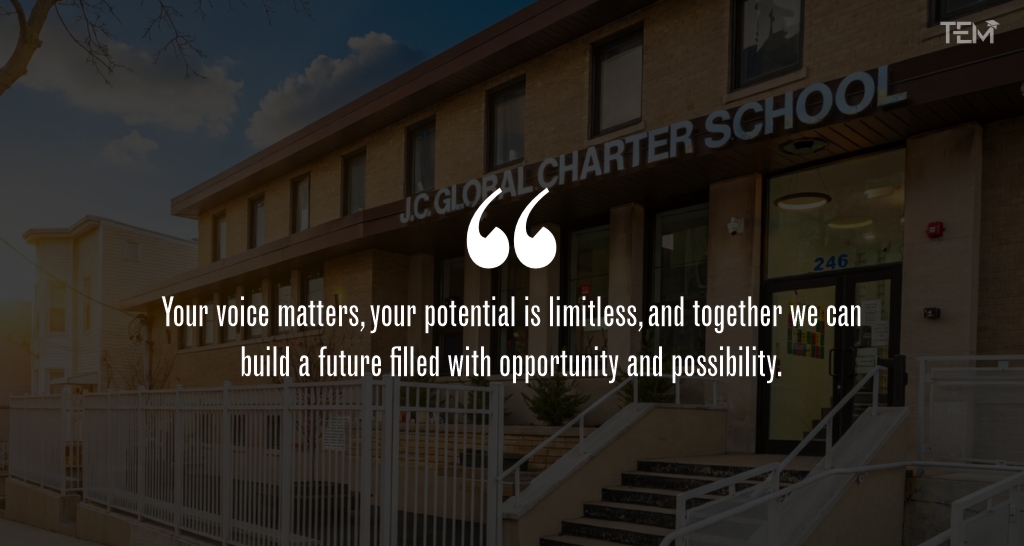
The message shared with the community reflects this clarity. Every student’s voice holds value, and every path forward carries possibility. Families are seen as partners in that journey, working alongside the school to create opportunities that feel both real and within reach.
Creating Fair Access for Every Student
Equity and inclusion are not treated as abstract goals. They show up in everyday decisions, shaping how students are supported and how opportunities are shared. The aim is clear. Every student should have access to strong instruction, meaningful resources, and a learning environment where they feel they belong.
Progress is closely tracked to make this possible. When gaps appear, the response is deliberate. Targeted interventions and additional support help students stay on track rather than fall behind. Access to academic programs is also reviewed carefully, ensuring that participation does not depend on background or circumstance.
Classrooms reflect this approach through culturally responsive teaching. Lessons connect with students’ experiences, making learning more relatable and engaging. At the same time, educators continue to refine their practice through ongoing training focused on equity-centered methods.
The result is a system that works to stay fair in practice, not just in intent. Students move forward with the confidence that they are seen, supported, and given a real chance to succeed.
Supporting the Whole Student
Academic growth is only part of the picture. Equal attention is given to how students manage challenges, build relationships, and understand themselves. Support systems are woven into the school day, offering steady guidance rather than occasional intervention.
Students have access to counseling services that provide a space to talk through concerns, whether they are academic or personal. These conversations often help students find direction when things feel uncertain. Academic intervention programs run alongside this, giving extra support to those who need help catching up or strengthening key skills.
Mentorship adds another layer, connecting students with guidance that goes beyond the classroom. These relationships often shape confidence and decision-making over time.
Social-emotional learning remains a consistent thread throughout. It is not treated as a separate subject but as part of daily interactions. Students learn to manage emotions, understand others, and respond thoughtfully. This balance helps them move forward with both competence and a sense of stability.
Expanding Possibilities for the Future
The next phase of growth for Jersey City Global Charter School is shaped by a steady focus on relevance. As the world shifts, the school continues to adjust its approach, ensuring students are prepared for what lies ahead, not just what exists today.
Plans are already taking form. STEM learning is set to expand, giving students deeper exposure to science, technology, engineering, and mathematics through more applied and exploratory work. At the same time, global learning experiences will grow stronger, helping students understand perspectives beyond their immediate surroundings.
Partnerships will also play a larger role. Connections with community organizations and higher education institutions are expected to open new pathways for mentorship, exposure, and continued learning.
Alongside these efforts, the school remains committed to refining its instructional methods. The focus stays on building creative thinkers and capable problem solvers, students who can adapt, question, and contribute with confidence in an increasingly complex world.
Quote
Also Read: Frontier International Academy (Empowering Futures: Outstanding U.S. School Districts of 2026)