Not every student’s story fits neatly into a traditional classroom. Some fall behind. Others lose confidence. A few begin to believe that school simply is not meant for them. Yet, in many communities, these are the very students who need the most thoughtful support and a reason to start again.
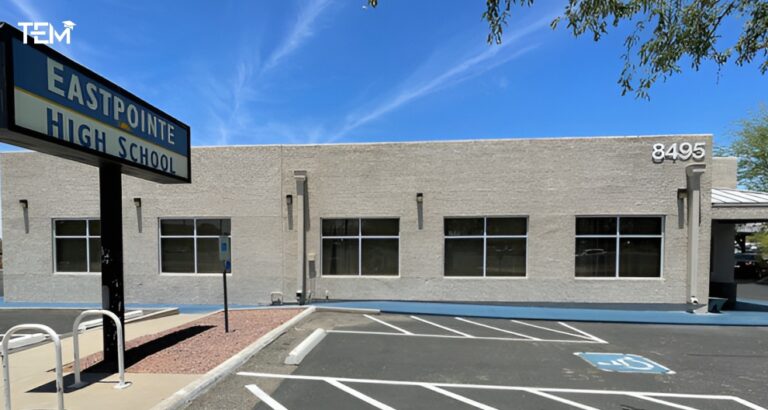
Founded in 1998, Eastpointe High School grew out of that need. What began as a small alternative school has steadily developed into a focused effort to bring students back into the fold of education. The idea was simple but deliberate. Meet students where they are, not where the system expects them to be.
Over the years, the school has shaped its approach around that belief. Its mission centers on guiding students who have struggled elsewhere toward graduation and a future they can take pride in. The vision is equally grounded. Every student, no matter their past, deserves access to an education that rebuilds confidence and creates real opportunities.
As the years passed, the model expanded without losing its core. Programs became more flexible, support systems grew stronger, and new methods found their way into the classroom. Through it all, the focus remained personal. Each student mattered, and each story deserved another chance to move forward.
Learning That Adapts to the Student
By the time many students arrive here, the gap is not just academic. It often includes missed credits, broken confidence, and a sense that time has run out. The school’s academic design responds directly to that reality, with a structure that adjusts to the student rather than forcing the student to adjust to it.
At the center of this approach are credit recovery and dropout recovery programs. These give students a clear path to make up lost ground without feeling overwhelmed. Progress is steady and visible, which helps rebuild momentum. Alongside this, a blended learning model brings together classroom teaching and technology-supported instruction. This mix allows students to move at a pace that fits their learning style while still staying connected to teachers and peers.
Preparation for life after graduation is treated as part of everyday learning. Guidance around college, trades, and employment is woven into the experience so that students can see where their efforts are leading. While the institution does not run elementary or middle schools, its program is built to address gaps that may have started years earlier. The goal is not only to help students finish high school, but to help them move forward with clarity and direction.
A Focused Model Serving a Wider Community
Not every education system is built around a network of schools. Some are designed with a narrower structure and a sharper purpose. That is the case here. Instead of operating as a traditional district with multiple campuses, the model centers on a single charter high school with a clear role.
From that one point, the reach extends across communities in Arizona, including cities like Phoenix and Tucson. The student population reflects a wide range of backgrounds and circumstances. Many arrive carrying academic gaps, while others return after stepping away from school altogether. Some are balancing jobs or family responsibilities alongside their studies.
The program focuses on grades 9 through 12, but the experience is far from standard. Flexibility is built into the structure so students can manage both school and life. Schedules, pacing, and support systems are shaped to fit real-world demands rather than ignore them.
This approach allows the school to stay intentional. Without the complexity of multiple campuses, attention remains on the students who need it most. The result is a learning environment that feels both personal and practical, designed to meet students where they are and help them move forward with purpose.
Measuring Success by Transformation
In many schools, excellence is tied to numbers alone. Test scores, rankings, and benchmarks often take center stage. At Eastpointe High, the measure runs deeper. Progress is not judged only by where students finish, but by how far they have come.
The focus begins with graduation and completion rates, but those figures tell only part of the story. Equal weight is given to student engagement and persistence. Showing up, staying committed, and continuing despite setbacks are seen as meaningful indicators of growth. These are often the first signs that a student is beginning to believe in their own potential again.
Planning and decision-making follow this same line of thinking. Every program, every support system, and every adjustment is guided by a simple question. Is this helping students move forward in a real and lasting way? Readiness for life after high school remains a steady priority, whether that path leads to college, skilled trades, or the workforce.
Excellence, in this setting, takes shape when a student who once felt disconnected begins to find direction. Confidence returns. Goals become clearer. Graduation is not just an endpoint. It marks the moment when a student is prepared to step into the next phase of life with purpose.
Leadership That Stays Close to the Work
Leadership in the school is less about titles and more about what students experience each day. Decisions are expected to show up in classrooms, in conversations, and in the small moments where a student decides whether to keep going or give up.
That responsibility is carried by James Meehan, Chief Executive Officer, and Chris Meehan, Chief Operating Officer, along with a team that stays closely involved in both planning and execution. Their role is not to stand apart from the process, but to remain part of it, ensuring that the original purpose does not get diluted as the school grows.
When they speak to students and families, the message does not come dressed in polished language. It is straightforward. What has happened before does not close the door on what comes next. That idea carries weight because it is backed by how the system works. Support is steady. Expectations are clear. Progress, even when slow, is taken seriously.
Students are guided without being rushed. Families are kept in the loop, not at the margins. Over time, this builds something that cannot be forced. A sense of trust that grows through consistency, where words and actions begin to match in ways that students can recognize.
Building Around Each Student’s Reality
Walk into any classroom on campus, and you will quickly notice that no two students are working in quite the same way. Some move faster, others take their time. A few are balancing jobs. Others are carrying responsibilities at home that rarely show up on a report card. The approach adjusts to these differences rather than smoothing them over.
Individualized learning plans sit at the center of this effort. Each student works toward goals that match their current level, not an assumed standard. This keeps progress realistic and visible. Flexible scheduling supports that structure. Students can attend in ways that fit around work shifts or family duties, which makes consistency easier to maintain over time.
Teaching practices also reflect the backgrounds students bring with them. Lessons are shaped to connect with real experiences, not just textbooks. Cultural context is not treated as an add-on. It becomes part of how subjects are introduced and understood.
What ties all of this together is a steady focus on relationships. Teachers and staff take time to know who their students are beyond academics. That familiarity changes how support is offered. It becomes more personal, more precise. Over time, students begin to feel that they belong here, and that belief often becomes the starting point for real progress.
Extending Learning Beyond the Classroom
For many students, progress depends on what happens outside the classroom just as much as what happens inside it. That is why building strong connections with families and the wider community remains an ongoing effort at Eastpointe High and not an occasional initiative.
Families and guardians are treated as active participants in a student’s journey. Regular communication keeps them informed and involved, making it easier to address challenges early. Alongside this, partnerships with community organizations bring in additional layers of support that schools alone often cannot provide.
Connections with the local workforce and training programs open up practical pathways. Students gain exposure to real-world environments, where learning begins to feel relevant and immediate. Mentorship opportunities grow out of these relationships, offering guidance from people who understand the demands beyond graduation.
These efforts create a network around each student. It is not just about finishing school, but about stepping into the next phase with experience, direction, and a stronger sense of possibility.
A Different Kind of Student Life
Student life at Eastpointe High does not follow the usual script of packed sports calendars or long lists of clubs. Many students arrive with responsibilities that extend well beyond school hours, so the experience is shaped with that reality in mind.
The focus shifts toward creating a space where students feel supported the moment they walk in. Small wins are noticed. Milestones that might go unrecognized elsewhere are acknowledged and celebrated. That could mean completing a difficult course, returning after time away, or simply staying consistent over weeks that test their resolve.
Opportunities for growth take a more practical form. Students step into leadership roles within the campus, mentor peers who are earlier in their journey, and learn to take ownership of their progress. These moments may not always carry formal titles, but they leave a lasting impact.
The result is a student life built on connection and confidence. It prepares students not just to participate in school, but to handle the responsibilities waiting for them beyond it.
Roles That Keep Everything Moving
A setup like this relies on clarity in roles and steady coordination behind the scenes, supported by Elevated Education. School leadership, including the principal and assistant principal, focuses on direction and consistency. They ensure that what happens in classrooms aligns with the larger purpose. Academic leaders work alongside teachers, shaping lessons and refining instruction so it meets students where they are.
Student support staff bring a more personal layer to the system. Success coaches and advisors stay connected with students, helping them manage both academic and personal challenges. At the same time, operational and compliance teams handle the systems that keep everything running smoothly. Together, these roles create an environment where structure and support work side by side.
Designing for Fair Outcomes, Not Just Access
At Eastpointe High, equity shapes how the entire system functions. Many students arrive after struggling in environments that could not support their needs, so the focus turns to removing those barriers early.
Flexible learning options allow students to progress at a pace that fits their situation. This makes consistency more achievable, especially for those balancing responsibilities outside school. Personalized academic pathways ensure that goals are realistic and clearly defined, helping students see steady progress.
Support services and mentorship add another layer of stability. Students receive guidance that extends beyond academics, helping them stay on track during difficult periods.
The intention is not limited to equal access. It is about creating conditions where students, regardless of their starting point, can reach outcomes that reflect their effort and potential.
Support That Extends Beyond Academics
Many students need guidance that touches different parts of their lives, which is why the school provides support that is built as a continuous presence rather than a separate service. Student success coaching plays a central role. Coaches stay in regular contact, helping students set goals, track progress, and stay accountable during difficult phases. Alongside this, career and postsecondary planning gives direction to their efforts. Students begin to see how present work connects to future options, whether that leads to college, training, or employment.
Mentorship adds a more personal layer. Students have access to people who can guide, listen, and share perspectives drawn from experience. Social-emotional support works alongside this, addressing challenges that often affect consistency and focus. These elements create a system where students are supported as individuals. The aim is not just to help them pass courses, but to help them move forward with clarity and stability.
Looking Ahead with Clear Intent
The next phase for Eastpointe High School builds on what has already taken shape, with a focus on reaching more students without losing the personal approach that defines its work.
One priority is to expand dropout recovery efforts so that more students who have stepped away from school can find a structured way back. At the same time, there is a push to strengthen career readiness through deeper connections with workforce partners. These relationships are expected to open clearer pathways beyond graduation.
Technology will also play a larger role. The aim is not simply to add new tools, but to use them in ways that make learning more responsive to individual needs.
Each of these steps points in the same direction. To extend access, improve outcomes, and continue shaping an approach where students are given a real chance to change their trajectory.
Quote:
Also Read: Frontier International Academy (Empowering Futures: Outstanding U.S. School Districts of 2026)