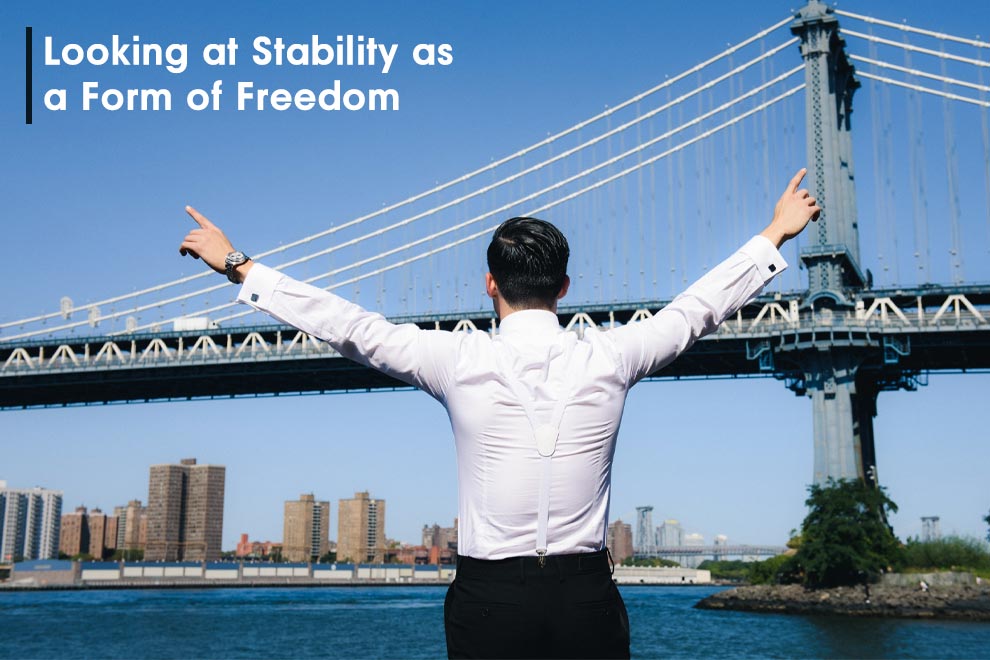
Freedom Does Not Always Look Exciting
When people picture freedom, they usually imagine motion. Quitting a job that drains them. Booking a one way flight. Starting a business. Saying yes to a new city, a new skill, or a new version of themselves. Freedom gets marketed as bold, fast, and a little reckless.
But in real life, freedom often looks much quieter. For some people, part of that quiet comes from finally making a plan for debt settlement so old balances stop shaping every decision. Sometimes it looks like knowing your rent is covered before the first of the month. Sometimes it looks like having enough in savings to handle a flat tire without panic. Sometimes it looks like routines that are boring in the best possible way, because they keep your life from wobbling every time something unexpected happens.
That is why financial stability matters so much. It is not just about being responsible. It is about building a life with room to breathe. The point is not perfection. The point is creating enough steadiness that your choices start coming from intention instead of urgency.
Stability Creates Options
A lot of people think stability and freedom sit on opposite sides of the room. Stability sounds fixed. Freedom sounds flexible. Stability sounds like a schedule. Freedom sounds like spontaneity.
But that comparison misses something important. Freedom without any foundation can turn into fragility fast.
If every surprise becomes a crisis, your world gets small. You pass on opportunities because the margin for error is too thin. You stay in jobs you hate because you cannot risk one uneven paycheck. You delay rest because rest feels expensive. You keep saying maybe later to things that matter, not because you lack courage, but because your life has no cushion.
Stability changes that. A cash buffer, a realistic budget, and dependable habits do not trap you. They increase your range. A solid emergency fund can make it easier to walk away from a bad fit, absorb a medical bill, or take time to figure out your next move. Even something as practical as adjusting your paycheck withholding with the IRS Tax Withholding Estimator can help smooth out cash flow and reduce nasty surprises later.
Options are a form of freedom. In many cases, they are the form that matters most.
The Real Luxury Is a Calm Nervous System
There is also a mental side to stability that people do not talk about enough.
When your finances feel unpredictable, your brain is rarely off duty. You may be answering emails, making dinner, or sitting with friends, but part of you is still doing background math. Can I cover that bill? What if my hours get cut? What happens if the car needs work? That low hum of uncertainty can shape your whole day.
Stability buys back attention.
That does not mean your life becomes stress free. It means stress stops driving the car. When you know you have a plan, a little savings, and a few reliable systems, your mind is less likely to treat every inconvenience like a five alarm fire. You can think beyond the next week. You can plan instead of react.
That kind of mental space is not small. It affects your relationships, your sleep, your work, and your confidence. It also affects your creativity. People often assume creativity comes from chaos, but in everyday life, creativity usually needs enough safety to show up. It is easier to imagine a better future when you are not constantly bracing for impact.
Routine Is Not the Enemy
Routines have an image problem. They sound dull, repetitive, and restrictive. But good routines are really decision making shortcuts. They reduce friction. They help future you by making important actions more automatic in the present.
A weekly money check in, for example, can keep small problems from becoming large ones. Automatic transfers into savings can remove the drama from building a cushion. Paying bills on set dates can reduce missed payments and the mental clutter that comes from trying to remember everything at once. Even reviewing your tax situation periodically can prevent unpleasant surprises, especially when income changes, which is why many people use the IRS tool to estimate whether their current withholding still makes sense.
Routine is what turns stability from a goal into a lived experience.
And no, routine does not mean every day must look identical. It means the essentials are handled well enough that your energy is freed up for more meaningful things. Once the basics become dependable, spontaneity becomes more enjoyable because it is not competing with hidden chaos.
A Stable Base Makes Risk Smarter
This is where the idea gets really interesting. Stability is not only useful for people who want a quiet life. It is also useful for people who want a bigger one.
Want to freelance? Stability helps you survive slower months.
Want to go back to school? Stability gives you a runway.
Want to relocate? Stability makes the transition less brittle.
Want to start over after burnout, divorce, or job loss? Stability gives you a place to stand.
People often celebrate the leap and ignore the landing pad. But the landing pad is what makes the leap possible.
This is true emotionally as well as financially. If you trust yourself to keep a few key systems in place, you are more likely to take thoughtful risks. You know that even if something does not work out, you are not falling into total disorder. That confidence matters. It can be the difference between staying stuck and trying something that actually fits your life better.
Stability Is Personal, Not Performative
Another reason this topic matters is that stability is easy to misunderstand when it is measured by appearance. A stable life is not necessarily a fancy one. It is not defined by owning the right things, looking impressive online, or performing success for other people.
- Sometimes stability looks like downsizing.
- Sometimes it looks like saying no.
- Sometimes it looks like choosing a less glamorous path because it gives you more control over your time.
That control is worth more than many status symbols people chase. The ability to handle a surprise expense, sleep through the night, or take a breath before making a decision may not look dramatic from the outside, but it can completely change how a life feels from the inside.
And it does not have to happen all at once. Keeping savings in an FDIC insured bank account can be one practical part of a stability plan, because protection and access both matter when you are trying to create real peace of mind. Small protective choices add up. One automatic transfer. One paid off balance. One habit of checking in instead of avoiding.
Freedom You Can Actually Use
The best kind of freedom is not always the loudest kind. It is the kind you can actually use on an ordinary Tuesday.
- It is having enough margin to make a decision without panic.
- It is being able to rest without guilt because the basics are covered.
- It is knowing a setback will be frustrating, not catastrophic.
- It is having the space to imagine a different future and the structure to move toward it.
Stability is often treated like the consolation prize, as if excitement and possibility live somewhere else. But for many people, stability is what makes possibility real. It is not the opposite of freedom. It is the infrastructure beneath it.
And once you feel that, once you realize steadiness can give you more choices instead of fewer, stability stops looking like a cage. It starts looking like a key.
Also Read: Debt Collection Terminology You Need to Know