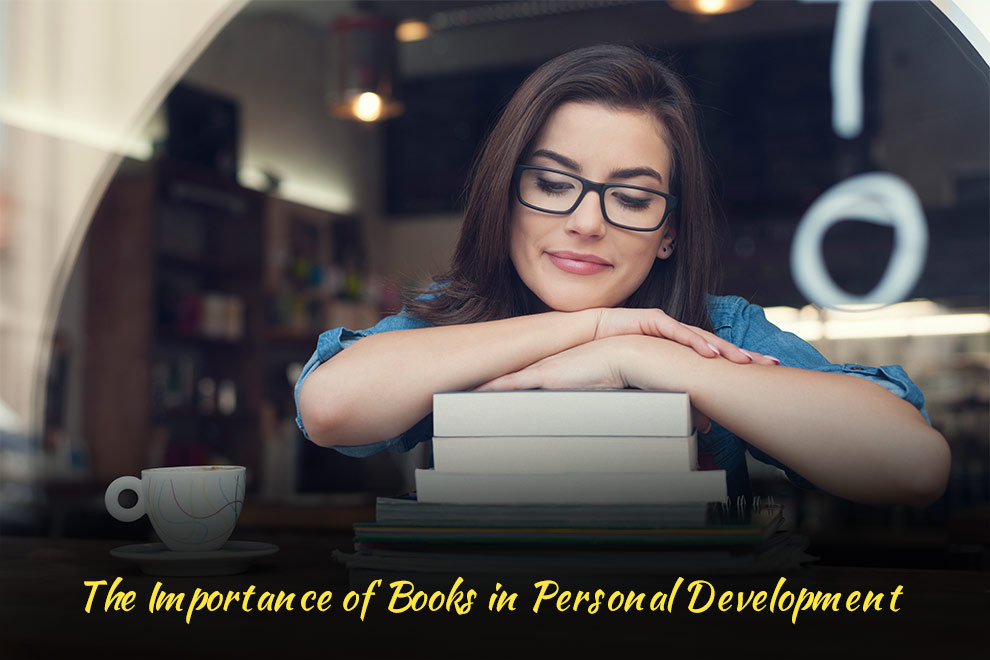
Books support personal development by giving readers structured knowledge, different perspectives, and material for reflection. Choosing useful, credible books and applying their ideas can shape decisions, habits, or small experiments. Digital access, including searches for Z library, can widen the range of material available, but access alone does not guarantee quality or lawful use.
How books develop knowledge, thinking, and empathy
A well-written book gives a subject context, sequence, and explanation that short online snippets often lack. A history book can connect events across decades; a technical manual can build a skill from first principles; a biography can show how choices developed under particular pressures. That structure makes it easier to retain knowledge and see relationships between ideas.
Nonfiction also gives readers material to question. Check whether the author has relevant professional credentials, look for cited primary sources, and see whether independent expert reviews support the book’s central claims. The publication date and the difference between research and personal opinion matter, too. Advice about health, finance, or relationships deserves especially careful scrutiny because a confident recommendation may still be poorly supported or unsuitable for an individual’s circumstances.
Fiction offers another route to growth. Stories place readers inside unfamiliar situations and may encourage perspective-taking. That effect is not automatic: pausing over a character’s motives and consequences is more likely to prompt reflection than racing to the final page.
How a Free library can support self-directed learning
A free library or E-library can reduce practical barriers when someone wants to investigate a subject, compare viewpoints, or find an introductory text before spending money. Digital collections are portable and searchable, which can help readers with limited access to physical libraries. Zlibrary is one option readers may encounter while comparing sources for self-directed learning.
Ease of access does not establish a book’s suitability. A title may be outdated, poorly edited, or written for a different level of knowledge. Check the provider’s terms and local copyright rules. Public libraries, library e-book lending services, publishers, and open educational repositories are other useful routes, particularly for subjects with legal, medical, or financial consequences.
Choosing books and building a reading routine
Start with a concrete aim: learn a workplace skill, understand a historical period, improve writing, or examine a viewpoint unlike your own. That aim narrows the field and gives you a way to judge whether a book helped. Popularity can point to a book of interest, but it does not show whether the book fits your goal.
Reviews can reveal whether a book is accessible or repetitive, but they cannot prove its claims are true. Compare its evidence and author expertise with independent sources. For digital options, consider usability, file format, and accessibility features. When searching for Z library, check local copyright rules and the provider’s stated terms. Choose free books that fit your goal and come from a reliable source.
Build a routine around consistency and comprehension, not a fixed quota. Ten or fifteen focused minutes can be a workable starting point; adjust the time to the material and your attention. Keep one current book within reach, stop reading titles that clearly fail your purpose, and alternate demanding material with something lighter when concentration is low.
Turn reading into changes you can use
At the end of a chapter, explain its central idea in your own words without looking at the page. Write down one point that could affect a real decision or behaviour. Revisit the note after a few days and try recalling the idea again. This short note-and-review cycle can help you retain what you read.
Choose one action to test over the next week: change how a meeting is prepared, practise a technique, ask a better question, or track a habit. At the end of the week, record what you tried, what changed, and whether the result matched your expectations. Did the idea fit your circumstances? What improved, and what created friction? If the book offers high-stakes guidance, treat the experiment as a prompt for further research or professional advice, not as individualised instruction.
Digital reading needs its own boundaries. Silence notifications, use comfortable lighting, enlarge text when needed, and shorten sessions when eyes become tired. A paper book, audiobook, or library loan may work better for some subjects. Choose a format that supports attention, reflection, and application.
Also Read: Impact Of Higher Education on Nurses’ Career and Personal Development