Small spaces can become frustrating fast after dark. A camper cabinet, RV pantry, truck bed drawer, or gear closet may look organized during the day, yet turn into a guessing game when the sun goes down.
It helps you avoid pulling out every bin, waking up the whole campsite, or using a phone flashlight while trying to hold a door open. In campers, RVs, and storage areas, small lights can make everyday tasks simpler, safer, and less stressful.
Make Small Camper and RV Cabinets Easier to Use
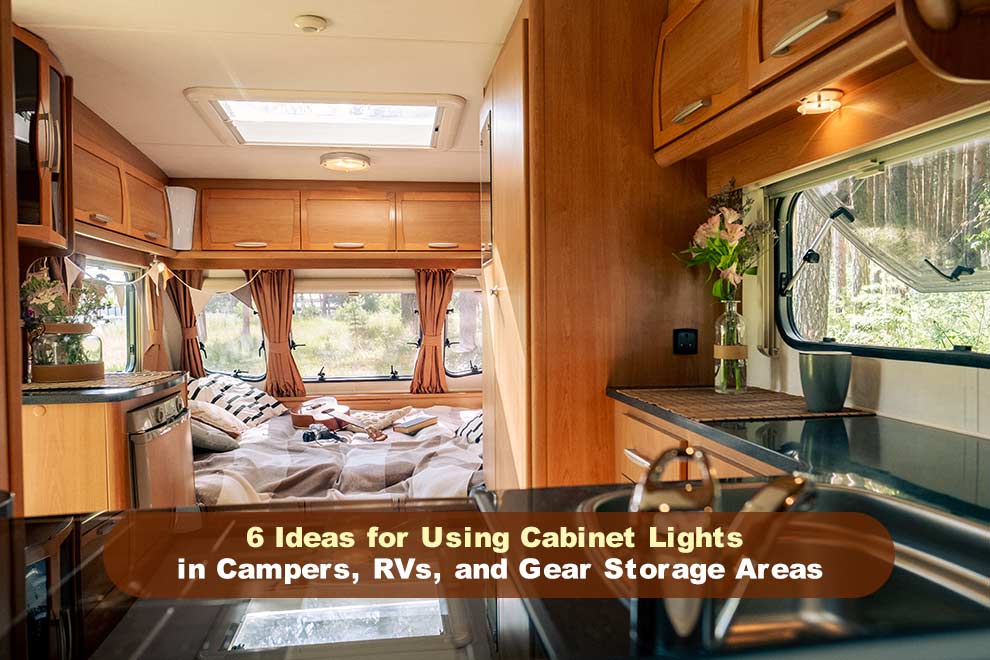
One of the best places to install cabinet lights is inside the kitchen storage area of a camper or RV. These cabinets often hold cookware, coffee supplies, seasonings, paper goods, snacks, and cleaning items. Since many RV kitchens are narrow, one ceiling light may not reach the back of a deep shelf.
A light placed near the front or underside of a cabinet shelf makes it easier to see what is inside before moving anything. This can help when someone is making coffee before sunrise, packing lunch for a hike, or searching for a lighter after dinner. A small motion-sensor light can be especially useful, since the light turns on when the door opens or when movement is detected.
Kitchen cabinets are not the only useful spot. Bathroom storage areas can also benefit from direct lighting. First-aid supplies, medicine, toiletries, towels, and backup soap are often packed into small bins. A light inside or just above that space can help you find the right item without spreading everything across the counter.
Lighting can also make overhead cabinets more practical. In many campers, these cabinets sit above beds, dinettes, or seating areas. They are useful for clothes, books, chargers, games, and blankets, yet their height can make them hard to search. A slim light provides a clear view of the cabinet without adding bulky hardware.
Use Lights to Organize Gear, Tools, and Emergency Supplies
Outdoor gear tends to collect in dark spaces. Storage bays, garage shelves, truck boxes, trailer compartments, and wall-mounted cabinets can all hold important items that are hard to see at night. Lights make these areas easier to manage, especially when gear is stacked or packed in similar-looking bags.
A gear storage area may include flashlights, batteries, gloves, cords, tent stakes, fuel canisters, repair tape, and cooking tools. When each section has its own light, you can quickly check what is missing before a trip or find a single item without emptying the whole space.
Tool storage is another smart use. Many RV owners keep basic repair items on hand, such as screwdrivers, pliers, fuses, zip ties, tire gauges, and tape. These tools are often needed when something has already gone wrong. Searching through a dark storage bay during a roadside stop or rainy evening can make the problem feel worse. A mounted light helps you identify parts and tools more easily.
Emergency supplies also deserve a clear lighting plan. First-aid kits, roadside safety gear, jumper cables, backup water, and weather supplies should be easy to reach. A light near these items can reduce confusion during stressful moments.
For seasonal gear, lights can support better packing habits. Fishing gear, hunting supplies, climbing equipment, bike tools, and camping accessories often rotate in and out of storage. Lighting the area makes it easier to label bins, check inventory, and avoid leaving important items behind.
Rechargeable lights are practical in these spaces since they do not require a hardwired setup. Some models offer magnetic mounting, compact sizes, dimming options, motion sensing, and warm or cool light modes. These features can help users adapt one light to several storage needs, from a camper pantry to a garage shelf.
Add Light Where One Main Fixture Is Not Enough
Many campers and RVs rely on a few central lights. These fixtures help brighten the main living area, but they may not help inside cabinets, under benches, or behind stored gear. Task lighting fills those gaps.
Under-bench storage is a good example. Dinette seats and bed platforms often hide large compartments. These areas can hold bedding, hoses, outdoor mats, folding chairs, or extra food. Once the cushion is lifted, a small light can make the whole compartment easier to scan.
Closets are another strong choice. RV closets can be narrow and deep, which makes dark clothing hard to tell apart. A light near the top of the closet can help you pick clothing, check for missing items, or keep uniforms and travel clothes organized. This is helpful for families sharing one small space.
Lights can also improve outdoor cooking setups. Many campers store utensils, spices, cutting boards, towels, and fuel near an outside kitchen or tailgate area. As RV owners continue to adopt creative storage and organization strategies to maximize limited space, these areas often become important gear hubs. A well-placed cabinet or area light can make evening meal prep smoother without having to turn on a bright campsite lantern.
Storage sheds and home gear rooms can use the same idea. If camping equipment is stored at home between trips, lights inside cabinets or shelving units make it easier to pack. You can confirm that cookware, headlamps, repair kits, and safety supplies are ready before loading the vehicle.
Place lights where hands are usually full, where shadows are strongest, and where small items get lost. Look for spots that cause repeated frustration, then add focused lighting there first.
Better Lighting Makes Every Trip Feel More Organized
Camper and RV storage works best when every item has a place, and every place is easy to see. Small lights can turn cramped, dark cabinets into useful spaces that support better routines. They help you find cookware for early breakfasts, tools for quick repairs, first-aid items for stressful moments, and outdoor gear before the next trail or campsite activity.
Start with the cabinets and storage areas you use most after dark. Then add lighting to emergency supplies, tool compartments, closets, and gear shelves. With the right placement, compact lights can make a camper, RV, or storage area feel more organized, more comfortable, and easier to use.
Also Read: The Ultimate Guide to Power Inverters: Choosing the Right One for Your Needs