For those navigating the world of massage therapy, understanding which type of massage best supports recovery can be pivotal. Deep tissue and relaxation massages offer unique benefits tailored to different wellness goals. This article delves into the specifics of each therapy, examining their techniques, benefits, and effectiveness in promoting recovery. Whether you’re seeking to address chronic pain or simply unwind, discovering the right massage therapy can be a transformative part of your wellness journey.
Deep Tissue Massage: Techniques and Benefits for Recovery
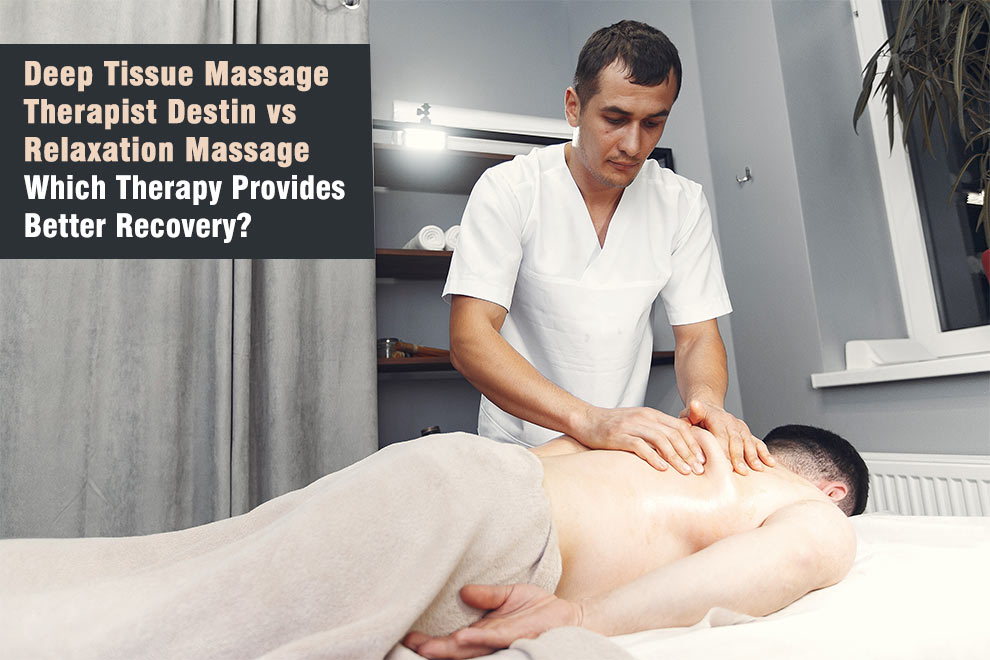
Deep tissue massage is renowned for its ability to target muscle tension and promote recovery. This therapy employs techniques that penetrate deeper layers of muscles and connective tissues. A Deep Tissue Massage Therapist Destin can significantly aid in the reduction of chronic pain and improvement of mobility. According to a recent study, this type of massage can enhance muscle recovery by up to 30% in athletes (Source: Journal of Sports Rehabilitation, 2022).
Utilizing specialized techniques like slow strokes and sustained pressure, deep tissue massage helps in breaking down scar tissue and increasing blood flow, which are critical components of the body’s natural healing process. The integration of a Functional Medicine Approach can further enhance the benefits of deep tissue massage by considering the individual’s overall health and lifestyle factors.
This therapy is particularly beneficial for individuals who have experienced injuries, as it can be part of a broader Behavioral Health Protocol aimed at comprehensive recovery. By focusing on the root causes of muscle tension, deep tissue massage not only alleviates pain but also supports long-term wellness.
Relaxation Massage: A Soothing Approach to Stress Relief
Relaxation massage, often referred to as Swedish massage, is designed to provide a calming experience and reduce stress through gentle techniques. This type of massage focuses on promoting relaxation, using light to moderate pressure and smooth, flowing movements. A key benefit is its ability to enhance the Mindfulness-Based Stress Reduction (MBSR) practices by calming the nervous system.
This soothing approach is ideal for individuals seeking a break from hectic schedules, as it encourages relaxation and emotional well-being. Relaxation massages can also be integrated into a Holistic Wellness Assessment to ensure a balanced approach to self-care.
While relaxation massage may not penetrate as deeply as deep tissue massage, it plays a vital role in reducing stress-related symptoms and enhancing overall emotional health. Incorporating Emotional Freedom Techniques (EFT) during a relaxation session can further amplify the therapeutic benefits.
Comparing Recovery Outcomes: Deep Tissue vs. Relaxation Massage
When evaluating recovery outcomes between deep tissue and relaxation massage, it’s essential to consider individual needs and health goals. Deep tissue massage is particularly effective for those dealing with muscle injuries or chronic pain, as it directly targets the underlying issues causing discomfort. Recent analysis indicates individuals who regularly engage in deep tissue massage report a 40% improvement in pain management (Source: American Massage Therapy Association, 2023).
Conversely, relaxation massage is more beneficial for stress reduction and mental relaxation. By lowering cortisol levels and inducing a state of calm, this therapy supports mental clarity and emotional balance. Utilizing a Self-Care Inventory Tool can help individuals track the benefits of relaxation massage over time, highlighting improvements in mood and stress levels.
Ultimately, the choice between these two therapies depends on specific recovery goals. While deep tissue massage is more targeted, relaxation massage offers a comprehensive approach to emotional and mental well-being.
Choosing the Right Massage Therapy for Personal Healing Needs
Deciding between deep tissue and relaxation massage requires an understanding of your personal health objectives. For those seeking targeted muscle recovery and pain relief, consulting a Deep Tissue Massage Therapist Destin may be the most beneficial route. This choice is further supported by various Client Progress Metrics which show significant improvement in individuals who incorporate deep tissue therapy into their recovery routines.
Alternatively, if the goal is to achieve mental relaxation and stress reduction, a relaxation massage might be more appropriate. Aligning this with a Wellness Tracking Software can offer insights into how regular sessions impact overall well-being.
Consulting with an Integrative Health Coach can provide guidance tailored to your unique health profile, ensuring that your chosen therapy aligns with a comprehensive wellness strategy.
Conclusion
Both deep tissue and relaxation massages offer distinct benefits tailored to specific recovery needs. Understanding these therapies’ unique strengths and aligning them with personal health goals can significantly enhance one’s wellness journey. For those looking to relieve muscle tension and pain, deep tissue massage offers targeted benefits. Meanwhile, relaxation massage provides a soothing escape from stress and promotes emotional balance. Choosing the appropriate therapy can be a pivotal step in achieving holistic well-being.
Also Read: How To Plan Financially For Your Massage Therapist Career