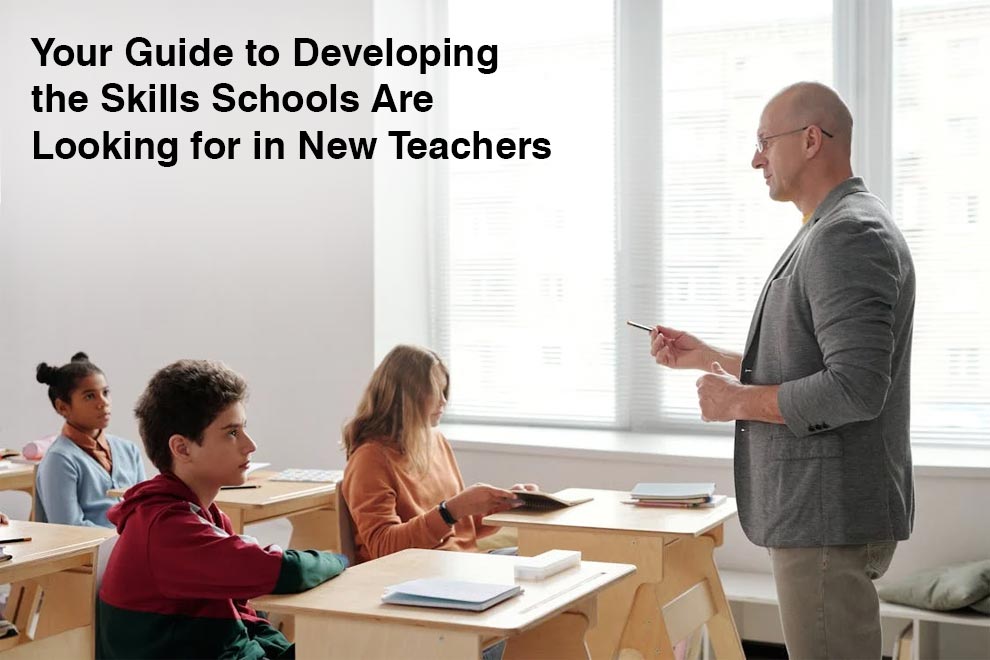
The bell rings, and twenty-five students look at you like you are supposed to know exactly what to do next. It is a quiet kind of pressure, the kind that sits in your chest while you smile and pretend you have everything under control.
The gap between what new teachers think schools want and what principals actually look for. The difference is not dramatic. It is practical. Schools are not searching for perfect lessons or flashy ideas. They are looking for people who can manage a room, build trust, follow through, and keep learning when things do not go as planned.
Understanding What Schools Actually Value
Before we talk about skills, it helps to clear up a common misunderstanding. Many new teachers believe subject expertise is the main factor in getting hired and staying hired. It matters, of course. You need to know your content. But content knowledge alone does not calm a restless class or help a struggling reader catch up.
Schools tend to value reliability over brilliance. They look for teachers who show up prepared, respond to emails from parents, submit grades on time, and follow school policies even when those policies feel tedious. It sounds basic. It is basic. Yet it is often overlooked.
There is also a strong focus on adaptability. The student needs change. District rules change. Technology platforms get replaced midyear. A teacher who can adjust without constant complaint is noticed quickly. That flexibility is not always taught directly, but it can be practiced.
Building a Strong Foundation Through Specialized Education
For many aspiring teachers, especially career changers or recent graduates, formal preparation becomes the bridge between theory and the real classroom. Graduate-level teacher training pathways, such as the MAT degree online program, are designed to address more than lesson planning. They examine child development, classroom management, assessment strategies, and the ethics of working in public and private school systems. These programs also place candidates in supervised classroom settings where mistakes can be made and corrected before full responsibility is given. That guided practice is often where confidence begins to take shape, even if it feels uncomfortable at first.
For those who need flexibility because of work or family responsibilities, online options can provide structured coursework along with field experience requirements. They combine licensure preparation, mentorship, and academic study in a format that fits adult schedules. The format matters less than the substance, but access does make a difference.
Classroom Management Is Not Optional
If there is one skill that hiring committees quietly prioritize, it is classroom management. A well-designed lesson will fail if students are not engaged or if behavior issues are left unchecked. New teachers sometimes assume management means strict discipline. It does not. It means setting clear expectations, reinforcing them consistently, and addressing problems early before they grow.
This requires presence. Students notice tone, posture, and facial expression. They notice hesitation. Confidence, even when partly acted, helps create stability. That confidence grows from preparation and repetition. It also grows from observing experienced teachers and asking questions, even when that feels humbling.
Management also includes routine. When students know what happens at the start of class, how assignments are submitted, and how transitions are handled, anxiety drops. Predictability supports learning. It also protects the teacher’s energy.
Communication with Parents and Colleagues
Teaching happens in full view. Parents write late-night emails. Administrators step into the back of the room with a clipboard. Other teachers depend on you because they share the same students. Clear, steady communication is not a bonus skill. It is part of the job. Calm replies, even when a message feels sharp, build trust over time.
Inside the building, teamwork carries real weight. Plans are made together. Support staff suggests changes. Counselors add context you did not have before. Teachers who shut their doors and go it alone struggle. Those who ask questions and accept input tend to last.
Instruction That Reflects Today’s Students
Students grow up scrolling, searching, and skimming before they even walk into class. Quick answers and short clips shape how they focus, and that reality follows them to school. Teachers do not need to outshine the internet, but they do need to understand the pace students are used to and plan with that in mind.
Good instruction now mixes approaches. Clear explanations still matter, yet discussion, practice, and hands-on work help ideas stick. The aim is steady engagement, not entertainment. Schools also expect teachers to check learning often, through small quizzes, projects, and daily observation, then adjust calmly when results show gaps.
Cultural Awareness and Inclusion
Classrooms are diverse in language, culture, and learning needs. Schools look for teachers who can respond with respect and curiosity rather than assumptions. This does not require knowing every cultural detail. It requires openness.
Simple practices matter. Learning to pronounce names correctly. Including examples in lessons that reflect different backgrounds. Being aware of holidays and family structures. These actions signal that students are seen.
Inclusion also applies to students with disabilities. Teachers are expected to follow individualized plans and provide accommodations. That might mean extended time on assignments or alternative formats for instruction. Attention to these details is part of the job. It is monitored.
Professional Habits That Sustain a Career
Schools do not just hire for skill. They quietly hire for staying power. Many new teachers leave within a few years, and administrators can sense when someone has not thought through the workload. The hours are long. Grading spills into evenings. Planning can eat up a Sunday if you let it. Early on, it helps to build a simple system and stick to it.
Steady habits matter just as much as talent. Classrooms get tense, and quick tempers make things worse. A pause before responding goes a long way. Ongoing training helps too. Small improvements, repeated over time, keep a career from burning out too fast.
Teachers who thrive are not always the most charismatic. They are not always the most creative. They are steady. They prepare carefully. They reflect on mistakes without collapsing under them. Developing the skills schools are looking for in new teachers is less about mastering a checklist and more about building habits that align with how schools operate. Graduate preparation can help. Mentorship can help. Experience will certainly help. But the mindset matters too.
Also Read: Global Conflicts and Education: The Crisis Disrupting Schools