In an ever-evolving world, social work education is poised at the forefront of innovative change. You might wonder what new developments are shaping this field. Social work education is increasingly integrating technology and experiential learning to prepare professionals for future challenges. These advancements promise to enrich the learning experience and equip social workers with the skills they need.
In recent years, the incorporation of virtual reality and online platforms has transformed how students engage with course material. These tools not only offer more flexible learning opportunities but also simulate real-world scenarios for better preparedness. This shift reflects a broader trend towards adaptable and practical education models.
You might be interested to learn how these changes are also promoting inclusivity and diversity in social work training. Educational programs are focusing on cultural competency and global perspectives, crucial elements in our interconnected world. As you read further, you’ll explore how these trends are reshaping social work education for the better, ensuring that the professionals of tomorrow are well-prepared for their roles.
Emerging Trends Shaping Social Work Education
Social work education is evolving with the integration of new technologies, a stronger emphasis on teamwork across disciplines, a broader scope for practical field engagement, and a deep-rooted commitment to diversity and inclusion. These changes are altering how future social workers are being trained for modern challenges.
Integration of Technology in Learning
Technology has become an essential component of social work education. Virtual classrooms and online modules offer flexibility for students to balance their studies with other commitments. Innovations such as simulated client interactions and digital storytelling provide hands-on experiences in a virtual setting. These tech-driven approaches enable students to hone their skills in a safe environment before engaging in real-world situations.
Additionally, students are gaining skills in using data analytics tools to assess client needs and outcomes more effectively. With the growing presence of telehealth services in social work practice, technology is enhancing the reach and effectiveness of interventions across various communities.
Emphasis on Interdisciplinary Collaboration
Social work education is increasingly focusing on interdisciplinary collaboration. Students are encouraged to work alongside peers from nursing, education, law, and other fields to develop a comprehensive understanding of multifaceted social issues. Workshops, joint projects, and cross-field seminars are becoming integral components of the curriculum.
This collaborative approach fosters a holistic problem-solving mindset. By learning to view challenges from various professional perspectives, you can build stronger, more supportive networks that are essential in addressing complex societal needs.
Expansion of Fieldwork and Community Engagement
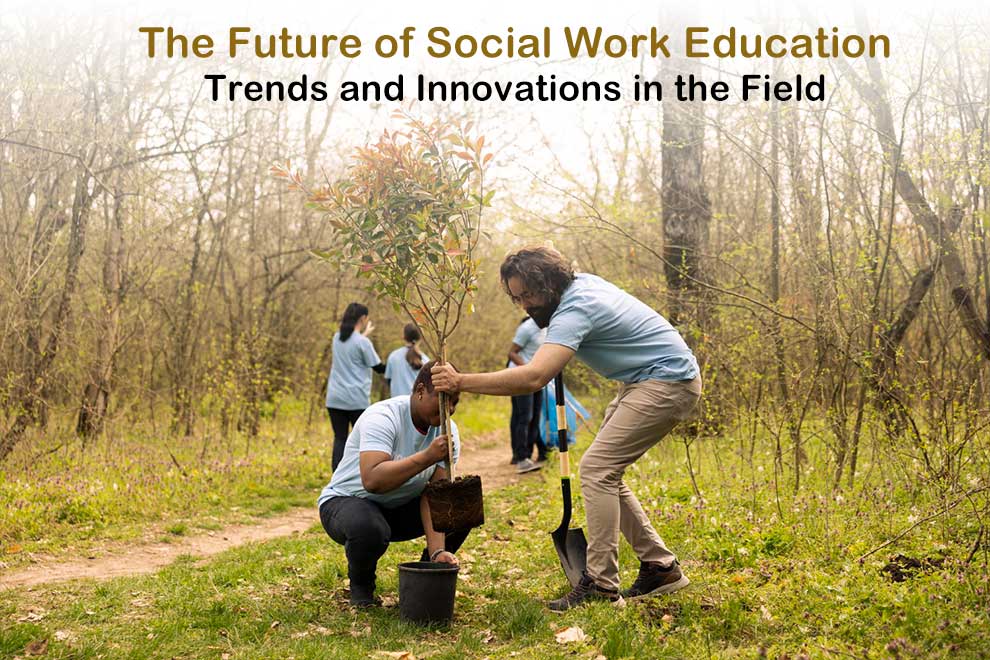
Fieldwork and community engagement have always been crucial to social work education, but their scope is expanding. Students are now more actively involved in grassroots initiatives and community-based projects. These experiences provide firsthand insights into the social dynamics and challenges that affect different communities.
By working directly in the field, you gain a deeper understanding of the practical applications of theoretical knowledge. This experiential learning creates more resilient, empathetic, and proactive social workers who are better equipped to make meaningful contributions to society.
Focus on Diversity, Equity, and Inclusion
There is a growing focus on diversity, equity, and inclusion within social work education. Classes are designed to address systemic biases and promote cultural competency. This ensures that students are well-prepared to work with diverse populations in a respectful and inclusive manner.
Training now often includes case studies and role-playing exercises to help students understand different cultural perspectives and the impacts of inequality. You develop empathy and awareness by engaging with these critical issues, preparing you to advocate effectively for marginalized communities and influence positive social change.
Innovative Teaching Methods and Tools
In adapting to the continuously evolving landscape of social work education, educators are employing novel approaches. These trends include the integration of realistic simulations, flexible online courses, and data-driven insights into student progress.
Simulation-Based Learning Experiences
Simulation-based learning is transforming how social work students engage with real-world scenarios. Interactive simulations—like role-playing with actors or virtual reality exercises—provide safe spaces to practice skills and learn from mistakes. This hands-on experience builds confidence and practical insight before entering actual fieldwork.
Benefits include immediate feedback, high engagement, and the ability to repeat scenarios until learning goals are met. By fostering critical thinking and decision-making, simulations make the learning process more impactful and effective.
Online and Hybrid Course Delivery
Advances in technology and societal shifts have made online and hybrid courses increasingly popular in social work education. These flexible formats let you balance studies with personal and professional commitments, access diverse resources, and engage with peers and instructors virtually. Many programs now offer online access to higher education diploma in social work, expanding opportunities for students in remote locations.
Key advantages include accessibility for remote students and the ability to tailor learning pace and style. Hybrid models combine in-person and online learning, offering a comprehensive experience that reaches broader audiences effectively.
Use of Data Analytics in Student Assessment
Data analytics is a powerful tool for tracking and improving student learning outcomes. Educators can monitor progress, identify areas needing support, and provide personalized feedback in real time.
Performance trends displayed via dashboards and tables help students recognize strengths and target growth areas. This data-driven approach ensures learning is aligned with field competencies and fosters continuous improvement throughout the educational journey.
Preparing Social Workers for Future Challenges
Social work education is evolving to address new realities. It’s crucial to equip social workers with skills in digital practice, cultural competence, and mental health self-care to help them navigate future challenges effectively.
Training for Digital Social Work Practice
Digital platforms have rapidly become integral to social work. To prepare for this shift, you’re encouraged to familiarize yourself with online tools and platforms that facilitate communication and case management. Training in digital ethics is also vital to ensure privacy and build trust when using virtual platforms.
Consider participating in workshops or obtaining certifications that focus on digital competencies. These experiences enhance your ability to offer virtual counseling sessions or use social media responsibly for community outreach. Being adaptable and tech-savvy can greatly enhance your effectiveness in a landscape increasingly shaped by technology.
Developing Cultural Competence
Cultural competence enables you to connect with diverse communities effectively. This skill involves understanding different cultural backgrounds, languages, and traditions. Engaging with diverse populations requires sensitivity and an open mind, so it’s essential that your education provides you with real-world experiences through internships or community projects.
Language proficiency and knowledge of local cultural practices can be beneficial. Participating in workshops that challenge biases and broaden perspectives can help you approach each situation with empathy and understanding. The goal is to ensure that you are well-equipped to offer services that respect and honor cultural differences.
Mental Health and Self-Care Curriculum
As a social worker, you’ll often face emotionally taxing situations. It’s crucial that you learn to manage your mental health and practice self-care effectively. Comprehensive training programs should include teachings on mindfulness techniques and stress management strategies.
These programs might also offer insights into the importance of work-life balance. Explore resources such as counseling or peer support groups that can provide guidance and emotional relief. By prioritizing your well-being, you’re better prepared to provide sustained support to the individuals and communities you serve.
The Evolving Role of Accreditation and Policy
Accreditation and policy in social work education are undergoing significant changes. By revisiting educational standards and addressing workforce demands, these shifts aim to better prepare students for the realities of the field.
Updating Educational Standards
Educational standards in social work are evolving to address modern challenges. Competency-based education is gaining momentum, emphasizing practical skills over traditional coursework to ensure students can apply knowledge effectively in real-world settings.
Accreditation bodies are also integrating new technology standards. As digital tools become central to practice, schools are updating curricula to include training in digital client interactions and data management. In addition, diversity and inclusion are now core accreditation requirements, with greater emphasis on cultural competency and ethical practice to prepare students for work in diverse environments.
Responding to Workforce Demands
As the social work profession changes, educational policies are adapting to workforce needs. Interdisciplinary collaboration is increasingly emphasized, with training that prepares students to work alongside professionals in healthcare, education, and law.
Mental health training has also become a priority as demand for services grows. Educational programs are strengthening their focus in this area to better prepare future social workers. Fieldwork placements are expanding to offer more diverse, hands-on experiences, helping students gain practical insight and enter the job market well-prepared.
Conclusion
Social work education is evolving through technology, simulation-based learning, and interdisciplinary training, equipping students with practical skills, cultural competence, and digital proficiency.
Emphasizing diversity, mental health, and self-care ensures professionals are resilient and empathetic. These innovations prepare future social workers to meet community needs effectively and make a lasting impact.
Also Read: Why Lifelong Learning is Becoming Essential for Educators