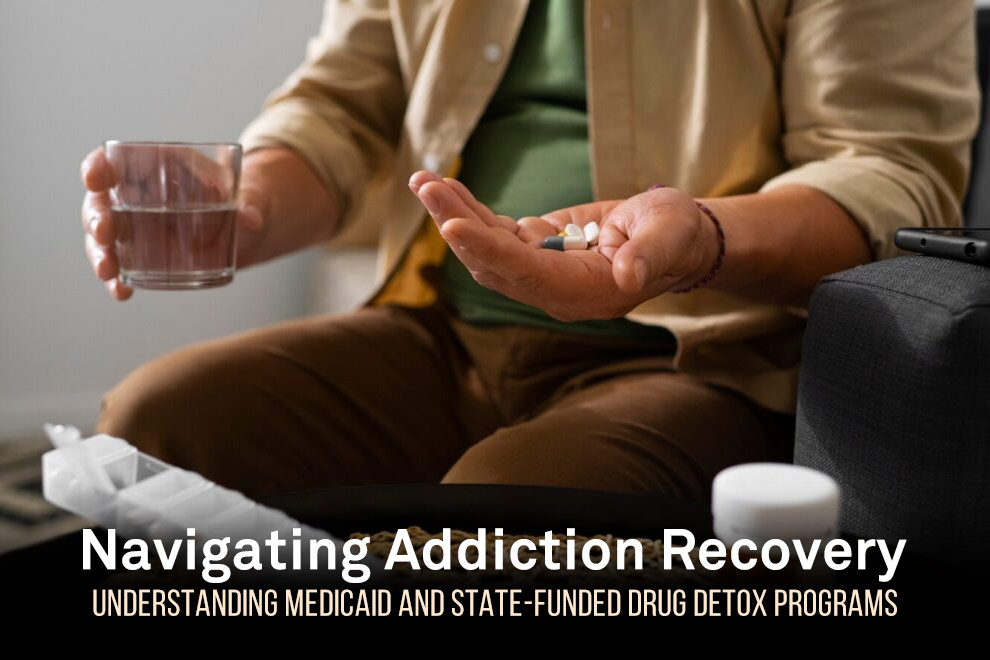
Addiction hits hard. It can feel like you’re drowning in a storm with no way out. That’s why drug detox—the process of clearing your body of substances under medical care stands as the key first move toward healing. For many, money blocks the path to this vital step, turning hope into despair.
Medicaid steps in as a lifeline. It covers treatment for substance use disorder (SUD) for low-income folks across the U.S. State-funded programs fill other gaps, offering help even if you don’t qualify for Medicaid. In this guide, you’ll learn how these options work, from eligibility to getting admitted. Let’s break it down so you can take that first step.
Medicaid: The Foundation for Substance Use Disorder Treatment Coverage
Medicaid forms the backbone of affordable SUD care. It helps millions access detox and beyond without breaking the bank. You don’t have to face addiction alone when this safety net exists.
Eligibility Requirements for Medicaid and SUD Services
Qualifying for Medicaid depends on your income and where you live. Most states set limits at 138% of the Federal Poverty Level, thanks to the Affordable Care Act (ACA) expansions. If your state didn’t expand, thresholds might sit lower, around 100% or less.
Certain groups get priority. Pregnant women often qualify right away, no matter their income in many places. People with disabilities or kids under 19 also find easier entry. Check your state’s rules online or call a local office to see if you fit.
What Medicaid Covers in Detox and Residential Treatment
Under federal rules like 42 CFR Part 2, Medicaid pays for safe withdrawal from drugs. This includes doctor-supervised detox, where staff monitor your vitals and ease symptoms. Inpatient stays in residential centers count too, often with meds to help, like buprenorphine for opioid detox.
Medication-Assisted Treatment (MAT) might start during detox. It uses drugs to cut cravings and prevent relapse. But not everything’s covered fully—long-term outpatient sessions after your stay could need extra steps or copays.
Limits exist, so watch out. Some states cap detox days at seven. For more, you might pay out-of-pocket or get a referral to free clinics. Always ask upfront what your plan includes.
State-Funded Drug Detox Programs: Alternative Pathways to Care
State funded drug rehabs shine when insurance falls short. They use public money to offer detox for those without coverage. Think of them as community bridges over financial hurdles in addiction recovery.
Understanding State Block Grants and SAMHSA Funding
Federal cash from SAMHSA flows to states as block grants. These funds go to health departments or behavioral health offices. They target urgent needs, like detox for the uninsured.
States decide how to spend it. Often, it pays for short-term crisis care over long rehab. In California, for example, grants support regional centers that handle detox rushes.
This setup ensures quick access. No one waits forever in a true emergency. It’s about stabilizing you now, then linking to next steps.
Sliding Scale Fees and No-Cost Treatment Options
Many state detox spots use sliding scales. Your fee drops based on what you earn—zero if you’re broke. “Free” programs pop up too, fully funded for the neediest.
Take Texas: Local health authorities run centers with no-cost 72-hour holds for severe cases. In New York, state aid covers detox beds at public hospitals for low earners.
These options ease worry. You focus on getting clean, not the bill. Call your state’s hotline to find one near you.
- Check income docs before applying.
- Some spots require a quick interview.
- Fees adjust yearly, so verify current rates.
The Role of Local Mental Health Authorities (LMHAs)
LMHAs act as your local guide. These county groups screen for state-funded care and match you to detox. They start with a chat about your needs.
In places like Florida, LMHAs handle intakes at crisis lines. They assess if detox fits or if outpatient works better. Documentation? Bring ID and proof you live there.
Find yours easily. Search “LMHA [your county]” online. Call during business hours for an appointment. They guide you through without judgment.
The Application and Intake Process: From Crisis to Admission
Getting into detox takes clear steps. It starts with a call or visit, leading to care. Don’t delay—early action saves lives.
Pre-Screening Requirements and Immediate Triage
Intake begins with a bio-psycho-social check. Staff ask about your drug use, health, and home life. This decides if you need full detox or lighter help.
Bring basics: photo ID, residency proof like a bill, and any insurance card. If you’re in crisis, ERs can triage fast under state rules.
The process feels straightforward. Answer honestly; it’s confidential. Most screenings last under an hour.
Navigating Waitlists and Crisis Placement
Beds fill quick in state programs. Waitlists happen, but crises jump the line. Use ERs for immediate detox if needed—they link to funded spots.
Guidelines from groups like ASAM set medical need. Severe withdrawal symptoms, like seizures risk, mean priority placement.
Strategies work: Call multiple centers. Ask for temporary sober living referrals. Persistence pays off.
- Track wait times by calling daily.
- Have a backup plan, like a hotline.
- Document symptoms for stronger cases.
Understanding Continuity of Care Post-Detox
Detox lasts just 3-7 days. It’s the opener, not the whole show. Medicaid or state funds then cover residential or outpatient follow-up.
Ask about your 90-day plan during admission. Counselors outline how coverage shifts to intensive programs. This keeps momentum going.
Without it, relapse risks climb. Integrated care treats the root. Push for that seamless handoff.
Special Considerations for Specific Populations
Not everyone fits the standard mold. Tailored options exist for key groups. Let’s cover them so you see the full picture.
Coverage for Pregnant Women and Postpartum Care
Pregnant women get Medicaid boosts. Coverage starts early and lasts through postpartum, often a full year. It includes detox safe for baby and mom.
States run special programs. In Illinois, they blend prenatal checkups with SUD treatment. Co-occurring issues, like withdrawal effects on pregnancy, get focused care.
This setup protects both. No one should suffer alone. Reach out via OB-GYNs for links.
Addressing Co-Occurring Disorders (Mental Health Integration)
SUD often pairs with mental health woes. Federal parity laws demand Medicaid cover both equally. Detox programs integrate therapy for depression or anxiety.
Data shows over 50% of SUD folks have co-occurring issues. Treatment plans blend meds and counseling. This holistic approach boosts success.
Ask for dual-diagnosis spots. They handle the whole you. Recovery thrives this way.
Conclusion: Securing a Future Through Funded Treatment
Medicaid offers steady coverage for SUD detox and more. State-funded paths catch those who slip through, ensuring care for all. Money shouldn’t stop your recovery— these tools make it possible.
Key takeaways:
- Check Medicaid eligibility first; it covers detox widely for qualifiers.
- Reach your local Mental Health Authority for state aid options.
- Confirm coverage with providers before starting detox.
Take action today. Call a hotline or visit a site. Your path to freedom starts now one step at a time.
Also Read: Top Cancer Drugs for Lung, Breast & Ovarian Cancer Treatment