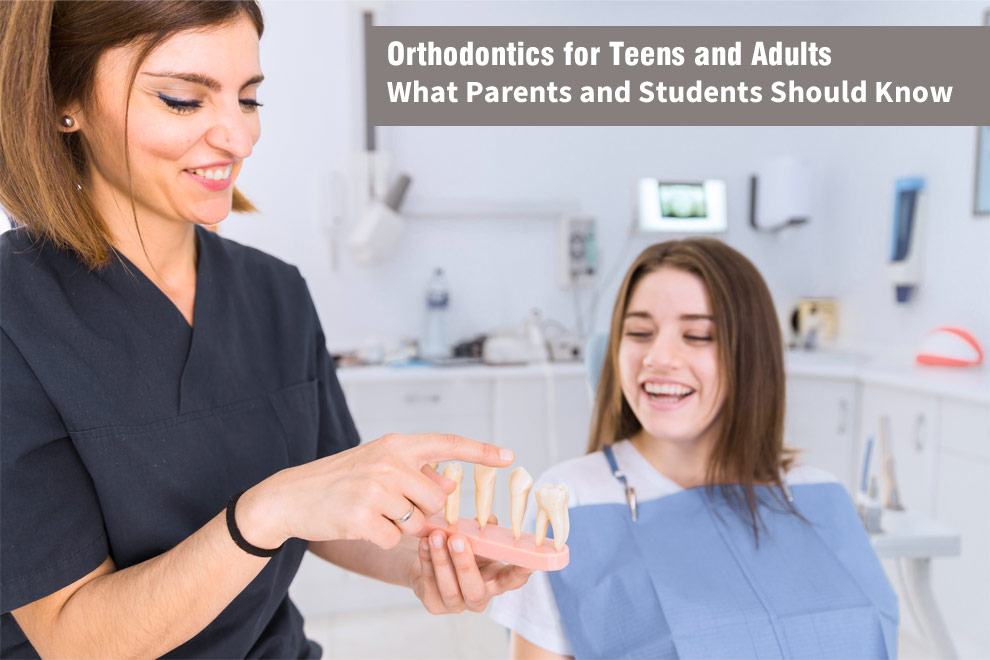
Braces have become something of a rite of passage for many teenagers. School photos, sporting events and formals are often marked by flashes of metal or clear aligners. But orthodontics isn’t just for teens anymore. Increasingly, adults are seeking treatment too, whether to fix issues they never addressed as children or to correct changes that have developed over time.
For parents and students, understanding orthodontic treatment can make decisions easier. It’s not only about appearance. Straighter teeth can be easier to clean, and a well-aligned bite can help teeth and jaws function properly. If you’re wondering how to deal with crooked teeth, it’s worth learning about the causes, treatment options and what to expect along the way. This article provides general information only, so speak with a dentist or orthodontist about individual circumstances.
Why teeth become crooked
Crooked or misaligned teeth are common and can happen for many reasons. Genetics play a big role, as jaw size, tooth size and bite patterns are often inherited.
Childhood habits, such as thumb sucking, prolonged dummy use or tongue thrusting, can affect how teeth and jaws develop. Losing baby teeth too early or too late can also influence how adult teeth come through.
Crowding occurs when there isn’t enough space in the jaw for all the teeth, while spacing issues occur when there’s too much space. Bite problems, such as overbites, underbites, crossbites and open bites, affect how the upper and lower teeth meet.
Teeth can also shift over time, even in adulthood, due to ageing, tooth loss or gum disease.
Why orthodontic treatment matters
Orthodontic treatment can improve the appearance of a smile, which can boost confidence, particularly during the teenage years. But the benefits go beyond appearance.
Crooked or crowded teeth can be harder to clean, increasing the risk of plaque build-up, tooth decay and gum disease. Bite problems may cause uneven wear on teeth, jaw discomfort or difficulty chewing and speaking.
For students, confidence can affect social life, participation in class and willingness to speak in public. Treatment can help some young people feel more comfortable smiling and interacting with others.
When to see an orthodontist
Many dentists recommend an orthodontic assessment around the age of seven, when adult teeth are beginning to come through. Early assessment can identify potential problems and allow for timely intervention if needed. However, not every child needs early treatment.
Most orthodontic treatment begins during the early teenage years, when most adult teeth have erupted and the jaw is still growing. This can make it easier to guide teeth into position.
Adults can also benefit from orthodontic treatment. While treatment may take a little longer because the jaw has stopped growing, it can still be very effective.
Treatment options
Orthodontic treatment has come a long way, offering more options than ever.
Traditional metal braces are durable, effective and often the most affordable option. Modern braces are smaller and more comfortable than in the past, and coloured bands can make them fun for teens. Ceramic braces work like metal braces but use tooth-coloured or clear brackets, making them less noticeable.
Clear aligners are removable, transparent trays custom-made to gradually move teeth. They’re popular with teens and adults who want a discreet option. However, they need to be worn for most of the day and night to be effective, which requires discipline.
Lingual braces are attached to the back of the teeth, making them hidden from view. They can be more expensive and may take some getting used to.
Your orthodontist will recommend the best option based on the type of correction needed, age, lifestyle and budget.
What to expect and how to look after your teeth
Orthodontic treatment usually takes anywhere from several months to a few years, depending on the complexity of the case. Regular appointments are needed to adjust braces or check progress with aligners.
Some discomfort is normal, especially after braces are fitted or adjusted. This usually settles within a few days. Soft foods and over-the-counter pain relief, as advised by a health professional, can help.
After treatment, retainers are essential to keep teeth in their new positions. Teeth can shift back over time, so wearing retainers as instructed is important.
Good oral hygiene is especially important during orthodontic treatment. Food and plaque can easily get trapped around brackets and wires, increasing the risk of decay and gum problems. Brush carefully twice a day, clean between teeth and around brackets daily, and attend regular dental check-ups. Avoid sticky, hard or sugary foods that can damage braces or contribute to decay. If you play contact sports, wear a mouthguard designed for use with braces.
Costs, planning and confidence
Orthodontic treatment can be a significant investment. Costs vary depending on the type of treatment, complexity and length of care. Many practices offer payment plans, and some private health insurance policies provide cover for orthodontics. Check your policy and waiting periods before starting treatment.
Orthodontic treatment can make a lasting difference to oral health, function and confidence. Whether you’re a parent considering treatment for your child or a student or adult thinking about your own smile, speaking with a dentist or orthodontist is the best first step.
Also Read: 6 Lucrative Careers You Can Consider as a Future Medical Student