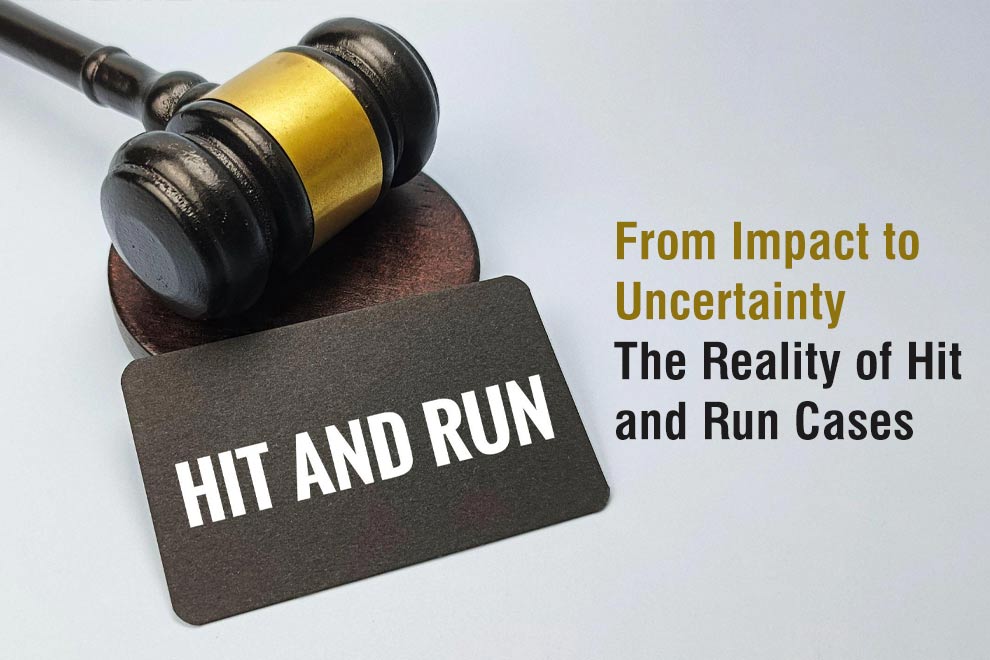
A sudden collision can leave more questions than answers, especially when one side simply disappears without a trace. That absence changes everything, turning a clear situation into something uncertain and difficult to handle. People often expect that accidents come with accountability, but hit-and-run cases break that expectation in a harsh way.
The road feels incomplete, the story feels unfinished, and the next steps are not always clear. Recovering damages after a hit and run becomes a serious concern in such situations, and the process is rarely as simple as it should be, which makes this worth understanding properly.
The Immediate Aftermath Feels Unclear
The first phase after a hit-and-run accident is often filled with confusion. There is no driver to speak to, no explanation, and no clear answer about what just happened. This lack of information creates a gap that makes everything harder to process.
Without the other party present, even basic details can feel uncertain. People are left trying to recall small things, such as the color of the vehicle or the direction it moved in, and these details may not always be accurate. This moment of confusion often shapes the rest of the situation, making it difficult to move forward with confidence.
Why These Cases Become Complicated
Hit and run cases are not simple because one key part is missing. The driver who caused the accident is not there to take responsibility, and that creates a challenge from the very beginning. Without that person, it becomes harder to prove fault and build a clear case.
Evidence at the scene may be limited, and there may be no witnesses who can provide useful information. In such cases, a victim of a hit-and-run case often faces delays and complications that would not exist in a normal accident. This missing link adds pressure to every step that follows and makes the process more demanding than expected.
Injuries and Damage Still Matter
Even though the driver is gone, the impact of the accident remains. Physical injuries need attention, and they do not wait for clarity. Head injuries, fractures, and internal pain can all develop, and some of these may not show signs immediately.
Vehicle damage also needs repair, and this adds to the overall burden. The absence of the driver does not reduce the seriousness of these problems. Instead, it makes them harder to handle because there is no direct source of responsibility. This situation often leaves people dealing with both physical recovery and practical concerns at the same time.
The Role of Insurance Becomes Central
In hit-and-run cases, insurance often becomes the main path forward. Since the other driver cannot be identified, claims may need to be handled through personal coverage. This process can feel confusing, especially for those who are not familiar with how it works.
Insurance companies may ask for detailed information and proof of the accident. They may also review claims carefully before making any decision. This means that proper documentation becomes very important, and missing details can slow down the process.
Understanding how insurance works in such situations can help reduce some of the uncertainty, but it still requires patience and attention to detail.
Legal Challenges That Many Do Not Expect
The legal side of a hit-and-run case is often more complex than people expect. Proving that the accident happened as described can be difficult without the other driver present. This makes evidence and records even more important than usual.
Delays are also common, as cases may take longer to move forward. Insurance companies may question claims, and this can create additional pressure. Without proper guidance, it becomes easy to miss important steps that could affect the final outcome.
Knowing the legal process and staying careful with each step can make a difference, even though the path may still feel uncertain.
Steps That Can Make a Difference
Taking the right actions early can help manage the situation more effectively. Simple steps can support the process and reduce confusion later.
- Contact the police and report the accident as soon as possible.
- Seek medical attention even if the injury seems minor at first.
- Collect any available evidence, such as photos or nearby details.
- Note down anything remembered about the vehicle or driver.
- Avoid delays in reporting the incident to the insurance company.
These steps may seem basic, but they can have a strong impact on how the case develops over time.
A Closing Perspective
Hit and run cases carry a unique kind of uncertainty that does not exist in other accidents. The absence of the driver creates gaps that make every step more challenging, from understanding the event to handling its effects.
The situation may feel incomplete, but the impact is very real and needs proper attention. Recovering damages after a hit and run is possible, but it often requires careful action and a clear understanding of the process, which makes awareness one of the strongest tools in such cases.