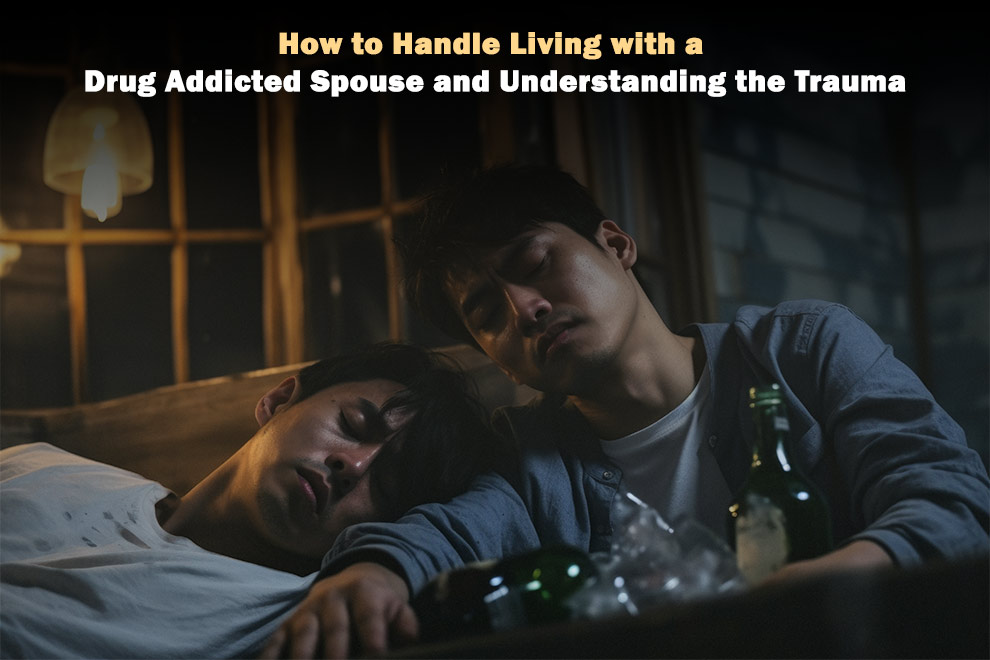
Living with a spouse who battles drug addiction feels like walking through a storm that never ends. You wake up each day to uncertainty, heartbreak, and a constant pull between love and self-preservation. This hidden chaos affects not just your partner, but your entire world—your home, your health, your hopes. At the same time, addiction often hides deeper roots, like old wounds from trauma that keep the cycle going. This guide cuts through the confusion. It offers real steps to manage daily life with an addicted spouse, while unpacking how unresolved trauma fuels substance abuse. You’ll find tools to protect yourself, set limits, and spot the path to healing for both of you.
Recognizing the Reality and Establishing Immediate Boundaries
Understanding Substance Use Disorder vs. Choice
Addiction is a brain disorder that changes how people think and act. It’s not just a bad habit or weak will—it’s like a hijacked wiring in the mind that craves drugs over everything else. Studies show that about 40% of adults with substance use disorder also face mental health issues, making it clear this is a health crisis, not a simple choice. As a spouse, you might blame yourself or them, trapped in denial that whispers, “They’ll snap out of it.” But spotting the truth helps you shift from anger to action.
Look for signs like mood swings that hit out of nowhere, money vanishing without a trace, or lies piling up about small things. These red flags go beyond finding drugs—they show the addiction’s grip on daily life. Track patterns in a private journal to stay clear-headed. This awareness lets you respond with facts, not just feelings.
The Non-Negotiable Role of Boundaries
Boundaries act as your shield in this fight. They keep you safe without pushing your spouse away completely. Start with financial safety in addiction by separating bank accounts and locking down joint assets—addiction can drain savings fast. Emotionally, step back from fixing their messes; don’t cover for missed work or bail them out of jams. And for physical safety, have a plan to leave if things turn scary, like locking a spare room or staying with family.
When to Involve Professional Intervention
Call in Dana Point drug rehab when talks fail and risks rise. An intervention brings loved ones together to express concern and urge treatment, guided by a trained specialist to avoid fights. Prep by gathering facts on local rehab options and what recovery looks like. Involve family or close friends who care, but keep the circle small to stay focused.
Build a support team first—talk to a counselor about your fears. This united front shows your spouse they’re not alone, but the choice is theirs. Pros handle the tough moments, raising success rates for getting into treatment. If violence looms, prioritize safety and contact hotlines like the National Domestic Violence Hotline right away.
The Deep Connection: Unresolved Trauma and Substance Abuse
The Self-Medication Hypothesis Explained
Many turn to drugs to dull pain from past hurts. The self-medication idea points out how trauma survivors use substances to quiet racing thoughts or numb fear. Research from the CDC links high Adverse Childhood Experiences—like abuse or loss—to a 7-10 times higher risk of addiction in adulthood. Drugs flood the brain with calm, fixing what trauma broke in the nervous system, at least for a short time.
Picture trauma as a broken alarm that won’t stop blaring—drugs hit the mute button temporarily. But the noise returns louder, pulling people back in. Experts in PTSD note that without healing the root, sobriety slips away. This link explains why some spouses see addiction flare during stress, tied to old scars.
Trauma Manifestations in Adult Relationships
Unhealed trauma shows up in marriages as wild emotions or pulling away. Your spouse might lash out over nothing, a echo of childhood neglect, or cling too tight in codependency. This creates trauma bonding, where pain mixes with love, making it hard to leave. You, too, face betrayal trauma—the shock of broken trust from someone close.
Co-occurring disorders, like addiction plus anxiety, tangle everything. One study found 50% of addicts have untreated trauma, turning small fights into blowups. Spot these signs: constant apologies, isolation from friends, or cycles of promise and relapse. Understanding this shifts blame from “why you?” to “what happened before?”
Strategies for Personal Survival and Emotional Preservation
Detaching with Love: Protecting Your Mental Health
Detach to care without drowning in their storm. This means loving them but owning your peace—not chasing their sobriety like a full-time job. Signs of burnout hit hard: sleepless nights, lost appetite, or snapping at kids over nothing. Caregiver fatigue sneaks in when you play rescuer, forgetting your own needs.
Try simple mindfulness to stay steady. Breathe deep for five counts when tension builds—inhale calm, exhale worry. Or walk alone daily to clear your head. These steps ground you amid chaos. Remember, their choices aren’t your burden; detaching frees you to support from a stronger place.
Seeking Support for Yourself: The Essential Non-Negotiable
You can’t pour from an empty cup—get help now. Join Al-Anon meetings, where spouses share stories and learn to let go. Or try SMART Recovery Family & Friends for practical tools without the spiritual angle. Therapy tailored for partners unpacks your grief and builds strength.
Support groups for spouses of addicts connect you with others who get it—no judgment, just real talk. One session might reveal you’re not crazy for feeling trapped. Online forums add flexibility, but in-person bonds heal deepest. Make this weekly; it’s your lifeline.
Communication Tactics During Active Addiction and Early Recovery
De-escalation Techniques for Volatile Conversations
Fights explode fast when addiction rules. Use “I” statements to cool things: “I feel scared when promises break,” not “You always lie.” This owns your side without attack. Stay calm—walk away if voices rise.
When you suspect they’re high, keep it short: “I see you’re not yourself; let’s talk later.” Practice in the mirror to build nerve. These tools cut through fog, setting boundaries with an addicted spouse without war.
Managing Relapse Conversations Proactively
Relapse stings, but plan ahead to handle it. Agree on rules upfront: “If it happens, we call the sponsor first—no hiding.” This strips the surprise, focusing on next steps over blame.
Discuss calmly in sober times—what triggers look like, who to contact. Consequences stay consistent, like pausing shared plans. Prepped talks turn setbacks into lessons, keeping hope alive.
Conclusion: Building a Path Forward, Regardless of the Outcome
Handling life with a drug addicted spouse demands grit, but it starts with you. Firm boundaries, self-care, and grasping the trauma-addiction tie give you power. Addiction thrives on silence; break it with action and support. Healing the past boosts chances for real change, yet your peace comes first.
- Boundaries protect you, not punish them.
- Treat trauma with addiction for lasting wins.
- Prioritize your health, no matter their path.
Reach out today—book a therapy spot for yourself or explore dual diagnosis options for your spouse. One call can spark the shift you need. You’re not alone in this fight.
Also Read: Navigating Addiction Recovery: Understanding Medicaid and State-Funded Drug Detox Programs