In many rural American towns, the school district does more than educate children. It anchors families, absorbs change, and reflects the character of the community it serves. In Waynesville, Missouri, that role carries even greater weight. Just outside the gates of Fort Leonard Wood, classrooms welcome students whose lives often follow military timetables, where goodbyes and new beginnings arrive more often than in most places.
The Waynesville R-VI School District traces its roots to 1860. Nearly a century later, on August 9, 1949, six small schools, Anderson, Hooker, Maze, Mount Gibson, Shady Grove, and Shockley, came together under one reorganized district. That consolidation marked more than an administrative shift. It signaled a shared commitment to give local children broader opportunities while preserving the strength of a close-knit rural community.
Today, the district serves 6,161 students from prekindergarten through twelfth grade. More than 60 percent of them come from military-connected families, making the district one of the most military-impacted in the nation. Students speak more than thirty languages. Thirty-eight percent qualify for free or reduced-price meals. The district operates with a per-pupil expenditure below the state average, yet it carries the responsibility of meeting wide-ranging academic and social needs.
Through every chapter of its history, the district has kept a steady focus. Guided by its commitment to Leading the Way, Every Day, its mission centers on inspiring students to learn, lead, and leave a lasting impact on their communities. Its vision sets a clear aim to become a school community where students are empowered to lead with integrity, serve, and make a meaningful difference in the world. In a town shaped by service and movement, Waynesville R-VI continues to build stability in the one place that matters most to families: the classroom.
A District Built to Serve Every Stage of Learning
Waynesville R-VI operates fourteen schools serving students from prekindergarten through twelfth grade, along with adult education programs offered through the Waynesville Career Center. The structure reflects careful planning. Each campus supports a specific age group, allowing staff to focus on the academic and social needs unique to that stage of growth.
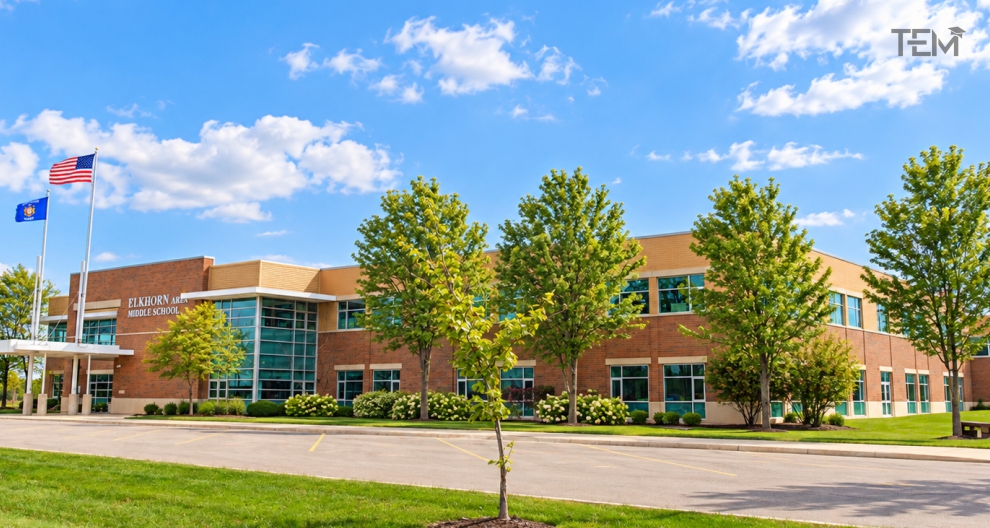
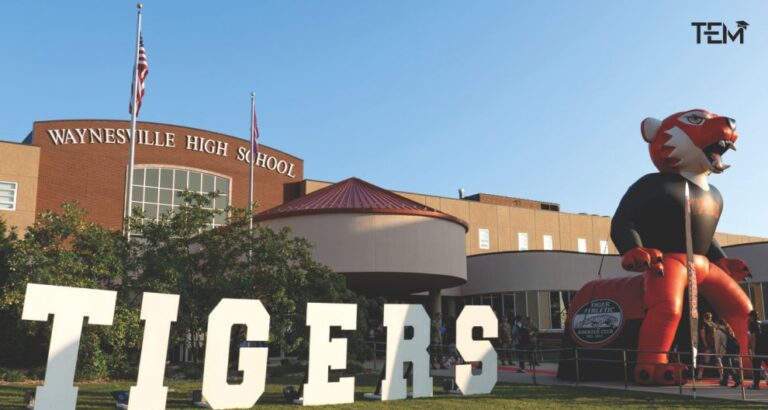
Early learners attend Williams Early Childhood Center, Parker Educational Center, Pick Educational and Volunteer Center, and Freedom Elementary. Students in first through fifth grade move through East, Freedom, Partridge, Thayer, and Wood Elementary Schools. Sixth graders learn together at Waynesville Sixth Grade Center before advancing to Waynesville Middle School for seventh and eighth grades. High school students attend Waynesville High School, while the Career Center serves learners from ninth grade through adulthood.
The district serves families across Waynesville, St. Robert, and Fort Leonard Wood, uniting neighboring communities under one system.
Academic Programs Designed for Growth and Opportunity
Across every campus, Waynesville R-VI builds its academic framework around one clear idea: growth matters. Teachers deliver a relevant curriculum grounded in research-based strategies and hands-on learning. Classrooms encourage students to ask questions, test ideas, and think through problems. That mindset begins early and continues through graduation.
The district places a strong focus on early intervention and enrichment. Staff members identify learning gaps quickly and respond with targeted support. At the same time, advanced learners find opportunities to stretch their abilities. Social-emotional development remains central, with programs such as Leader in Me helping students build confidence, responsibility, and leadership skills.
At the secondary level, students choose from a wide range of pathways. Waynesville High School and Waynesville Career Center offer twenty-two Advanced Placement courses and thirty dual credit options. The Career Center features nineteen career programs, while a respected JROTC program develops discipline and service-minded leadership.
Leadership Grounded in Service
Superintendent Hilary Bales leads the Waynesville R-VI with a clear focus on service and relationships. She views her role as staying present and connected in a district that includes fourteen schools. Rather than remaining in an office, she spends time in buildings and with people. Teachers, administrators, cooks, custodians, secretaries, students, and families see her not as a distant figure, but as someone who listens and responds.
Her work also reaches beyond the district. Bales advocates at the national level for military-connected students and their families. She contributes to efforts connected to the Interstate Compact, Federal Impact Aid, and B-2 Heavily Impacted Aid, each designed to secure fair support for districts serving military communities and other federal lands.
Within the district, decisions grow from collaboration. Staff input, student needs, and ongoing reflection shape priorities. Any success, she maintains, belongs to the collective effort. Recognition matters because it represents steady teamwork focused on student growth and well-being.
Defining Educational Excellence
For the Waynesville R-VI, educational excellence begins with a simple question: What does each student need right now? The district defines success as meeting students where they are and helping them reach the next level. Progress looks different for every child, and the system adjusts to support that growth.
Strategic planning does not happen behind closed doors. Parents, students, teachers, staff, administrators, and community members contribute to the district’s Comprehensive School Improvement Plan. That shared input shapes priorities through 2031, including teaching and learning, facilities and safety, stakeholder engagement, human resources, fiscal management, and leadership.
The larger goal remains steady. The district prepares students for many paths: the workforce, the military, technical training, apprenticeships, two-year colleges, and four-year universities.
Results help measure that progress. Survey feedback, Missouri MAP scores, and recognition from U.S. News & World Report reflect how the district performs across the state.
Meeting Students Where They Are
Diversity shapes daily life in the Waynesville R-VI. Students arrive with different languages, learning styles, life experiences, and academic starting points. The district responds with intention. Teachers use varied instructional strategies and differentiate lessons to match individual needs. Some students benefit from small-group instruction. Others engage through hands-on projects or structured discussion. The approach shifts so that learning remains accessible.
Support begins early. Staff members identify challenges quickly and provide intervention before gaps widen. At the same time, enrichment opportunities allow advanced learners to move further and faster. Social-emotional learning also plays a steady role, helping students build confidence, resilience, and healthy relationships alongside academic skills.
Transitions receive careful attention. Through the Student 2 Student program, new students pair with peer mentors who help them adjust to schedules, routines, and school culture. In a district with many military-connected families, that peer support often makes the difference between feeling isolated and feeling at home.
Partnerships That Strengthen the Community
Strong schools depend on strong relationships, and Waynesville R-VI builds those relationships through steady communication and shared purpose. District leaders, educators, parents, and community partners stay in conversation about goals and expectations. That dialogue keeps priorities aligned and ensures that schools reflect the needs of the families they serve.
Local organizations and civic groups play an active role. Businesses and community partners connect students to real-world learning experiences, career pathways, and practical resources. These collaborations help students see how classroom lessons apply beyond school walls.
The district also opens its facilities to nonprofit groups, creating space for youth sports, enrichment programs, and community activities. Parents and volunteers contribute time and energy to support events, mentoring, and daily school life. Together, these efforts create a network of support that extends well beyond the classroom.
Student Life Beyond the Classroom
Student life across Waynesville R-VI extends well past the final bell. Each school embraces Leader in Me, giving students structured opportunities to practice leadership in real settings. Whether organizing projects, setting personal goals, or guiding peers, students learn to take ownership of their growth.
Innovation also shows up early. Every school offers robotics and coding, introducing problem-solving and technical skills in ways that feel hands-on and relevant. At the middle and high school levels, students choose from a wide mix of sports teams, academic supports, and after-school clubs. Options range from competitive athletics to interest-based groups that allow students to explore new ideas and build friendships.
Access remains a priority. The district provides free after-school bus transportation for participating students, removing a common barrier and ensuring that opportunity does not depend on a ride home.
Leadership Structure and Daily Operations
Behind the daily rhythm of Waynesville R-VI stands a centralized leadership team that keeps systems aligned and moving. The team includes the superintendent, the assistant superintendent of personnel services, the assistant superintendent of operational services, and the executive directors of elementary instruction, secondary instruction, and student services. Each role carries distinct responsibilities, yet their work connects through shared goals and clear communication.
This structure supports steady coordination across fourteen schools. District leaders focus on direction, staffing, instruction, operations, and student support, ensuring that decisions reflect both policy and student needs. Regular communication with staff, families, and community partners builds trust and keeps expectations consistent.
At the building level, principals and assistant principals carry that direction into classrooms. They ensure curriculum is implemented consistently, policies are followed, and messaging remains unified. Together, district and building leaders create a stable environment where learning can remain the central focus.
Expanding Access and Removing Barriers
Equity in Waynesville R-VI begins with access. The district looks closely at common barriers and works to remove them. For students in grades six through twelve, after-school programs come at no cost. Free bus transportation carries students home in the evening, and every participant receives a nutritious snack. These details may seem small, but they often determine whether a student can stay involved.
Nutrition remains a steady priority. All students receive free breakfast, helping them begin the day ready to learn. The Snack in a Pack program sends weekend food home with students who need it, providing consistency beyond school hours.
Community support strengthens these efforts. The district’s foundation supplies shoes, coats, and essential items to families facing hardship. Local donors contribute school supplies, and volunteers serve as mentors. Together, these layers of support create real opportunity for every student.
Support Systems That Prepare Students for Life
Academic learning forms one part of the picture. Waynesville R-VI also builds structured support systems that guide students toward future careers and continued education.
Students can earn Market Value Assets, cornerstone experiences designed to prepare them for employment and further study. These opportunities place students in authentic settings. Through Curriculum Based Instruction, workplace apprenticeships with local businesses, and hands-on roles such as Tiger Joe, a student-run coffee shop operated by students with special needs, learning connects directly to real responsibility.
Career guidance remains consistent. School counselors serve students at every level, and a dedicated RootEd counselor at the high school focuses specifically on postsecondary planning. College and career readiness themes begin in elementary grades and continue through graduation.
Community involvement strengthens the network. Volunteers conduct mock interviews starting in sixth grade, mentor students, and participate in Partners on Patrol. Leadership pathways, from student council to Leader in Me, reinforce confidence and initiative.
Quotes