In many public schools, the arts sit on the sidelines. A student might get a period of music or a weekly art class, but the real focus stays on textbooks and tests. That model has held for decades. Still, a quiet shift has been building across parts of the country. Some educators have started asking a simple question. What happens when creativity is not treated as an extra but as the core of learning?
Westinghouse Arts Academy Charter School stands as one answer to that question. Opened in 2018, the school was built with a clear idea in mind. Artistic practice and academic rigor do not need to compete. They can strengthen each other when placed side by side.
The school’s mission reflects that balance. It aims to prepare students for college, careers, and the arts through a program that blends strong academics with focused creative training. Classrooms do not separate thinking from making. Students study, perform, design, and build as part of the same learning process.
The vision goes a step further. It is not only about helping students graduate. It is about shaping young people who see themselves as creators and problem solvers. Whether they step into a studio, a stage, or a business setting, they carry the confidence to contribute in meaningful ways.
What began as a start-up charter school has grown into something more defined. Over time, the focus has sharpened. Today, the school is working to become a place where artistic talent is refined with intention, and where students begin to see real pathways into creative industries.
A School Without Boundaries
Unlike traditional districts that spread across multiple campuses, Westinghouse operates as a single-site high school serving grades 9 through 12. That choice shapes everything. Students arrive from more than 40 surrounding districts across the Greater Pittsburgh region, each bringing a different background, set of skills, and creative voice.
This structure gives the school unusual freedom. Programs are not built to fit into a rigid system. Instead, the day is designed around the arts as a central thread. Theatre, music, dance, digital media, and visual arts are not treated as separate tracks. They are woven into daily learning, side by side with academic study.
The result is a campus that feels both focused and diverse. One hallway might echo with rehearsal, while another hums with design work. Together, these experiences shape a culture where students learn from each other as much as from the classroom.
Where Study Meets Practice
At Westinghouse Arts Academy Charter School, the school day does not split into “academic time” and “creative time.” Both move together. Students follow core coursework aligned with state standards while stepping into focused arts pathways that shape how they think and work.
The options are wide but intentional. Some students lean into theatre and performing arts. Others focus on music, dance, visual arts, or digital media and production. What matters is not just exposure, but depth.
Students rehearse, produce, and present their work as part of daily life. A project is not finished when it is graded. It often ends on a stage, a gallery wall, or a screen. By graduation, students carry more than transcripts. They leave with a body of work that shows how far they have come and where they might go next.
A Message Rooted in Opportunity
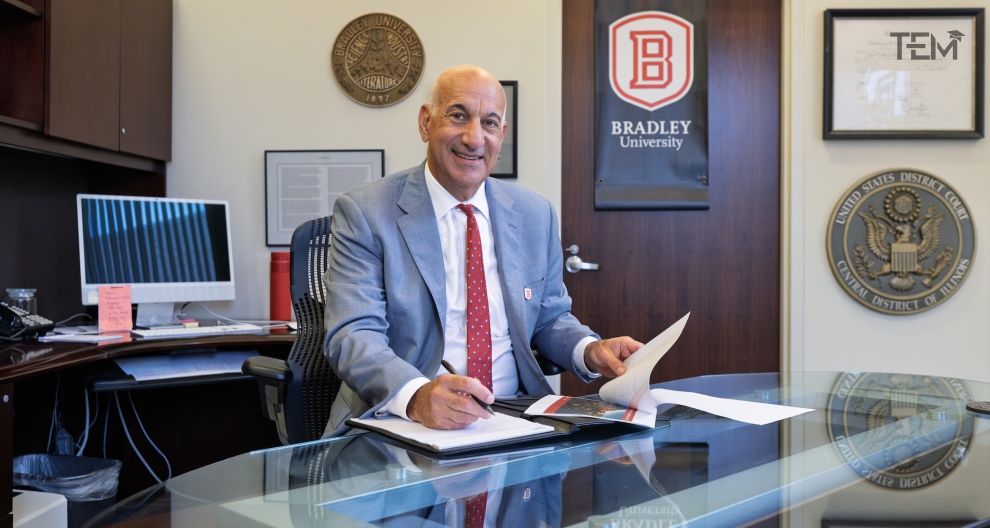
Leadership at Westinghouse carries a clear belief. Creativity is not a side path. It is central to how students grow, think, and see themselves. Dr. Anne Clark, Chief School Administrator at Westinghouse, often brings that idea back to something personal. Her own journey began in a school cafeteria, far from a leadership office. That path shaped how she sees access and possibility inside a school.
“My message to students and families is simple,” she says. “This is a place where your creativity matters.” For her, the arts do more than teach technique. They build discipline, confidence, and a sense of voice. When students are given both strong academics and space to create, she believes they begin to see a future that once felt out of reach.
Redefining What Success Looks Like
At WAA, excellence is not measured by test scores alone. It takes shape in how students think, create, and apply what they learn. A strong student here is not only academically capable but also willing to take creative risks and follow ideas through to completion.
The school’s priorities reflect that balance. Academic growth sits alongside artistic development. Engagement and attendance matter because they signal connection. School culture is shaped with equal care, built on creativity and mutual respect.
Success, then, shows up in more than numbers. It appears in a finished performance, a curated exhibition, or a student project that carries both skill and personal voice. These outcomes offer a fuller picture of learning, one that values both mastery and expression.
Learning That Meets Students Where They Are
Inside the school, the arts often become the doorway through which students begin to engage more deeply with school. Not every student connects first with a textbook. Some find their footing on a stage, behind a camera, or through a sketch. That entry point matters.
To support that range of learners, the school uses a Multi-Tiered System of Support along with dedicated student services. These structures help ensure that each student, regardless of background or ability, can access both strong academics and meaningful arts experiences.
The impact goes beyond skill development. Creative work gives students space to express identity, culture, and personal perspective. In doing so, the classroom becomes more inclusive, and learning begins to feel relevant in a way that students can see and feel every day.
Extending the Classroom Into the City
A strong arts education rarely grows in isolation. It needs exposure, collaboration, and a connection to people who are actively shaping the field. That idea sits at the center of how Westinghouse Arts Academy approaches partnerships. The school works closely with local artists, arts organizations, and industry professionals to expand what students can access. These relationships bring real-world context into the learning process, allowing students to see how creative work lives beyond assignments and classrooms.
Across the Pittsburgh arts community, students find opportunities to attend performances, learn through mentorship, and step into professional spaces. Over time, those experiences begin to shape both skill and perspective. The exchange runs both ways. Students contribute fresh ideas and energy, while the community offers guidance and experience, strengthening a shared creative ecosystem.
Where Student Life Takes the Stage
Walk through the building on any given day, and it feels less like a typical school and more like a working creative space. Rehearsals spill into hallways, studio work fills classrooms, and somewhere, something is always being prepared for an audience. That rhythm shapes daily life at Westinghouse.
Students take part in school-wide productions, exhibitions, and performances that ask them to step forward and present their work. Whether it is a stage show, an art installation, or a digital project, the expectation is the same. Create something real and share it.
These experiences do more than showcase talent. They build confidence, encourage collaboration, and teach students how to work toward a final outcome. Over time, students begin to trust their voice, not just in their art, but in how they carry themselves beyond it.
Opening Doors Through the Arts
Access often decides who gets to explore the arts and who does not. For many students, talent is not the barrier. Opportunity is. That reality shapes how the school approaches equity and inclusion. Every student, regardless of background, deserves access to high-quality arts programming. This is not treated as an ideal. It is built into how the school functions each day.
Efforts to remove barriers take different forms. Some students need academic support to stay on track. Others benefit from access to materials, guidance, or structured opportunities to participate. Programs are designed to meet those needs so that no student is left watching from the sidelines.
The impact reaches beyond skill-building. When students are given space to create, they begin to share parts of themselves that might otherwise remain hidden. Identity, culture, and personal experience find expression through their work. In that environment, students are not only taught. They are seen, heard, and valued in ways that shape how they view themselves and their place in the world.
Aligned by Design
Strong schools rarely run on isolated teams. They depend on alignment, especially when the goal is to balance rigorous academics with serious arts training. That balance has shaped how Westinghouse Arts Academy organizes its leadership.
The structure brings together several key areas that work in close coordination. Academic leadership focuses on curriculum and student progress. Arts department leaders guide each discipline, ensuring that training remains focused and intentional. Student services teams support learners across different needs, while operations and safety staff keep the environment steady and secure.
Oversight sits with the Chief School Administrator, whose role is to keep these moving parts connected rather than separate. This approach avoids silos. Decisions are made with a shared purpose in mind, allowing the arts to remain fully integrated into the school’s direction instead of existing on the margins.
Support That Extends Beyond the Classroom
A student’s growth rarely follows a straight line. It moves through moments of progress, doubt, discovery, and change. Recognizing that, WAA has built a support system that looks at the whole student, not just grades or performance. School counseling and academic advising form the foundation. Students have access to guidance that helps them stay on track, make informed decisions, and navigate both challenges and opportunities as they arise.
Beyond that, the school places a strong emphasis on career exploration, particularly within the arts and creative industries. Students begin to understand what their interests could look like in the real world. Conversations shift from “What do you like?” to “Where can this take you?” Mentorship plays a key role in that process. Through connections with artists and working professionals, students gain insight that goes beyond textbooks. They hear real stories, learn practical skills, and begin to see pathways that feel tangible.
Social and emotional support remains just as important. Creative work can be personal, and growth often requires vulnerability. Having systems in place to support that journey helps students build resilience. Taken together, these services create a structure where students are guided, challenged, and supported as they develop both academically and artistically.
Expanding Access, Deepening Impact
The next chapter is less about change in direction and more about building on what already works. For Westinghouse Arts Academy Charter School, the focus now turns to widening access while sharpening the quality of each student’s experience.
One priority is enrollment growth, not as a metric alone, but as a way to reach students who may not yet see the arts as a real option in public education. Expanding access means more young people can step into an environment where creativity is taken seriously.
At the same time, there is a deliberate effort to strengthen pathways into creative fields. Students are guided toward opportunities that connect their interests to real careers, making the transition beyond high school feel less uncertain.
Partnerships will continue to expand, bringing in artists and media professionals who can offer practical insight and exposure. Alongside this, investments in facilities and resources will help match the level of training to the expectations of today’s creative industries.
The direction is clear. Students graduate prepared, not only with academic grounding, but with the confidence and capability to contribute as artists in the world beyond school.
Quote: