Reported by The Education Magazine | 27 January 2026
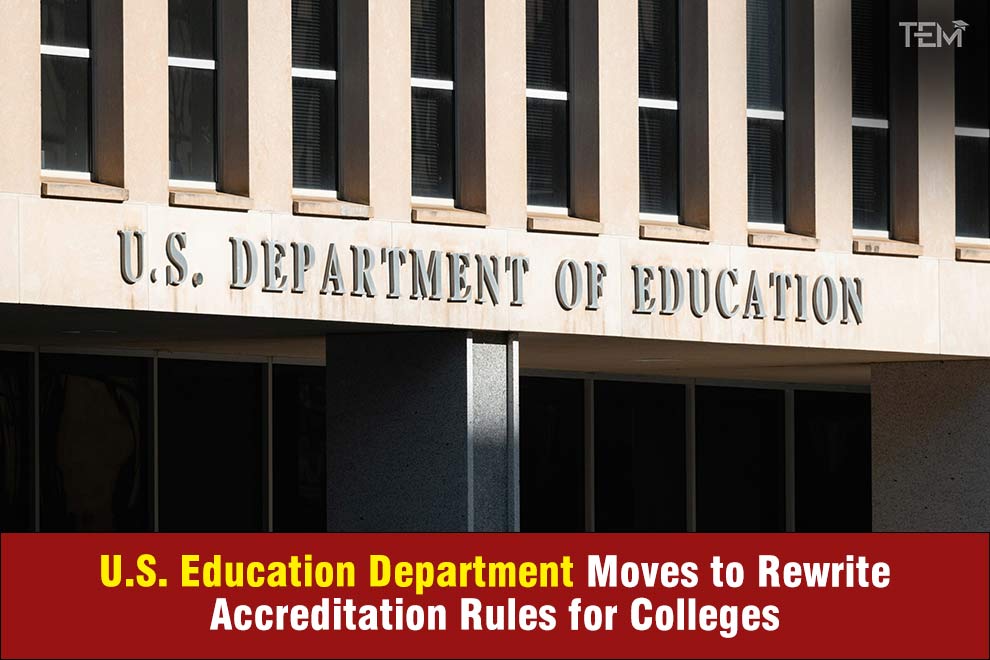
The U.S. Department of Education has announced plans to rewrite federal accreditation regulations, marking one of the most significant shifts in higher education oversight in years.
The move could change how colleges are evaluated, how accrediting agencies are recognized, and how institutions maintain access to federal student aid programs.
According to federal officials, the review will begin through a formal negotiated rulemaking process later this year, with new rules expected to follow.
What the accreditation rule rewrite involves
Accreditation rules govern how colleges and universities are reviewed for quality and accountability. These rules also determine whether institutions can participate in Title IV federal student aid programs, including Pell Grants and federal student loans.
The Education Department said the current regulations are outdated and no longer reflect changes in higher education, enrollment patterns, and workforce demands.
According to the U.S. Department of Education’s official negotiated rulemaking page, the planned review will reassess how accrediting agencies are recognized and how institutional performance is evaluated.
Officials confirmed that the rewrite will focus on:
- How accrediting agencies gain federal recognition
- The standards that accreditors use to evaluate institutions
- The role of outcomes, accountability, and compliance
Negotiated rulemaking to begin in 2026
The Department plans to launch a negotiated rulemaking committee in spring 2026, bringing together representatives from colleges, accrediting agencies, students, and other stakeholders.
These sessions are expected to take place in April and May 2026, where participants will debate and draft proposed regulatory language.
A Federal Register notice on the planned rulemaking process outlines the scope of discussions and the department’s intent to establish a formal committee to guide accreditation reform.
If consensus is reached, the Department could move forward with formal rule proposals later in the year.
Why accreditation rules matter for colleges
Accreditation acts as a gatekeeper for federal funding. Institutions that lose accreditation risk losing access to billions of dollars in student aid.
Education officials have described accreditation as central to maintaining quality and accountability across higher education. Any changes to the rules could affect:
- How institutions are reviewed
- How often evaluations occur
- What standards must colleges meet to remain eligible for aid?
These changes come at a time when rapidly growing areas of the education sector are already reshaping how colleges operate and are held accountable.
Higher education leaders are closely watching the process due to its potential long-term impact.
A policy shift with wider implications
While the rule rewrite applies to the United States, similar debates are taking place globally.
Many countries are reexamining how higher education quality is monitored, especially as online learning expands and enrollment patterns shift. Experts say the U.S. approach could influence education governance and leadership models worldwide, as policymakers look for stronger accountability frameworks.
The focus on modernization and accountability reflects broader global trends in education governance.
What Happens Next
The Education Department is currently seeking nominations for negotiated rulemaking participants. Additional details, including meeting schedules and discussion topics, are expected to be released through official notices.
Any final changes to accreditation rules would take time to implement, but the process now underway signals a major policy direction for U.S. higher education.
FAQs
1. Why is the Education Department rewriting accreditation rules now?
Officials say existing regulations no longer align with current education models, student needs, or institutional accountability standards.
2. Will colleges be affected immediately?
No. Any changes will follow a lengthy rulemaking process, with implementation likely taking place after final regulations are approved.