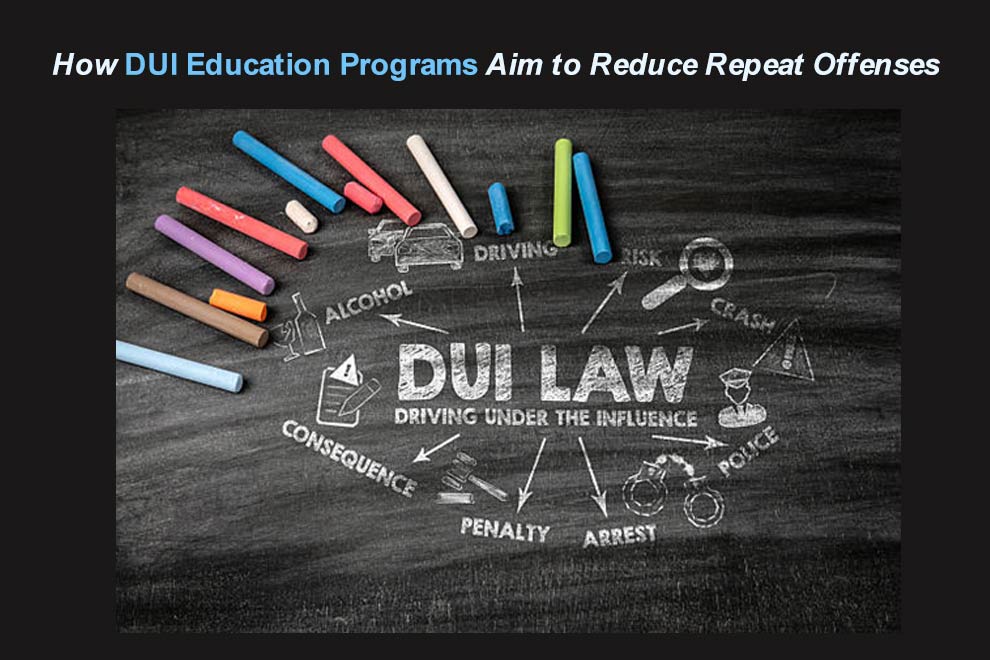
Driving under the influence remains a serious public safety concern throughout the United States. A single DUI conviction can lead to fines, license suspension, increased insurance costs, and even jail time. More importantly, impaired driving places drivers, passengers, and other road users at significant risk.
Many states require DUI offenders to complete educational programs as part of their sentence. These programs focus on helping individuals understand the consequences of impaired driving and encouraging better decision-making in the future.
Courts often order offenders to attend DUI classes because education can play an important role in preventing repeat offenses. By addressing risky behaviors and increasing awareness, these programs aim to reduce the likelihood that individuals will drive under the influence again.
What Are DUI Education Programs?
DUI education programs are structured courses designed to teach participants about alcohol, drugs, impaired driving, and the legal consequences of DUI offenses. The specific requirements vary by state, but most programs include classroom instruction, group discussions, and educational materials.
These courses do more than explain traffic laws. They encourage participants to examine personal choices and understand how substance use affects judgment, reaction time, and overall driving ability.
Many programs also provide information about addiction, treatment resources, and strategies for avoiding future incidents.
Why Courts Require DUI Education
Courts generally view education as an important tool for changing behavior. Punishment alone may not address the reasons why someone chose to drive while impaired.
DUI education programs help participants:
- Understand the dangers of impaired driving
- Learn about state DUI laws
- Recognize signs of substance misuse
- Develop safer decision-making habits
- Reduce the risk of future violations
The goal is not simply to complete a requirement. Instead, the programs aim to encourage long-term behavioral changes that improve public safety.
How These Programs Address Repeat Offenses
Repeat DUI offenses often involve patterns of behavior rather than isolated mistakes. Education programs focus on identifying those patterns and helping participants make different choices.
Many courses encourage self-reflection by discussing real-world consequences, including injuries, fatalities, financial losses, and criminal penalties. Participants often hear examples that illustrate how one poor decision can affect many lives.
As a result, individuals gain a better understanding of the risks associated with driving after consuming alcohol or drugs.
The Role of Personal Accountability
One of the most important lessons taught in DUI programs is personal responsibility. Participants learn that impaired driving is a preventable choice rather than an unavoidable accident.
Instructors often discuss:
- Decision-making before drinking
- Planning safe transportation
- Recognizing impairment
- Understanding legal consequences
- Accepting responsibility for actions
This emphasis on accountability helps participants understand how their choices affect themselves and others.
Understanding the Consequences of a DUI Conviction
Many individuals enter a DUI education program without fully understanding the long-term consequences of a conviction. These programs explain how a DUI can impact multiple areas of life.
Potential consequences may include:
- Criminal penalties
- Driver’s license suspension
- Employment challenges
- Increased insurance premiums
- Professional licensing issues
- Financial hardship
Learning about these consequences often motivates participants to avoid future violations.
How Substance Abuse Education Helps
Some DUI offenses stem from broader issues involving alcohol or drug misuse. DUI education programs frequently include substance abuse awareness components that help participants identify unhealthy behaviors.
Topics may include:
- The effects of alcohol on the brain
- Drug-related impairment
- Warning signs of dependency
- Available treatment options
- Strategies for reducing risk
For some individuals, this information serves as an important first step toward seeking additional support or treatment.
Building Better Decision-Making Skills
Education programs often focus on practical strategies that participants can use in everyday situations. The objective is to help individuals make safer choices before they get behind the wheel.
Common strategies include:
- Using rideshare services
- Designating a sober driver
- Planning transportation in advance
- Staying overnight when necessary
- Avoiding situations that encourage impaired driving
These simple steps can significantly reduce the risk of future DUI incidents.
Do DUI Education Programs Work?
Research has shown that education and intervention programs can help reduce repeat offenses when combined with other measures such as supervision, treatment, and monitoring. While no program can completely eliminate impaired driving, many participants leave with a greater understanding of the risks involved.
Successful programs often combine education with personal accountability and practical prevention strategies. This approach helps participants apply what they learn to real-life situations.
The effectiveness of a program ultimately depends on the individual’s willingness to engage with the material and make meaningful changes.
The Long-Term Benefits of DUI Education
The benefits of DUI education extend beyond satisfying court requirements. Participants often develop a stronger awareness of public safety, personal responsibility, and the consequences of risky behavior.
These programs can help individuals:
- Make safer transportation decisions
- Reduce the likelihood of future arrests
- Improve community safety
- Better understand substance-related risks
- Protect themselves and others from harm
When participants apply these lessons in daily life, the positive effects can last long after the course ends.
Key Takeaways
- DUI education programs aim to reduce repeat impaired driving offenses.
- Courts often require these programs as part of DUI sentencing.
- Participants learn about alcohol, drugs, and driving impairment.
- Education programs emphasize personal accountability and responsibility.
- Many courses address substance abuse awareness and prevention.
- Practical decision-making strategies help reduce future risks.
- Understanding the consequences of a DUI can encourage behavior change.
- Effective education programs contribute to safer roads and communities.