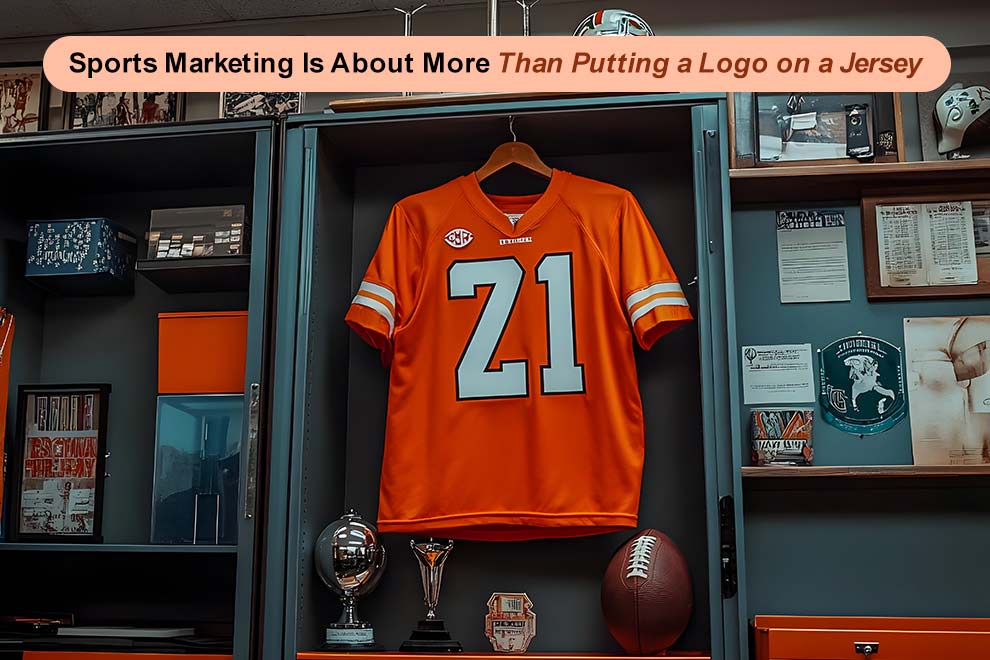
Sports sponsorship used to be relatively straightforward: a company paid for exposure, put its logo on a uniform or sign, and hoped fans noticed. Today, the relationship between sports organizations and brands is much more involved. Successful sports marketing combines branding, digital advertising, sponsorship deals, fan engagement, social media, and carefully planned commercial partnerships.
The key is creating value for both sides. A team needs revenue and stronger connections with its audience, while a sponsor wants access to a specific fan base and a meaningful association with the sport. When those goals overlap, a sponsorship can become much more than an advertising arrangement.
Start With the Right Audience
The first question in any sports marketing campaign should be simple: who are you trying to reach? A brand sponsoring a professional soccer club may be targeting a very different audience than a company partnering with a college basketball program or a local marathon.
Demographics matter, but they are only part of the picture. Marketers also need to understand how fans consume sports, which platforms they use, what teams or athletes they follow, and what motivates them to interact with a brand.
This information can shape everything from the type of sponsorship package a company buys to the content it creates around the partnership. A campaign designed around the actual interests of fans is more likely to generate engagement than one built primarily around visibility.
Sponsorship Deals Need More Than a Big Name
A recognizable team or athlete can attract attention, but a successful sponsorship requires more than name recognition. Both parties need to establish what the partnership is supposed to accomplish and how success will be measured.
A sponsorship agreement might include advertising placements, social media promotions, event appearances, hospitality opportunities, exclusive product categories, or digital content. The contract can also define how the sponsor’s branding may be used and what happens if either party fails to meet its obligations.
For sports administrators, understanding these commercial arrangements is becoming increasingly valuable. Professionals interested in building that broader business knowledge may consider an affordable online sports management master’s degree as one way to study the management principles behind today’s sports industry.
Fan Engagement Makes Partnerships More Valuable
Fans do not necessarily want to be treated as advertising targets. They want experiences, entertainment, and reasons to participate. This is where creative sponsorship activation can make a significant difference.
Instead of simply displaying a company logo, a team might work with a sponsor to create a fan contest, interactive social campaign, exclusive merchandise, or an in-stadium experience. Digital platforms also give brands opportunities to continue the conversation before and after game day.
Athletes can add another layer to these campaigns. Their personal brands and social media followings can give sponsors access to highly engaged communities. When the partnership feels credible and fits the athlete’s public image, the promotional message can feel considerably less intrusive.
Branding Has to Fit the Sport
Not every sponsor is right for every organization. A brand’s identity, reputation, and target market should make sense alongside the team, league, event, or athlete it is supporting.
This is particularly important because sports partnerships can influence how fans perceive both sides. A poorly matched sponsorship may appear forced, while a well-aligned partnership can strengthen brand loyalty.
Consider a company that emphasizes fitness partnering with a major endurance event. The connection is immediately understandable, and the sponsor can demonstrate its products or services in an environment where they are relevant. That kind of alignment gives fans a reason to pay attention beyond simply seeing a logo.
Measuring the Return on a Sponsorship
One of the biggest challenges in sports marketing is determining whether a partnership actually worked. Exposure is easy to count, but exposure alone does not necessarily translate into business results.
Marketing teams may track website traffic, social engagement, audience reach, brand awareness, lead generation, merchandise sales, or promotional-code usage. Depending on the campaign, they may also use surveys to determine whether fans remember the sponsor and associate it with particular qualities.
Clear objectives should be established before a sponsorship begins. Without them, organizations can end up celebrating impressive-looking engagement numbers without knowing whether the campaign generated meaningful commercial value.
Where Sports Marketing Is Headed
The commercial side of sports will continue to change as streaming, social media, data analytics, and direct-to-consumer platforms reshape how fans interact with teams and athletes. Traditional advertising still matters, but brands increasingly want measurable relationships with audiences rather than passive exposure.
That shift creates opportunities for sports professionals who understand both the business and entertainment sides of the industry. Strong marketing requires more than creativity; it requires negotiation skills, financial awareness, audience research, brand strategy, and an understanding of how partnerships work.
Ultimately, the best sports sponsorships do not feel like interruptions to the fan experience. They become part of it. When teams, athletes, and brands understand their audiences and build partnerships around genuine value, everyone has a better reason to stay engaged.