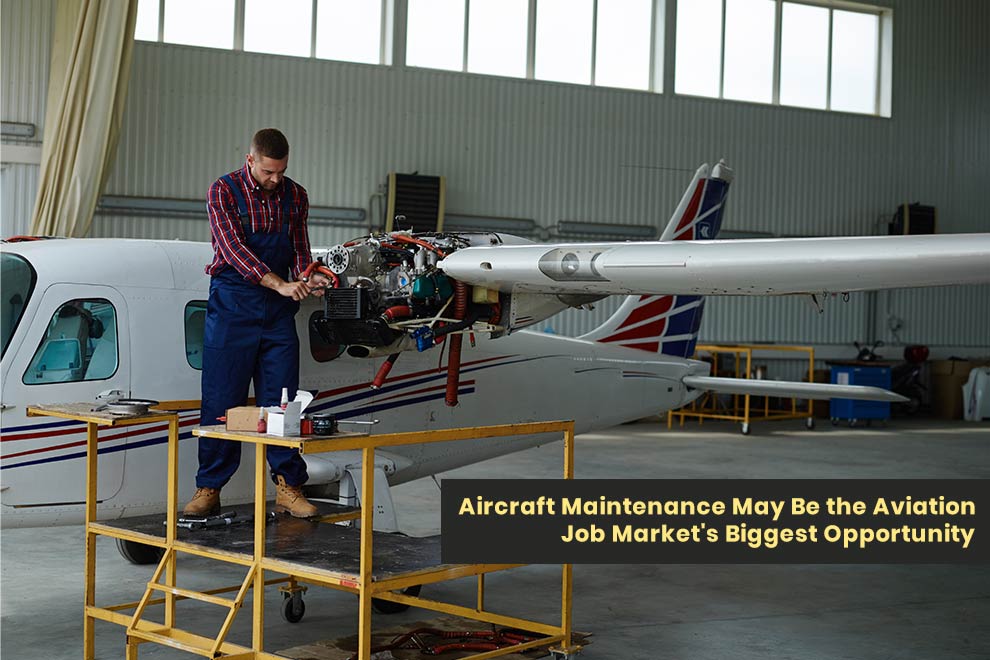
The aviation industry is experiencing a significant labor shortage, yet many professionals overlook one of its most accessible and rewarding career paths: aircraft maintenance. While commercial pilots and air traffic controllers often capture public attention, the skilled technicians who keep aircraft safe and operational are in desperately short supply. This shortage creates a unique window of opportunity for individuals seeking stable employment, competitive compensation, and meaningful work in a growing field.
The Current Labor Shortage in Aviation Maintenance
The demand for aircraft maintenance technicians has reached critical levels across the industry. Airlines, maintenance repair and overhaul (MRO) facilities, and regional carriers are struggling to fill positions as experienced technicians retire faster than new workers enter the field. This demographic shift reflects a broader trend: many veteran mechanics trained decades ago are reaching retirement age simultaneously, creating a significant gap in the workforce.
Several factors have intensified this shortage in recent years. The expansion of commercial aviation post-pandemic increased flight operations, which directly increased maintenance demands. Additionally, many young people remain unaware that aircraft maintenance offers attractive career prospects, leading them to pursue other paths instead. The specialized nature of the work has also created barriers to entry, as proper training and certification require dedication and investment. However, these same barriers that limit competition also protect job security and earning potential for those who do pursue the profession. This combination of high demand and limited supply makes aircraft maintenance one of the most opportune career choices available today.
Educational Pathways and Certification Requirements
Becoming an aircraft maintenance technician requires formal training and federal certification, but the process is well-defined and achievable for motivated individuals. The Federal Aviation Administration (FAA) requires technicians to hold either an Airframe and Powerplant (A&P) certificate or work under the supervision of certified personnel. Most candidates obtain their A&P certification through accredited aviation maintenance technician schools, which typically offer programs ranging from 18 to 24 months in length.
These educational programs combine classroom instruction with hands-on training in actual aircraft maintenance environments. Students learn aircraft systems, troubleshooting procedures, safety protocols, and regulatory compliance. Upon completing their coursework, candidates must pass both written and practical FAA exams to earn their certificate. Many schools offer flexible scheduling, including evening and weekend classes, making it possible for working adults to pursue certification while maintaining current employment. The investment in education pays off quickly, as starting salaries for certified technicians are competitive and increase steadily with experience, and the tangible credential provides clear career progression that many other industries cannot offer.
Employment Opportunities Across Multiple Sectors
Aircraft maintenance technicians work in diverse settings throughout the aviation industry, each offering different benefits and career trajectories. Major commercial airlines employ large teams of maintenance personnel at their hub cities and maintenance bases, typically providing comprehensive benefits, union representation, and stable schedules. Regional carriers offer similar opportunities on a smaller scale, sometimes with more flexibility in work schedules and less stringent geographic requirements. Beyond traditional carriers, maintenance repair and overhaul facilities represent a growing employment sector that handles extensive maintenance checks, component repairs, and aircraft modifications for multiple operators.
Contract maintenance work through these specialized facilities offers variety in aircraft types and technical challenges. Military maintenance positions, private aviation operators, and aerospace manufacturers also employ certified technicians across a range of roles. Some technicians eventually transition into supervisory positions, quality control roles, or specialized certifications that command higher compensation. The diversity of employment options means that technicians can find positions matching their lifestyle preferences, geographic location, and technical interests.
Compensation and Long-Term Financial Benefits
Aircraft maintenance technicians enjoy compensation levels that compare favorably with many other skilled trades and professional fields. Entry-level certified technicians typically earn salaries comparable to experienced electricians or plumbers, with significant potential for growth. Experienced technicians at major airlines, particularly those with specialized certifications or supervisory responsibilities, can earn six-figure incomes. Beyond base salary, many positions include comprehensive health insurance, retirement benefits, and paid time off that enhance total compensation.
Overtime opportunities represent another significant advantage of aircraft maintenance work. Airlines operate continuously, requiring maintenance outside standard business hours, so technicians frequently have access to overtime shifts at premium pay rates. Shift differential pay for night, weekend, and holiday work further boosts annual income for those willing to work non-traditional schedules. Job security in this field also translates to long-term financial stability, as airlines and maintenance facilities cannot defer maintenance without regulatory consequences. The specialized skills required protect wages from the compression that occurs in less-restricted labor markets, making aircraft maintenance a compelling choice for individuals seeking durable financial rewards.
Skills Development and Career Growth Potential
The aircraft maintenance field provides exceptional opportunities for continuous skills development and professional advancement. As technicians gain experience with specific aircraft types, they can specialize in areas such as avionics systems, engines, hydraulics, or composite materials, with those specializations commanding premium pay. Additional certifications, such as inspection authorizations or designations in specific aircraft systems, further enhance earning potential and career options. Technicians who perform internal engine inspections rely on quality aircraft borescopes to detect wear, corrosion, and damage without disassembling the engine, enabling faster turnaround times and more accurate maintenance decisions.
Technicians can also transition into supervisory positions, becoming lead mechanics or maintenance planners who oversee other technicians and manage schedules. Some pursue quality assurance roles, ensuring that maintenance procedures meet regulatory standards and company specifications, while others move into technical training instruction to teach the next generation of maintenance professionals. The field additionally offers pathways into engineering support roles, technical documentation, and aircraft modification projects. Unlike many careers where advancement plateaus after initial entry, aircraft maintenance provides continuous opportunities to deepen expertise, increase responsibility, and grow compensation throughout a technician’s career.
Industry Growth and Job Stability Factors
The aviation industry’s long-term trajectory supports sustained demand for maintenance technicians despite economic fluctuations. Commercial air travel remains essential for global business and personal transportation, creating baseline maintenance requirements regardless of economic conditions. Airlines cannot reduce maintenance to cut costs, as safety regulations mandate specific maintenance intervals and procedures, providing job security that many industries cannot match. Fleet expansion and aircraft modernization further support this demand, with airlines continuously upgrading their fleets and requiring technicians trained on modern systems.
The aging of existing aircraft also increases maintenance complexity and frequency, particularly as planes approach the end of their operational lives. Emerging technologies in aircraft systems, composite structures, and propulsion systems create new specialization opportunities for experienced technicians. Regional and emerging market airlines in Asia, Africa, and South America represent growing opportunities as those regions expand air transportation infrastructure. The combination of regulatory mandates, fleet dynamics, and global growth patterns ensures that aircraft maintenance remains a stable, expanding field for decades to come.
Conclusion
Aircraft maintenance represents one of the aviation industry’s most promising career opportunities, combining strong job security, competitive compensation, and clear pathways for professional advancement. The significant shortage of qualified technicians ensures immediate employment prospects and negotiating power for those with proper certifications. The accessible educational pathway through FAA-approved schools makes entry into the profession achievable for motivated individuals from diverse backgrounds. Technicians enjoy multiple employment options across different aviation sectors, allowing flexibility in career choices and geographic preferences. The combination of immediate job demand, long-term industry stability, and financial rewards makes aircraft maintenance an exceptional choice for individuals seeking meaningful work in a growing field. As the aviation industry continues to expand globally, the opportunities for aircraft maintenance technicians will only increase, making this an ideal time to pursue this rewarding career path.
Also Read: 7 Best Degree Programs for Becoming a Pilot in the US (2026)